
News
On February 20, 2026, the Student Scientific Club “Pathophysiology”, together with the Student Scientific Society, organized a panel discussion for 3rd–4th year students of the School of Medicine dedicated to the experimental modeling of pathophysiological processes in animals. The main objective of the event was to enhance students’ research competencies, integrate theoretical knowledge with practical skills, and promote educational and scientific activities aimed at developing the professional competencies of future doctors.
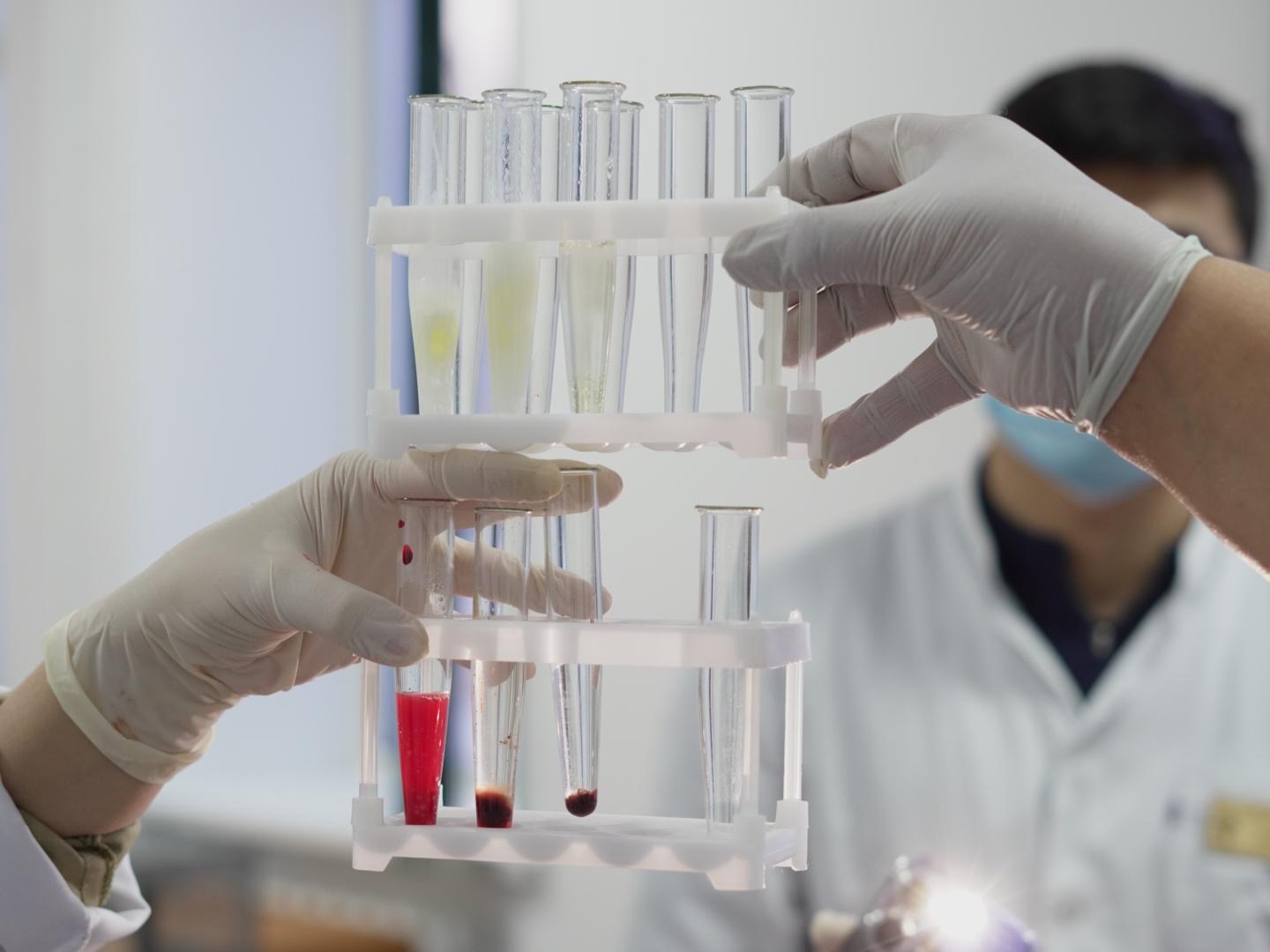
During the practical session, students were introduced to methods of experimental research using laboratory rats and observed the development of certain pathological processes, including the modeling of pulmonary edema and inflammatory reactions. While conducting the experimental work, students applied their knowledge of anatomy, pathoanatomy, biochemistry, physiology, and pathophysiology, thereby improving their ability to analyze scientific data.
A distinctive feature of the event was the use of active learning methods within the Bologna educational system, aimed at developing students’ independent scientific activities, critical thinking, and practical research skills. The experimental format of learning allowed students not only to acquire ready-made knowledge but also to independently analyze scientific challenges and make well-founded decisions. Such approaches are particularly important in modern medical education, as the rapid development of medical science requires a high level of practical and analytical competencies.
The role of artificial intelligence technologies is also increasing in the modern educational process. Although artificial intelligence can quickly process and analyze large volumes of data, it cannot fully replace medical judgment, communication skills, and students’ practical experience. Therefore, the use of artificial intelligence should be considered as a support tool in medical education, while the formation of professional skills must primarily be achieved through experimental and practical training.
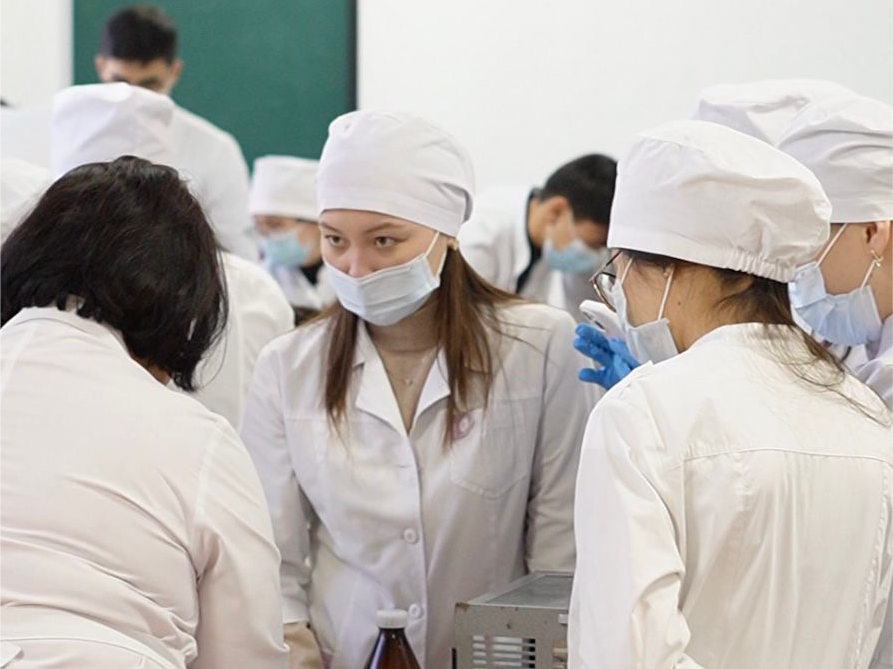
The panel discussion was attended by the Head of the Department, K.E. Mkhitaryan. The event was organized under the supervision of Candidate of Medical Sciences, Professor Kh.R. Abdikadirova. Students noted that the conducted experimental studies contributed to the development of research interest and the formation of ideas for future medical research.
