
History of the University
The history of the university is closely linked to the history of the country's creation. It is the path of becoming a leading university in training specialists for the healthcare sector. Over the years, the university has undergone significant development, and today it is successfully on the course of becoming a world-class research university.
Main Dates
- 1950 – Karaganda State Medical Institute was founded
- 1997 – The institute was transformed into Karaganda State Medical Academy
- 2005 – The university successfully received ISO 9001 NQA-UK (United Kingdom) certification
- 2009 – Received university status
- 2010 – The Magna Charta Universitatum was signed in Bologna, Italy
- 2015 – Joined the European University Association
- 2017 – The university's simulation center was awarded the ASPIRE award for "Excellence in simulation-based healthcare education" by the AMEE accreditation committee
- 2018 – The university was reorganized into a non-profit joint-stock company "Karaganda Medical University" in conjunction with the National Center for Labor Hygiene and Occupational Diseases of the Ministry of Health of the Republic of Kazakhstan
- 2019 – Status of a research university
Chronology

On December 5, 1949, by the decree of the Chairman of the Council of Ministers of the USSR, an order was issued to transfer professors, lecturers, and first-year students from the liquidated Kazan Dental Institute to the Karaganda Medical Institute. On September 1, 1950, the Karaganda Medical Institute opened its doors to its first 127 students. The only medical faculty had 11 departments and 23 lecturers, including 3 doctors and 3 candidates of sciences. In 1952, a postgraduate and residency program was opened. In 1955, the Karaganda Medical Institute completed the full six-year curriculum for the first time and produced its first graduating class of 94 doctors, 15 of whom graduated with honors. In 1957, the Institute received the right to defend candidate dissertations at the Academic Council.
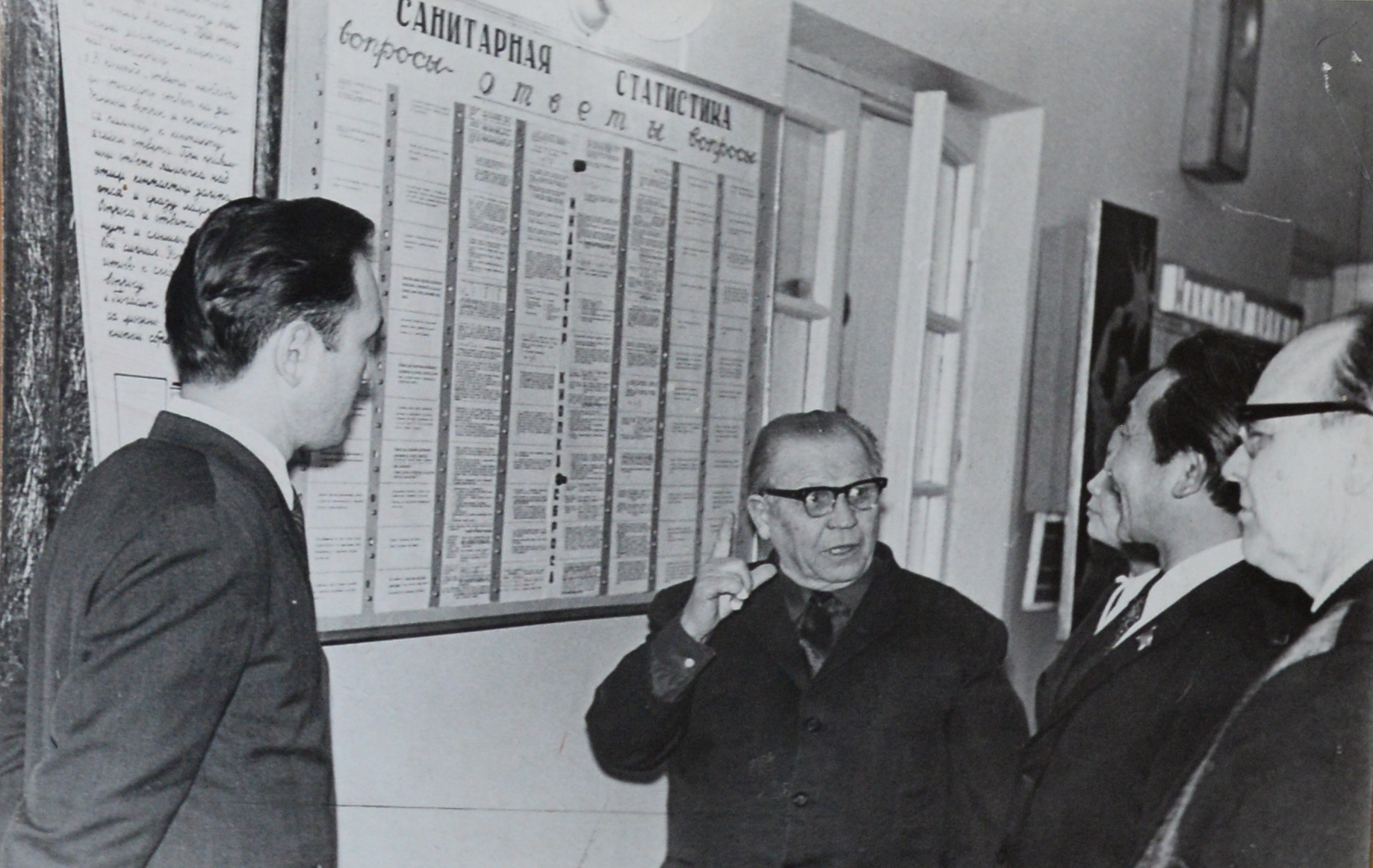
In 1961, the institute was awarded the first category, and a year later, the pediatric faculty was opened. In 1967, a list of scientific specialties was approved: obstetrics and gynecology, human anatomy, internal medicine, pathological physiology, surgery, and biological chemistry, in accordance with which the Academic Council of KarMI was authorized to accept candidate dissertations for defense and to confer the academic degree of candidate of medical sciences. In total, from 1958 to 1972, 186 defenses of dissertations for the degree of candidate of medical sciences and 23 for the degree of doctor of medical sciences were conducted.
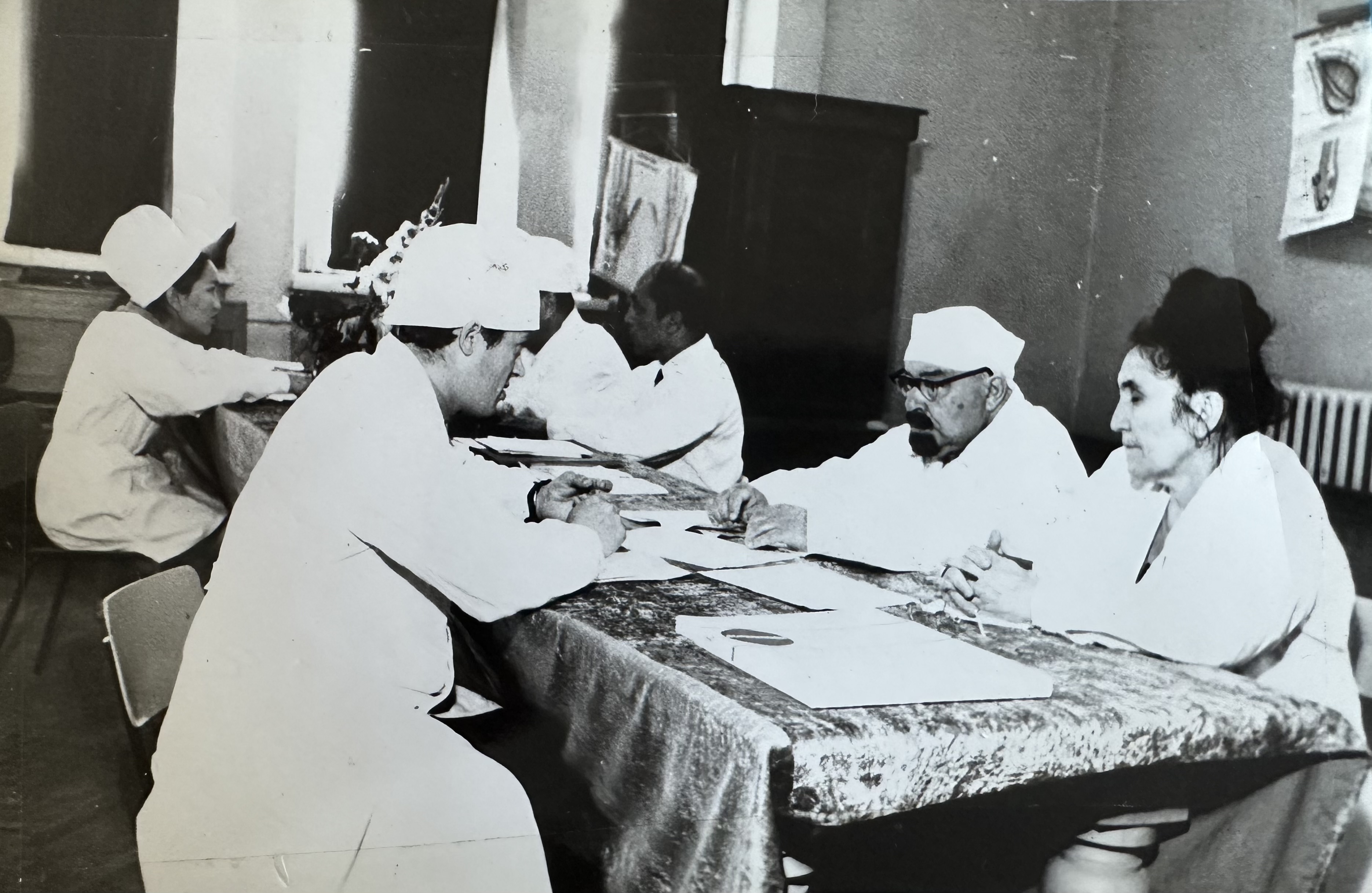
In 1974, a research sector (RS) was established, which, after 2 years, gained a reputation as a reliable partner and highly qualified performer in commissioned scientific and practical themes. In 1978, the dental faculty was opened. The faculty of the Karaganda Medical Institute consisted of highly qualified scientific and pedagogical personnel with academic degrees exceeding the average level throughout the Soviet Union. Several new departments were opened.
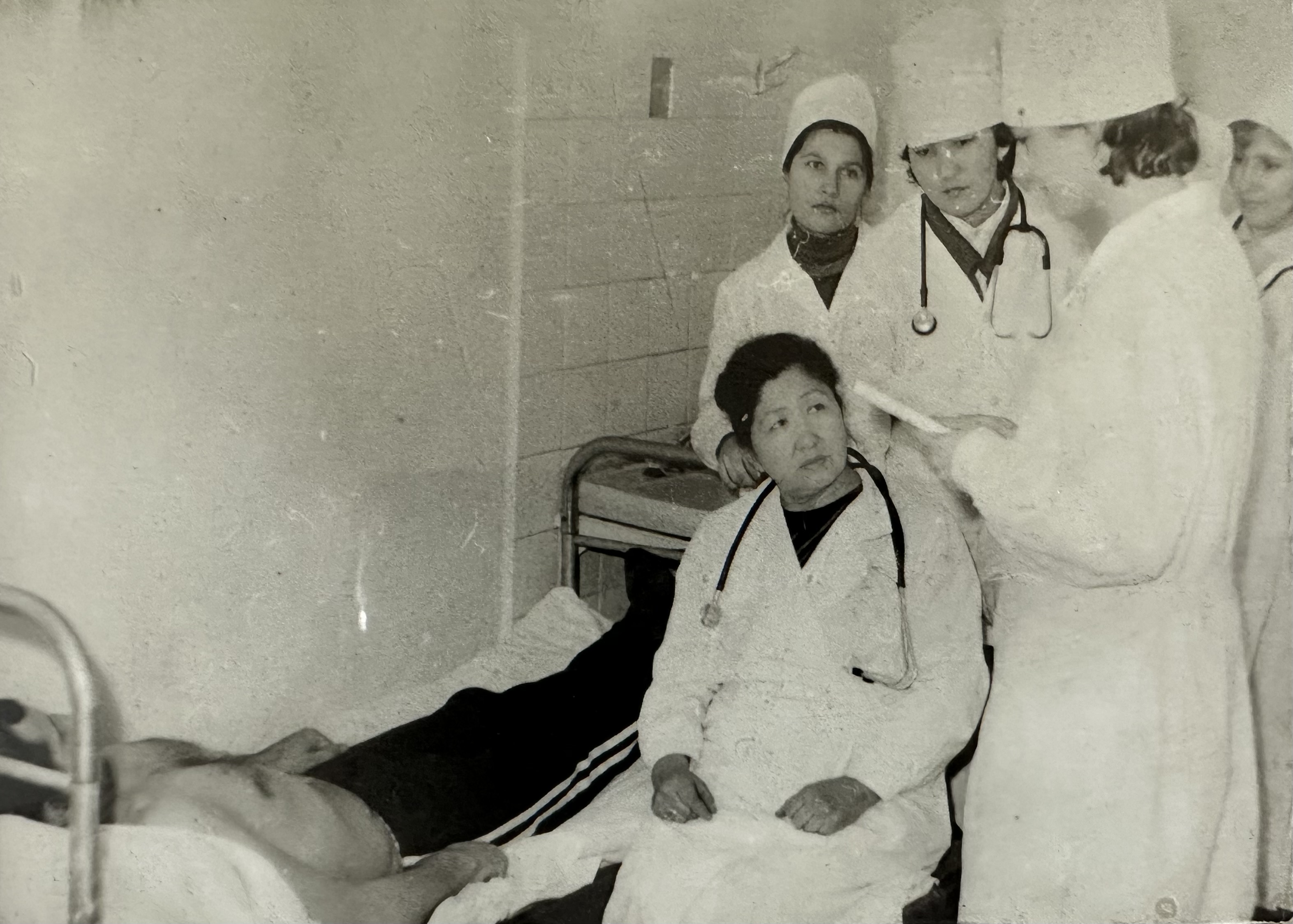
A faculty for training mid-level medical workers was organized. In the All-Union socialist competition among medical and pharmaceutical universities and advanced training institutes for doctors for 1985 and the XI five-year plan as a whole, the Karaganda State Medical Institute was awarded second place among medical universities in the USSR. For these achievements, a Diploma from the Ministry and a cash prize were awarded.
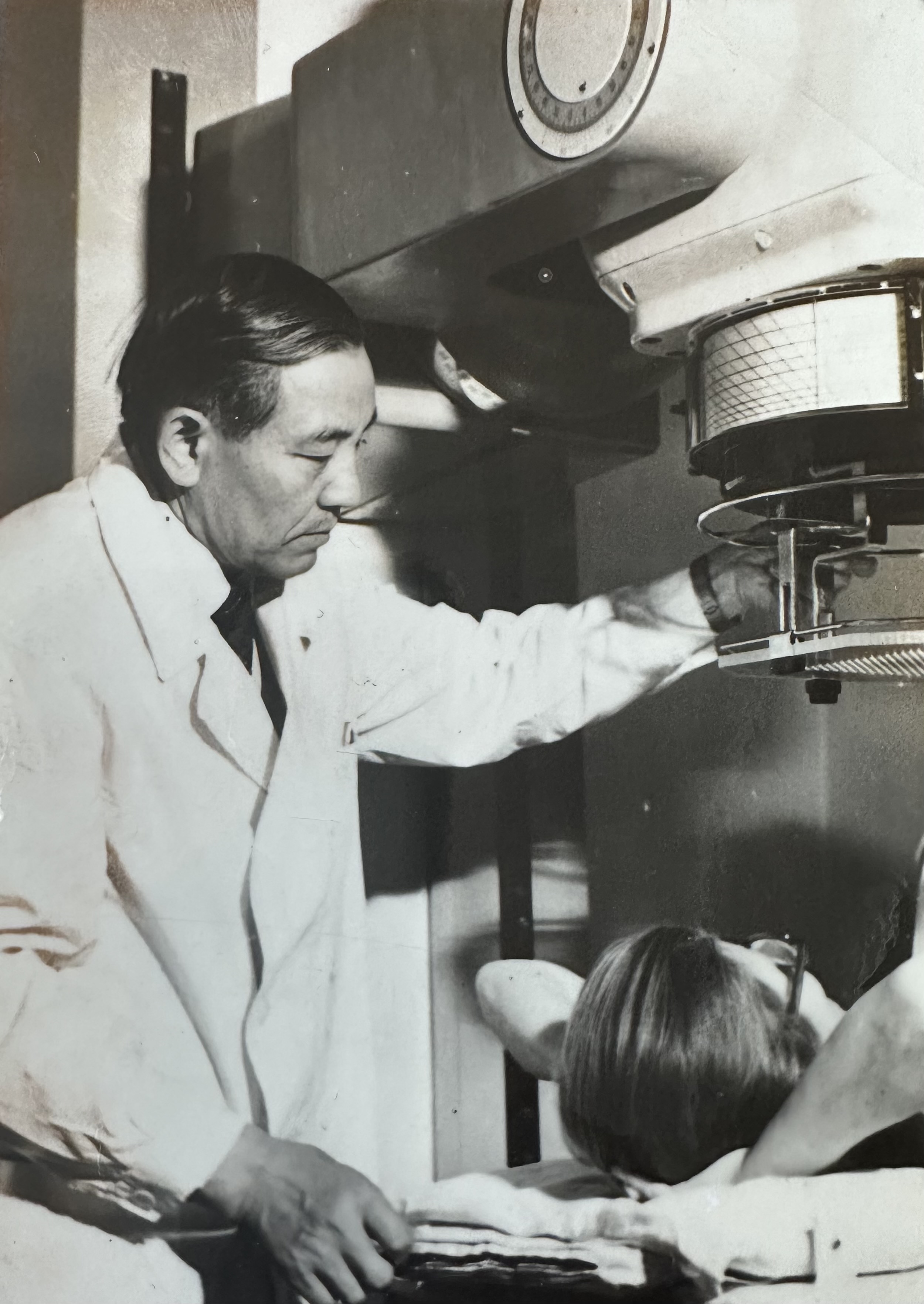
In 1990, a Kazakh department was opened. In 1991, a Research Center was founded. A preparatory department for foreign citizens and a general medical faculty were established as a single level of theoretical training for students of the therapeutic, pediatric, and sanitary-hygienic faculties. In 1992, a medical-biological faculty was opened, and an information-computing center (ICC) was organized based on the department of programmatic and technical training aids. In 1993, a faculty for the advanced training of doctors and mid-level medical workers began functioning at the institute. In 1997, the Karaganda State Medical Institute was transformed into the Karaganda State Medical Academy. In 1999, an international cooperation department was created based on the dean's office for foreign citizens to train foreign students.
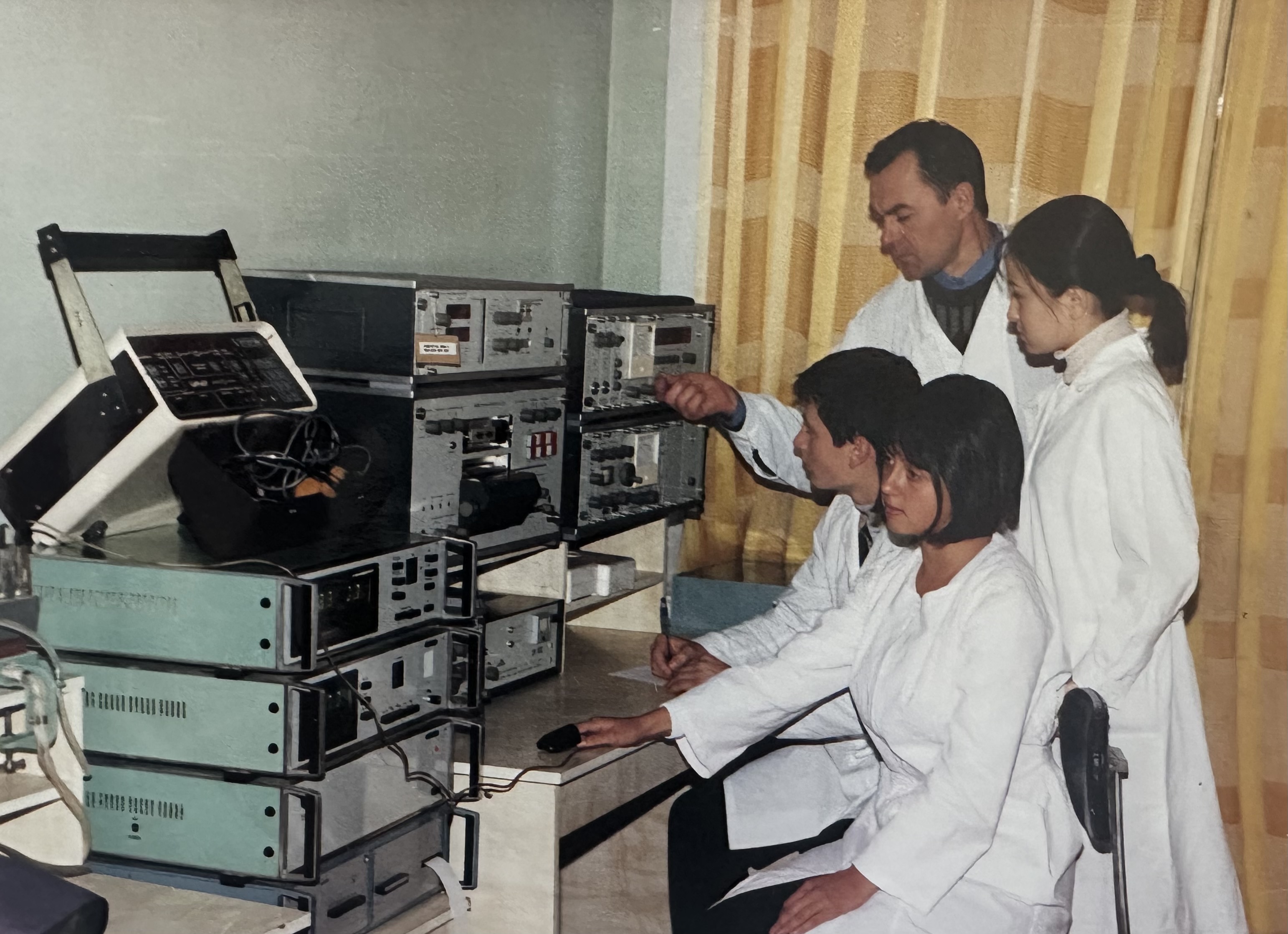
In 2001, an English department for foreign students was opened. In 2002, the pharmaceutical faculty, the faculty of eastern medicine, and a medical college were established. In 2002, the university received a license to carry out medical activities. A dental clinic was opened. In the same year, students gained access to medical services at the student polyclinic. The first university-based educational and clinical laboratory in the Republic began functioning. In 2005, the university was the first in the CIS to pass certification for the quality management system by the authorized body NQA-UK, NQA-Russia.
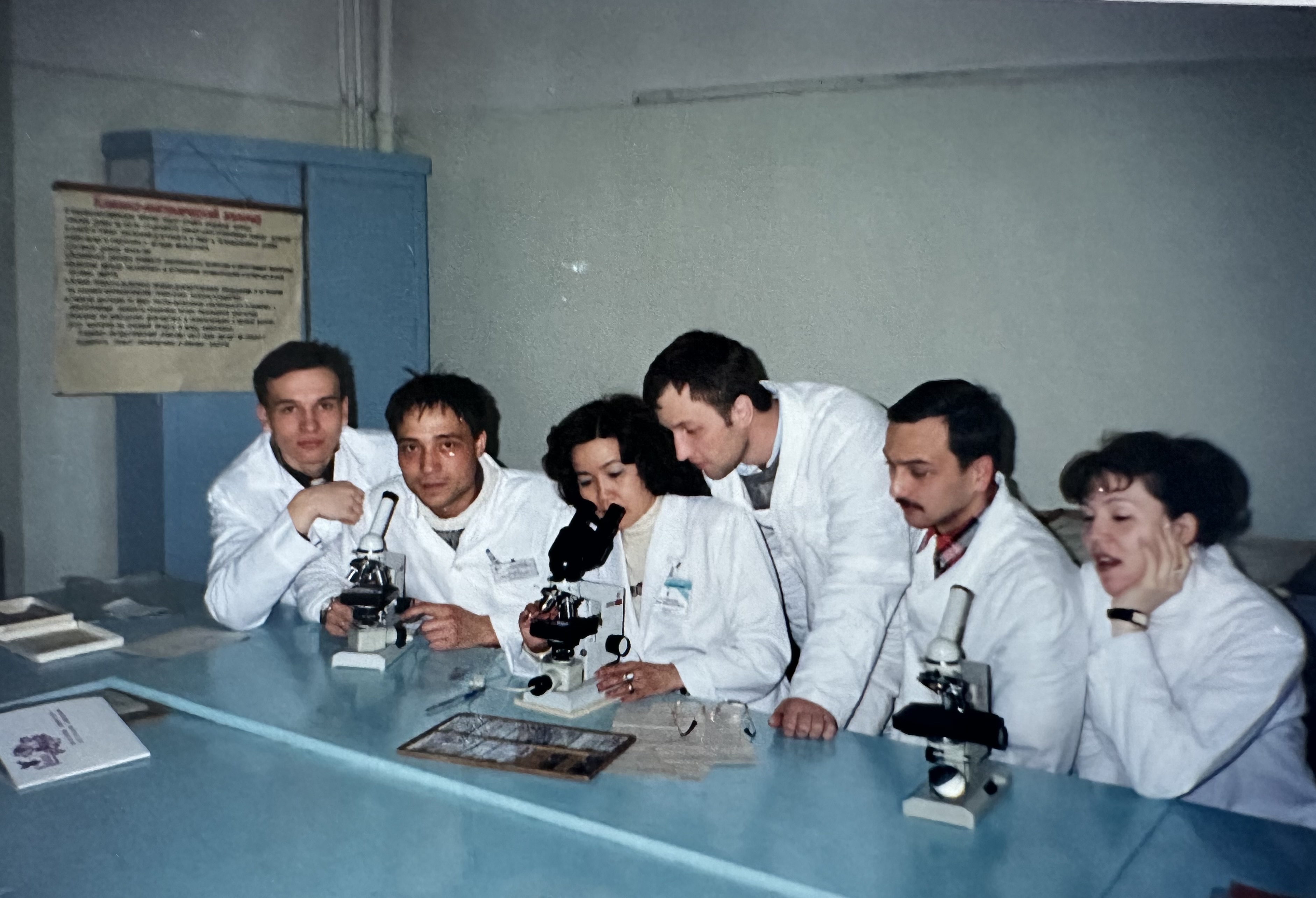
In 2010, the Karaganda State Medical University was recognized as the best medical higher education institution in Kazakhstan according to the NKAOCO ranking, and at the same time, the university successfully passed institutional accreditation. In 2009, "Karaganda State Medical Academy" was renamed to "Karaganda State Medical University." In 2011, the university ranked first among universities in Kazakhstan based on the results of the intermediate state control. In 2011, the university was included in the World Directory of Medical Schools by the World Health Organization (WHO). In 2012, KSMU obtained the right to conduct educational activities in PhD doctoral programs in the specialties of "Medicine," "Public Health," and "Pharmacy." In 2007, KSMU conducted research in the field of medical education for the first time as part of the scientific and technical program "Scientific Support for the Implementation of the Concept of Reforming Medical and Pharmaceutical Education in the Republic of Kazakhstan (2007-2009)." At the same time, the university participated for the first time in the university rankings of the Ministry of Education and Science of the Republic of Kazakhstan and ranked first among medical universities in the country.
In 2016, the first Eurasian patent was obtained from the Eurasian Patent Office for an invention in orthopedics. The Scientific Research Sanitary and Hygienic Laboratory of the KSMU Research Center was accredited for compliance with the requirements of ST RK ISO/IEC17025-2007.
In 2017, KSMU ranked first in the performance indicators of scientific activity among medical universities; second place in the General Institutional Ranking of medical universities in Kazakhstan; and first place in the ranking of educational programs in the specialty of "General Medicine."
KSMU is the only medical university accepted into the Eurasian project for the implementation of entrepreneurial education in universities of Kazakhstan. In 2017, students of the university received the first prize in the "Meikaton" competition among student innovative projects in Kazakhstan.
The university won 3 grants from the European Union under the Erasmus+ program for three projects: “Harmonization and Mutual Recognition of Master's Programs in Occupational Health and Environmental Hygiene,” HARMONEE (2020 – 2023); “Accelerated Development of Nursing Education at the Master's and Doctoral Levels in Higher Education in Kazakhstan,” AccelEd (2020 – 2023); and “Facilitating the Development of the 21st Century Physician: Training in Patient-Centered Communication Skills,” FOR21 (2020 – 2023).
The university's educational programs in 'General Medicine,' 'Dentistry,' and 'Pharmacy' took first place in the rating of the National Chamber of Entrepreneurs 'Atameken.'
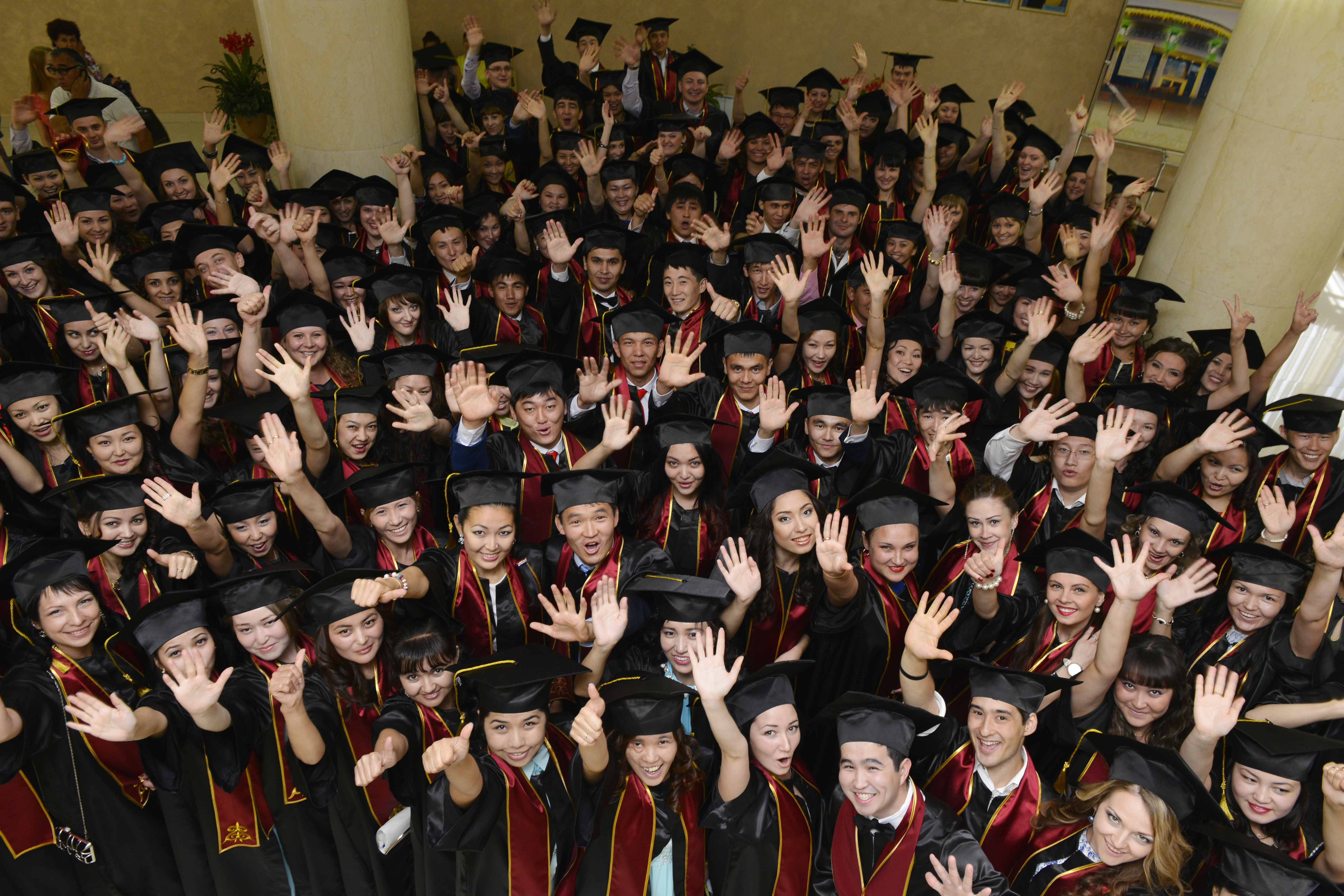
The main certificate of the university is its graduates. More than 33,000 highly qualified doctors are successfully and fruitfully working in all regions of Kazakhstan, as well as in near and far abroad. Today, NPJSC 'KMU' continues to write its history of traditions in quality teaching, the union of education, science, and practice, international recognition, and the constant improvement of training specialists in accordance with modern requirements.
 ANNIVERSARY 2025
