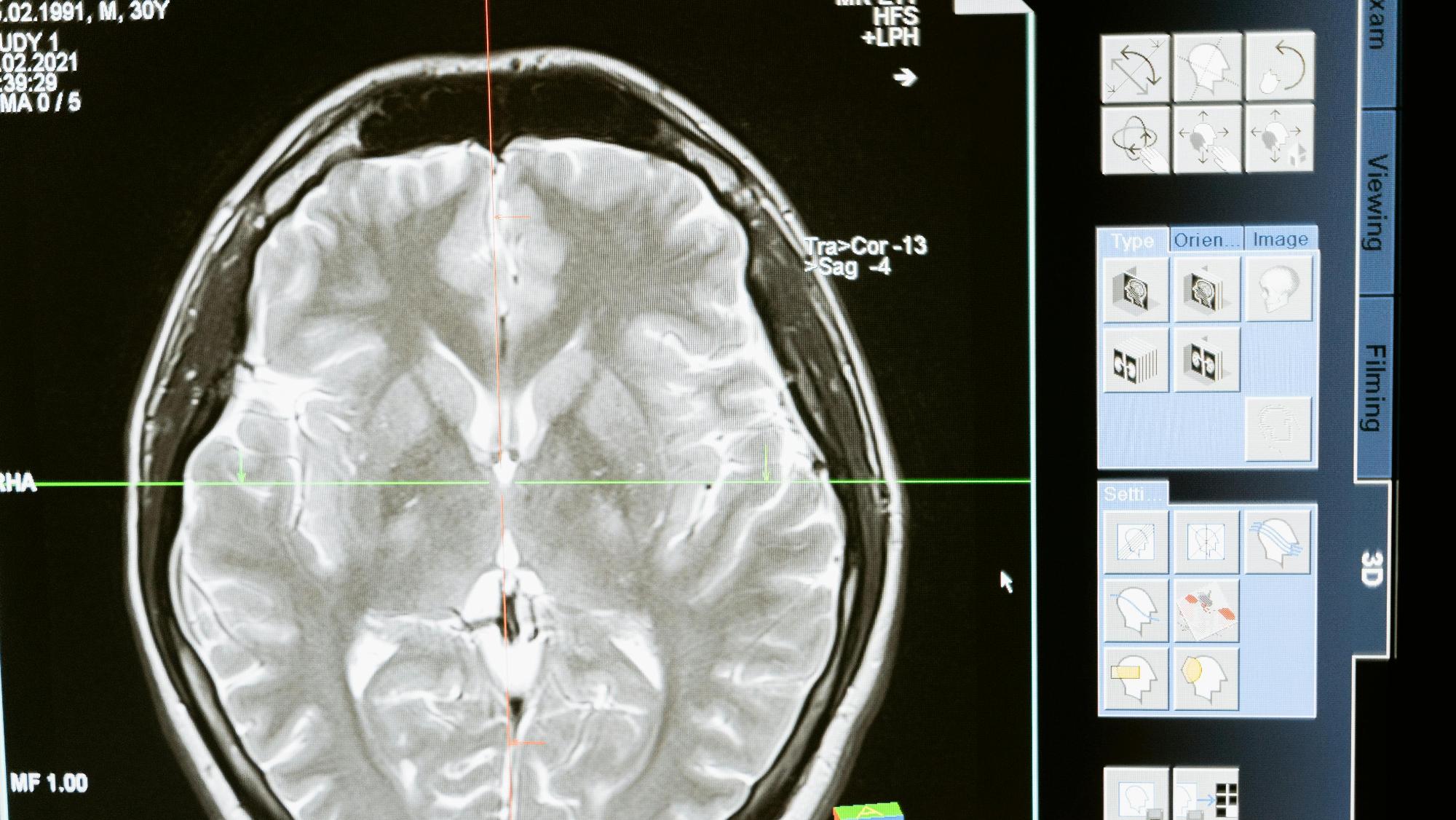
Radiology
Group of educational programs: R014 Radiology
Cipher: 7R01110
Duration of study: 2 years, 140 credits
Admission conditions: availability of higher medical education, internship, or a document indicating the qualification of a "doctor" in the program of higher medical education, a doctor's certificate, an entrance exam according to the Admission Policy of students
Tuition fee for 1 year: 2 000 000 tenge
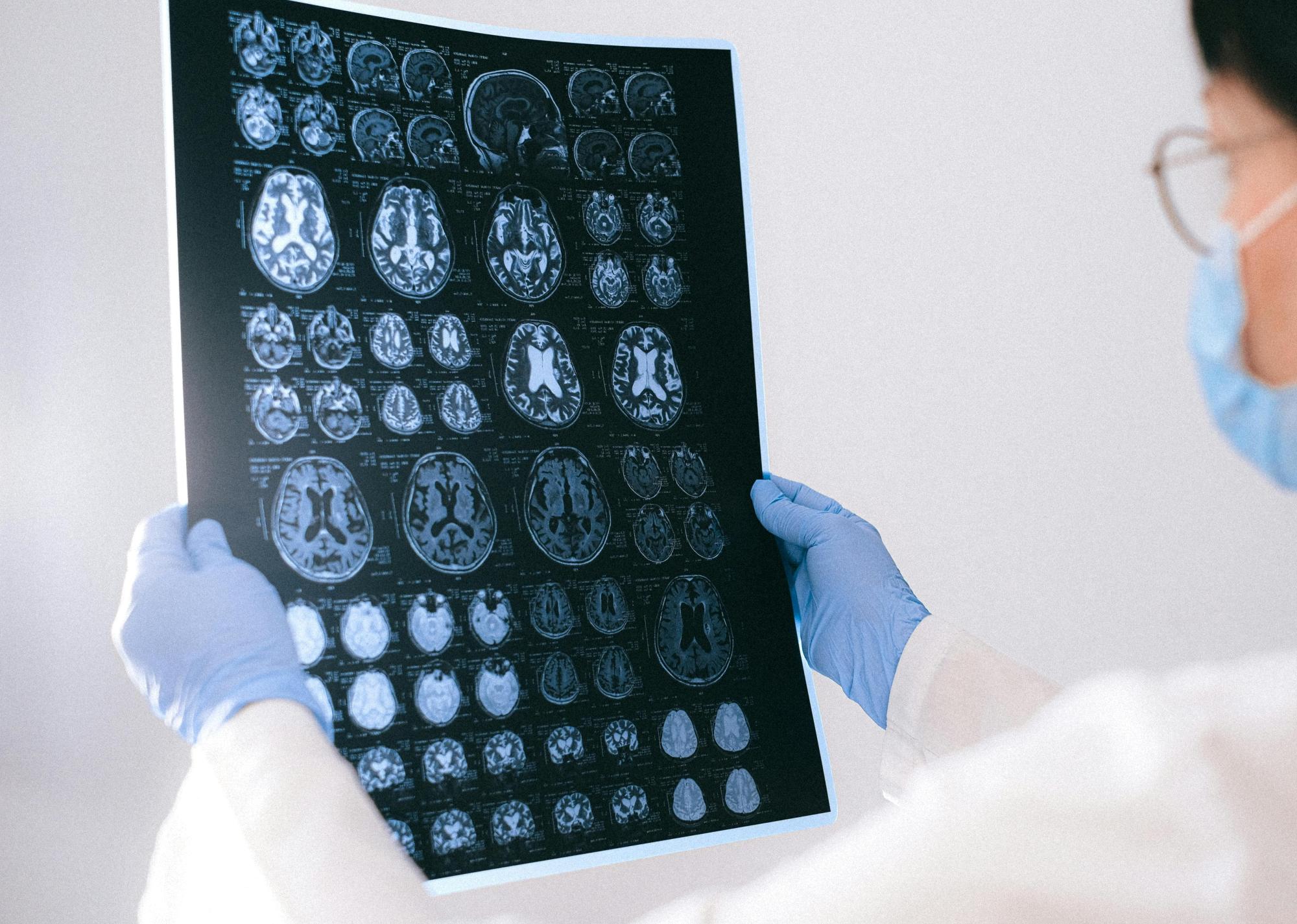

Zholdybaeva Gulfairuz Abylaevna
Head of educational program
 +7 7212 503930, ext.1777
Mission
Training of highly qualified specialists who are able to meet the needs of society in providing medical care to patients, apply and develop advanced innovative technologies in medicine, science and practice, use the achievements of information and communication technologies, strengthen public health.
What will you learn?
1st year
- Organization of radiological services in Kazakhstan, fundamentals of legislation in healthcare;
- Methods of radiological research and diagnostics;
- Fundamentals of radiation diagnostics, methods, safety precautions;
- Radiation diagnostics for diseases of organs and systems;
- Storage and disposal of radiopharmaceuticals.
2nd year
- Effectively use and formalize the research protocol in information systems;
- Radiological care for major emergencies;
- Methods of examination of organs and systems;
- Demonstrate manipulation, and interpret ultrasound (including vascular dopplerography, echocardiography) of various organs and systems;
- To use effectively the available modern technologies to optimize the methods of research of radiation diagnostics of diseases of organs and systems.
Final learning outcomes
- Is able to conduct and interpret radiographs, as well as X-ray examinations (such as irrigoscopy, gastroscopy, densitometry, IV angiography, fistulography, hysterosalpingography, mammography) of various organs and systems in adults and children.
- Demonstrate effective interaction with the patient, his environment, and healthcare professionals, including as part of interdisciplinary and interprofessional teams in order to achieve the best results for the patient.
- Demonstrate X-ray research methods, X-ray semiotics and X-ray diagnostics of diseases of organs and systems of adults and children.
- To use and interpret the results of CT, MRI and nuclear medicine studies, to assess the risks of radionuclide research. Scanning protocols, contrast technologies, scintigraphy. Radionuclide diagnostics of the endocrine, cardiovascular, osteoarticular system, liver and kidney pathology.
- Independently performs and evaluates mammography and interprets the results of X-ray examination of breast diseases and performs differential diagnosis.