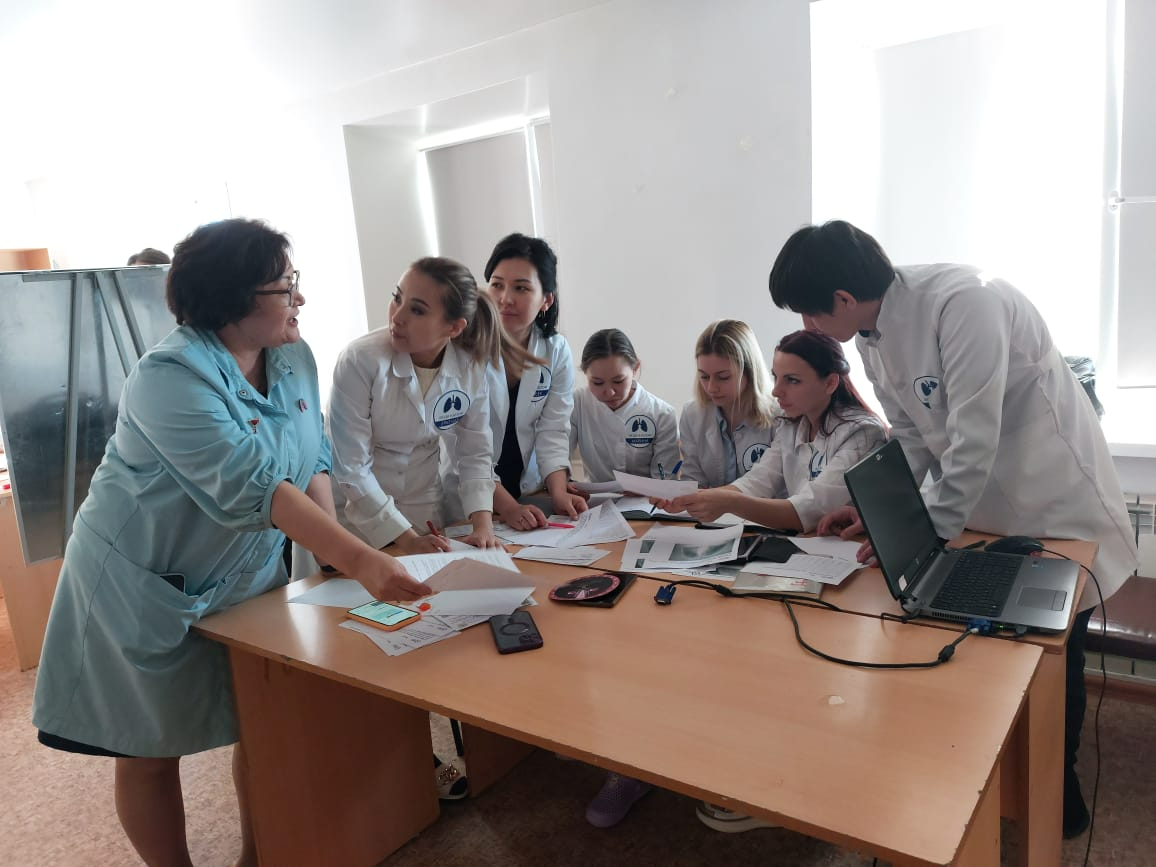
Pulmonology (adults, children)
Group of educational programs: R007 Pulmonology (adults, children)
Cipher: 7R01123
Duration of study: 2 years, 140 credits
Admission conditions: availability of higher medical education, internship, or a document indicating the qualification of a "doctor" in the program of higher medical education, a doctor's certificate, an entrance exam according to the Admission Policy of students
Tuition fee for 1 year: 2 000 000 tenge
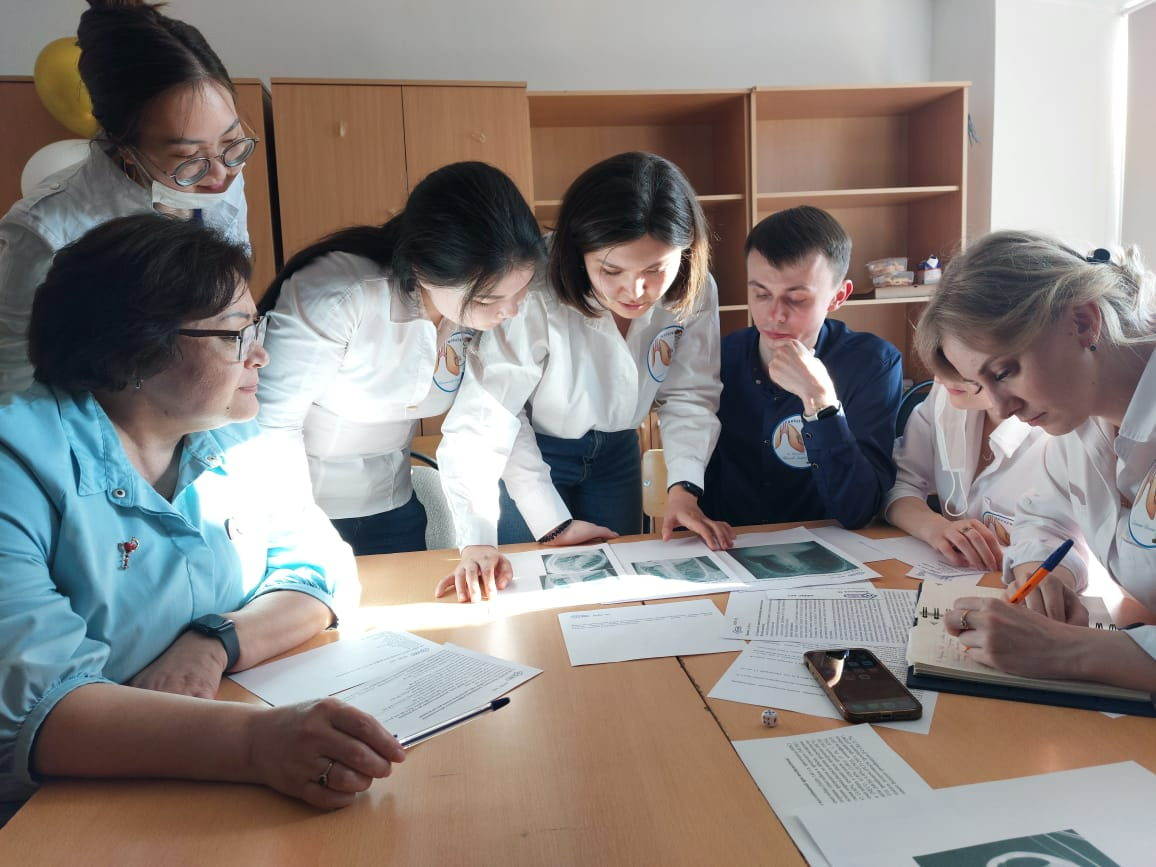
Mission
Training of a highly qualified pulmonologist who is able to meet the needs of society in providing medical care to patients, apply and develop advanced innovative technologies in medicine, science and practice throughout life, and strengthen the health of the population.
What will you learn?
1st year
- The basics of pulmonology;
- Functional diagnostic methods in pulmonology;
- Diagnostic value and interpretation of visual diagnostic methods;
- Pathomorphology of respiratory diseases;
- Verification of the diagnosis and management tactics of adult and pediatric patients with common respiratory diseases at all levels of medical care.
2nd year
- Conducting diagnostic and sanitization endoscopy;
- The basics of phthisio- and oncopulmonology;
- Verification of the diagnosis and management tactics of patients with interstitial diseases;
- Orphan, suppurative, occupational diseases of the respiratory system;
- Anomalies in the development of the bronchopulmonary system;
- Genetically determined respiratory diseases, sleep breathing disorders at all levels of medical care;
- Methods of conducting and principles of respiratory support and pulmonary rehabilitation;
- Diagnosis and emergency care in pediatric and adult pulmonology.
Final learning outcomes
- Demonstrate knowledge of the anatomical and physiological features of the respiratory system; pathogenetic mechanisms of the development of pulmonological diseases with the definition of clinical manifestations and the isolation of syndromes; issues of rational pharmacotherapy and evidence-based medicine of diseases of the pulmonological profile.
- To diagnose and carry out treatment, prevention, medical rehabilitation, dynamic monitoring of adult and pediatric patients with pulmonological pathology at all levels of medical care; to carry out management for the detection of pulmonary tuberculosis and oncological diseases of the respiratory system, to be able to differentiate them with pulmonological diseases.
- To determine indications and select modes of noninvasive respiratory support for patients with pulmonological diseases.
- To carry out functional research methods and interpret their results in pulmonological diseases.
- To interpret pathomorphological changes in organs and tissues in various pathological processes.
- To determine indications for visual diagnostic methods and interpret their results in patients with pulmonological diseases.
- To carry out (assist) basic diagnostic and therapeutic procedures of interventional pulmonology, interpret the results of interventional diagnostic methods; provide qualified medical care for urgent and life-threatening conditions.