
Pediatric Ophthalmology
Group of educational programs: R027 Ophthalmology for adults, children
Cipher: 7R01142 — Pediatric Ophthalmology
Duration of study: 2 years, 140 credits
Admission conditions: possession of a higher medical education degree, completion of internship, or possession of a document confirming the qualification of “physician” under a higher medical education program; a valid physician certificate; successful completion of an entrance examination in accordance with the Student Admission Policy.
 +7 7212 513897, int. 1485
Mission
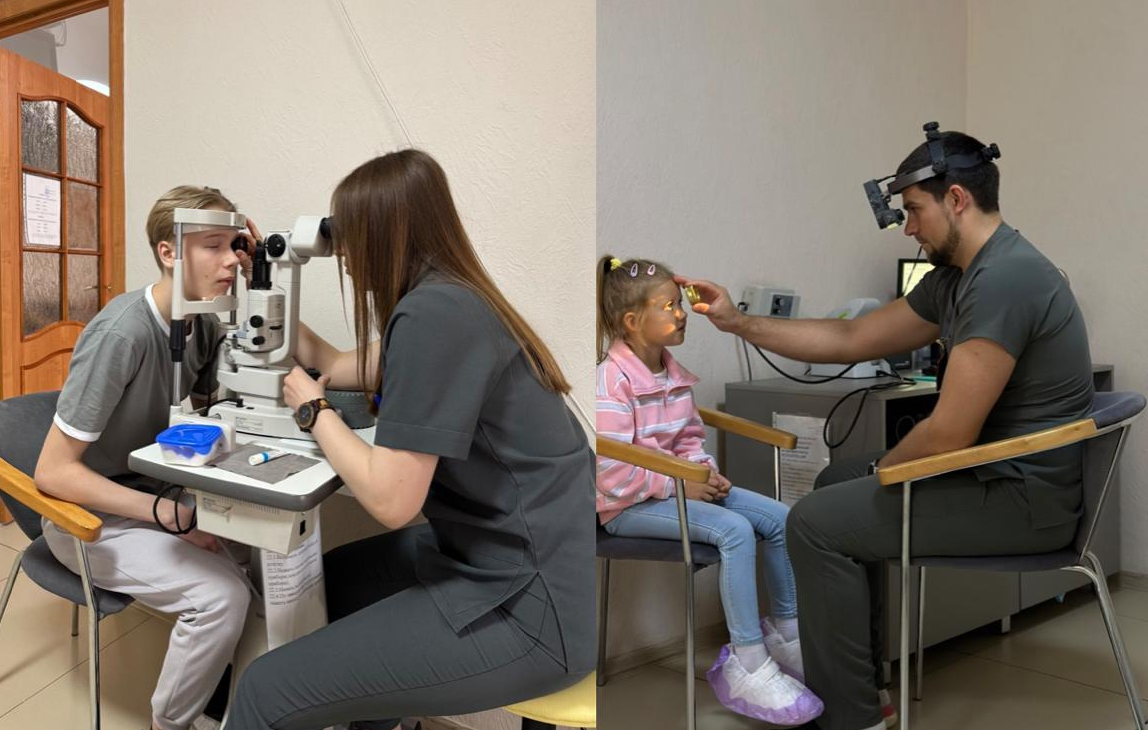
To train a qualified pediatric ophthalmologist capable of providing primary health care and specialized medical care to children with ophthalmological conditions in outpatient and inpatient settings, based on profound theoretical knowledge of the anatomical and physiological characteristics of the pediatric body, principles of evidence-based medicine, and innovative medical technologies.
What will you learn?
- Ophthalmological examination methods for children under 18 years of age;
- Emergency ophthalmopathology of the eyes;
- Diagnostic methods, differential diagnosis;
- Treatment and management tactics of pediatric patients in a hospital setting.
- Special diagnostic methods;
- Differential diagnosis of childhood ophthalmopathology;
- Ophthalmopathology of children at the outpatient level;
- Treatment and management tactics of ophthalmological children in a polyclinic;
- Filling out documentation in a comprehensive medical information system;
- Fundamentals of eye microsurgery.
Final learning outcomes
- Demonstrates the ability to perform ophthalmological diagnostics of eye pathologies in children of various age groups, conduct examinations with subsequent interpretation of the results of specialized diagnostic methods, and prescribe appropriate treatment.
- Demonstrates the ability to interact with the child’s legal representatives or parents and with children, taking into account their psychological characteristics during the diagnostic and treatment processes.
- Ensures confidentiality of patient information, obtains informed consent from relatives of children for various invasive procedures and surgeries, and complies with the rules of medical documentation management and protection of patients’ personal data.
- Develops a diagnostic and outpatient treatment plan for children of various ages with visual organ pathologies; determines the need for specialized diagnostic methods; interprets their results; identifies indications and contraindications for surgical intervention; performs surgical procedures in outpatient and inpatient settings; and demonstrates skills in providing palliative care to pediatric patients.
- Documents patient-related information in accordance with relevant laws, standards, and regulatory legal acts, using integrated medical information systems and digital technologies.
- Conducts independent searches for scientific information in pediatric ophthalmology, applying scientific communication skills based on the principles and methods of medical research, with subsequent implementation in practical activities. Develops the ability for self-assessment of personal knowledge and skills and sets goals for further learning and professional self-improvement.
Employment
Upon successful completion of the educational program, graduates may work in public and private healthcare organizations as pediatric ophthalmologists and obtain the right to private medical practice in accordance with the current regulatory legal acts of the Republic of Kazakhstan.
