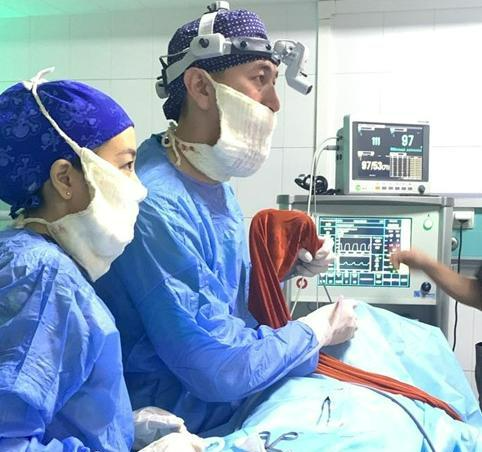
Otorhinolaryngology (adult, children's)
Group of educational programs: R028 Otorhinolaryngology (adult, children's)
Cipher: 7R01118
Duration of study: 3 years, 210 credits
Admission conditions: availability of higher medical education, internship, or a document indicating the qualification of a "doctor" in the program of higher medical education, a doctor's certificate, an entrance exam according to the Admission Policy of students
Tuition fee for 1 year: 2 000 000 tenge
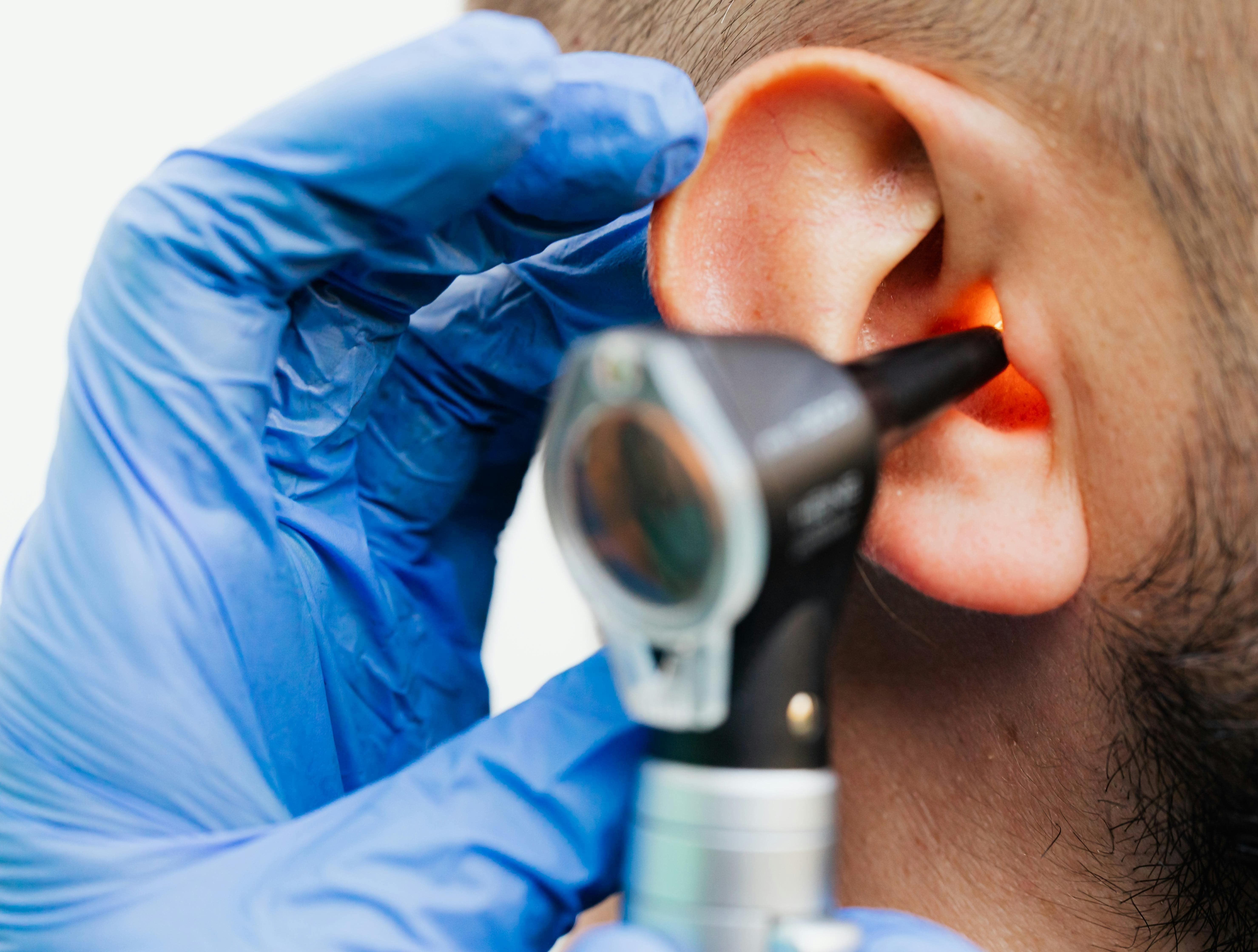

Mission
Training of highly qualified specialists who are able to meet the needs of society in providing medical care to patients with otorhinolaryngological profile, apply and develop advanced innovative technologies in medicine, science and practice, use the achievements of information and communication technologies.
What will you learn?
- Diagnostic methods;
- Differential diagnostics;
- ENT diseases of the outpatient level;
- Treatment and tactics of patient management in a polyclinic.
- Inflammatory diseases;
- Emergency pathology of the ear, nose and throat;
- Methods of diagnosis, differential diagnosis;
- Treatment and tactics of patient management in a hospital setting.
- Sign language, phoniatry;
- Methods of diagnosis, differential diagnosis;
- Fundamentals of endoscopic functional rhinosinusosurgery;
Final learning outcomes
- Demonstrates knowledge in the field of clinical anatomy of the organs of the ear, throat and nose, the physiology of hemostasis, as well as the pathogenesis of diseases of the ENT profile. Maintains medical records in a comprehensive, timely and accurate manner in electronic patient accounting systems.
- Demonstrates knowledge of methods of diagnosis and treatment of acute and chronic ENT diseases, knows the tactics of managing patients with suspected emergency conditions in otorhinolaryngology at the outpatient and inpatient stages.
- Demonstrates compassion, integrity and respect for other people. Demonstrates sensitivity and responsiveness to various patients regardless of gender, age, culture, nationality, and other characteristics.
- Performs duties commensurate with his roles, abilities and qualifications, complies with ethical, confidential obligations, requirements of medical ethics and deontology, and uses feedback in daily practice.
- Demonstrates commitment to ethical principles related to the provision of patient care, confidentiality, informed consent and business practices, including compliance with relevant laws, policies and regulations.
- Demonstrates leadership qualities and self-confidence that improve the work of the team, the learning environment and the medical care system.
- Works effectively in the existing system of medical care related to the clinical specialty, is able to coordinate patient care in the health care system based on the current regulatory framework for medical care.