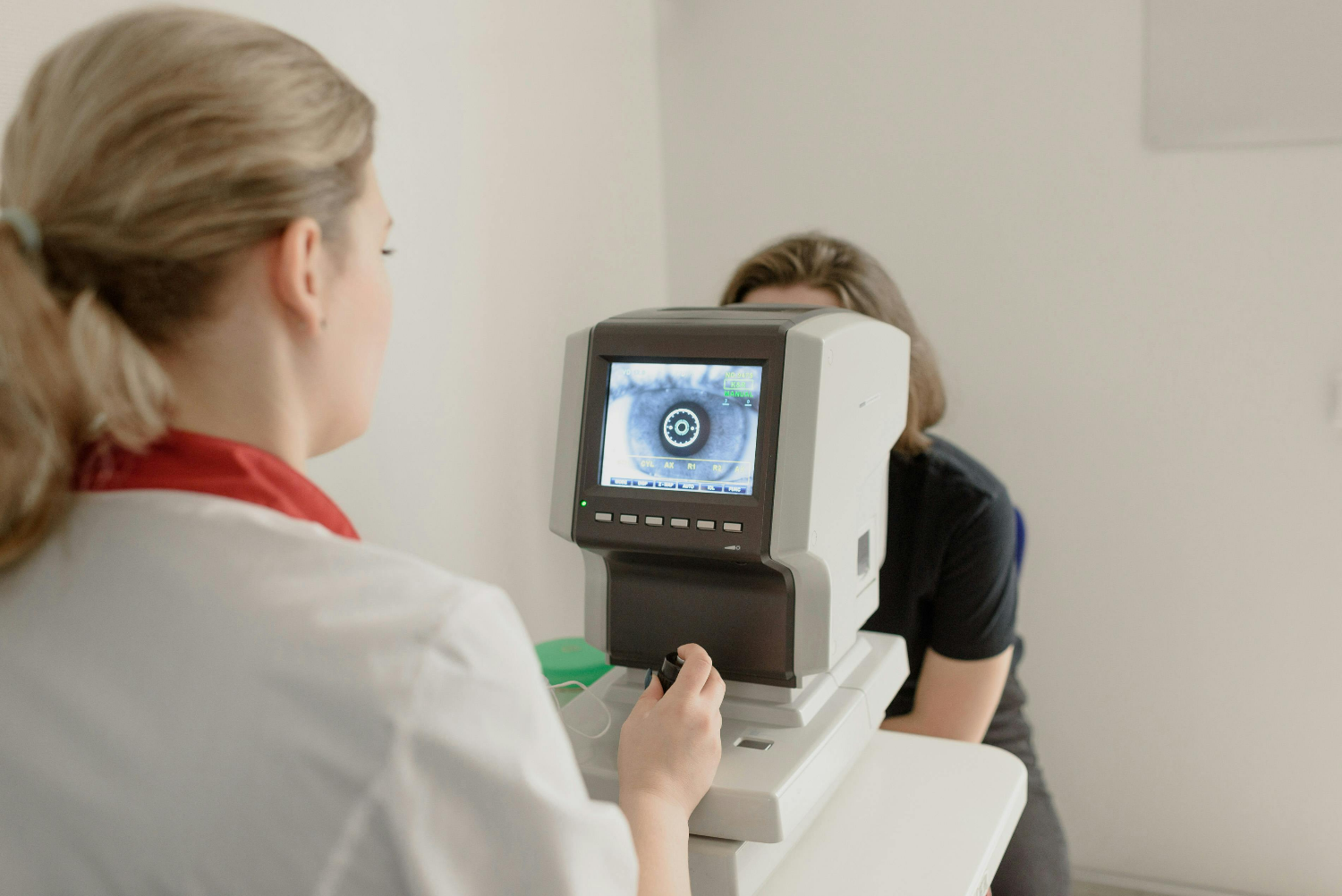
Ophthalmology (adult, children's)
Group of educational programs:R027 Ophthalmology (adult, children's)
Cipher:7R01119
Duration of study: 3 years, 210 credits
Admission conditions:availability of higher medical education, internship, or a document indicating the qualification of a "doctor" in the program of higher medical education, a doctor's certificate, an entrance exam according to the Admission Policy of students
Tuition fee for 1 year: 2 000 000 tenge
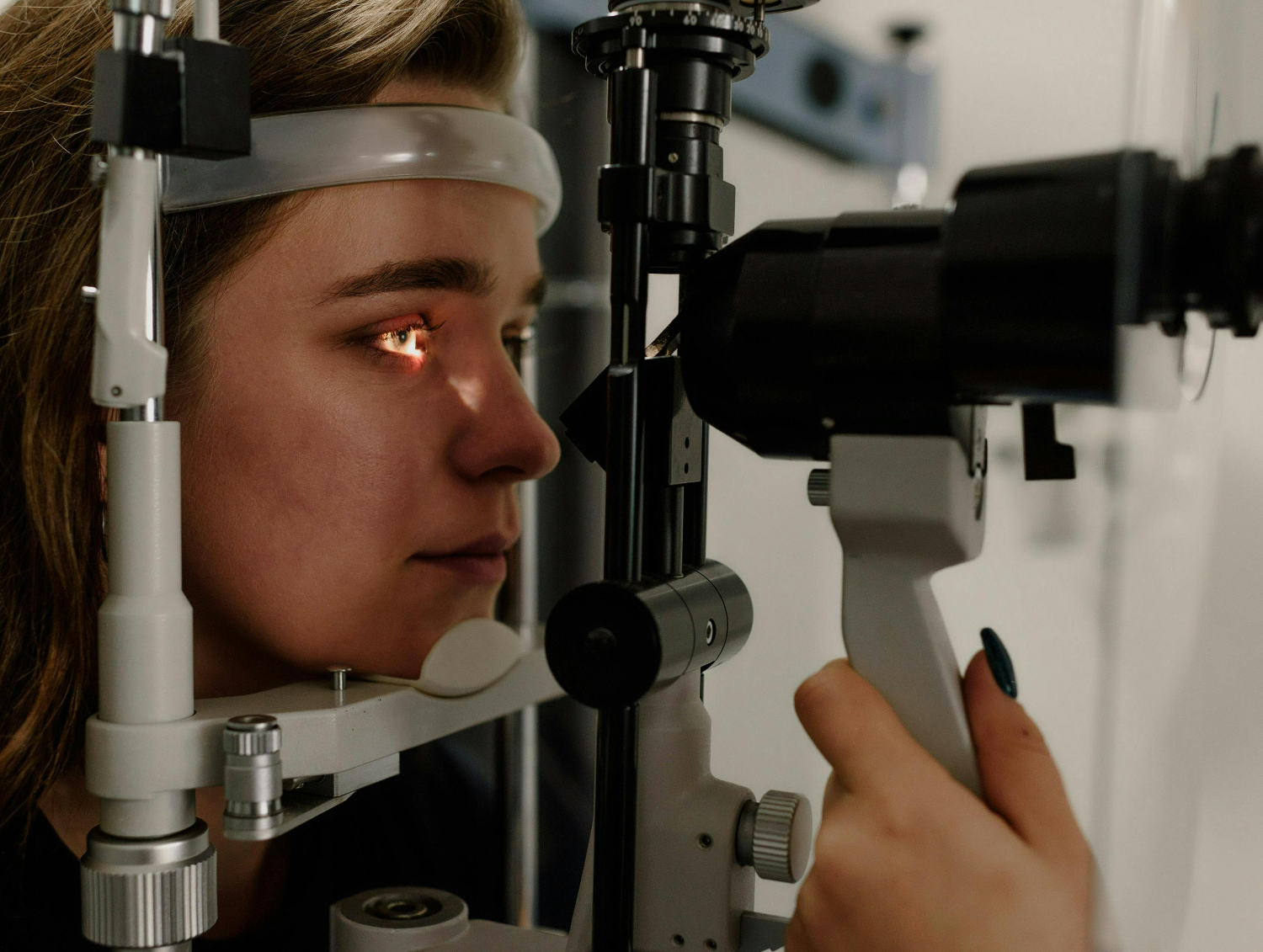
Mission
Training of highly qualified specialists who are able to meet the needs of society in providing medical care to ophthalmic patients, apply and develop advanced innovative technologies in medicine, science and practice, use the achievements of information and communication technologies, strengthen public health. Specialists should be ready to adapt to the changing conditions of the healthcare system at the level of the state and the global community, continue lifelong learning, and contribute to the development of society.
What will you learn?
- Outpatient ophthalmology;
- Examination and treatment of patients with "Red eye" syndrome.
- Examination and treatment of patients with diseases of the lens;
- Pathology of intraocular pressure;
- Vascular diseases of the eyes;
- Blunt trauma and burns to the organ of vision.
- Examination and treatment of patients with orbital pathology;
- Methods of radiation diagnostics;
- Neuro-ophthalmology;
- Medical rehabilitation examination of patients with ophthalmopathology;
- Microsurgery of the eye.
Final learning outcomes
- Demonstrate the skills of conducting an ophthalmological examination, with the identification, description and entry into medical documentation of complaints, anamnestic information, main symptoms and syndromes, differential diagnosis with the presentation of a syndromic and nosological diagnosis, taking into account modern classifications, in patients with eye diseases, including children and adolescents.
- Demonstrate skills in the use of pharmacotherapy in the complex treatment of eye diseases, including in children and adolescents. Demonstrate knowledge of emergency conditions in ophthalmology and methods of their treatment, including in childhood and adolescence.
- Demonstrate professional communication skills with patients, their families, as well as communication with medical staff and colleagues to optimize the therapeutic process and the process of social rehabilitation of patients with eye pathology. Demonstrate knowledge of general and private ophthalmology; apply modern approaches to therapy and social rehabilitation based on the principles of evidence-based medicine in the treatment process at the outpatient and inpatient levels; effectively use information technology in the management of medical records.
- Possess basic concepts, skills in the organization, procedure for appointment and conduct, filling out medical documentation during the examination of work capacity in accordance with the legal norms established in the Republic of Kazakhstan.