
Neurosurgery (adult, children's)
Group of educational programs: R020 Neurosurgery (adult, children's)
Cipher: 7R01113
Duration of study: 4 years, 280 credits
Admission conditions: higher medical education, internship, or a document demonstrating the qualification of the «doctor» under the program of higher medical education, doctor's certificate, entrance exam in accordance with the Admission Policy
Tuition fee for 1 year: 2 000 000 tenge
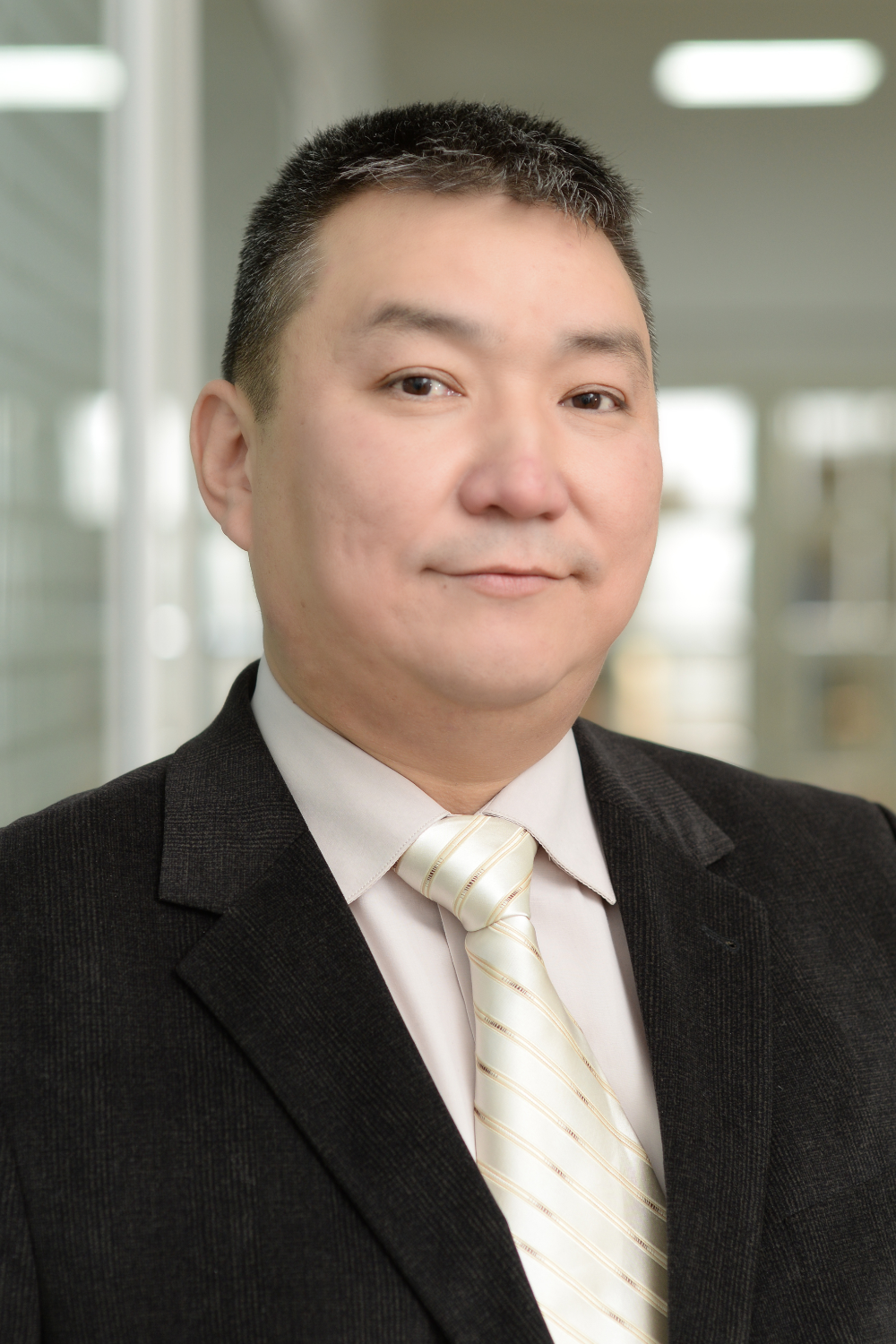
Tuleubayev Berik
Head of educational program
 +7 7212 503930, int. 1467
Mission
Training of qualified, competitive neurosurgeons for adults and children who are able to engage in clinical work, scientific research and continue advanced training, as well as self-development throughout their career.
What will you learn?
1st course
- Maintaining accounting and reporting documentation
- Registration of examinations by a neurosurgeon
- Preparing patients for surgery
- Individualized approach to patients when choosing treatment tactics for patients with neurosurgical diseases
- Diagnose and provide assistance for common and common pathologies
2nd course
- Diagnose and manage patients with neurosurgical problems
- Features of managing patients with severe concomitant diseases (for example: cerebral palsy and other severe damage to the nervous system, patients with chronodialysis, obesity, tumors, etc.)
- Independent performance of minor types of synthesis under the guidance of clinical mentors
3rd course
- Improvement of independent surgical techniques (expansion of independently performed operations)
- Diagnosis and management of patients with complications
- Features of patient management in the late postoperative period during consultations
4th course
- Improvement of independent surgical techniques (expansion of independently performed operations)
- Carrying out high-tech operations
Final learning outcomes
- Conduct a clinical examination for neurosurgical diseases of the brain and spinal cord with knowledge of the topographic anatomy of the brain, spinal cord, central nervous system vessels and peripheral nervous system.
- Prescribe an examination of a patient with neurosurgical disorders based on semiotics and topical diagnostics, symptoms of damage to the cranial nerves and pathways at various levels.
- Demonstrate skills in identifying symptom complexes of lesions of the brain stem and cerebellum, lesions of the cerebral cortex, subcortical ganglia, internal capsule, lesions of peripheral nerves.
- Conduct examinations of patients with neurosurgical pathologies. Comment on the results of ultrasound, MRI, CT, radiographs of the skull.
- Carry out active communication with patients and their relatives, involving them in discussion and participation in the treatment process.
- Assess the risks of possible complications in the treatment of neurosurgical patients.
