
Maxillofacial surgery (adult, children's)
Group of educational programs: R021 Maxillofacial surgery (adult, children's)
Cipher: 7R01130
Duration of study: 3 years 210 credits
Admission conditions: higher medical education, internship, or a document demonstrating the qualification of the «doctor» under the program of higher medical education, doctor's certificate, entrance exam in accordance with the Admission Policy
Tuition fee for 1 year: 2 000 000 tenge
Mission
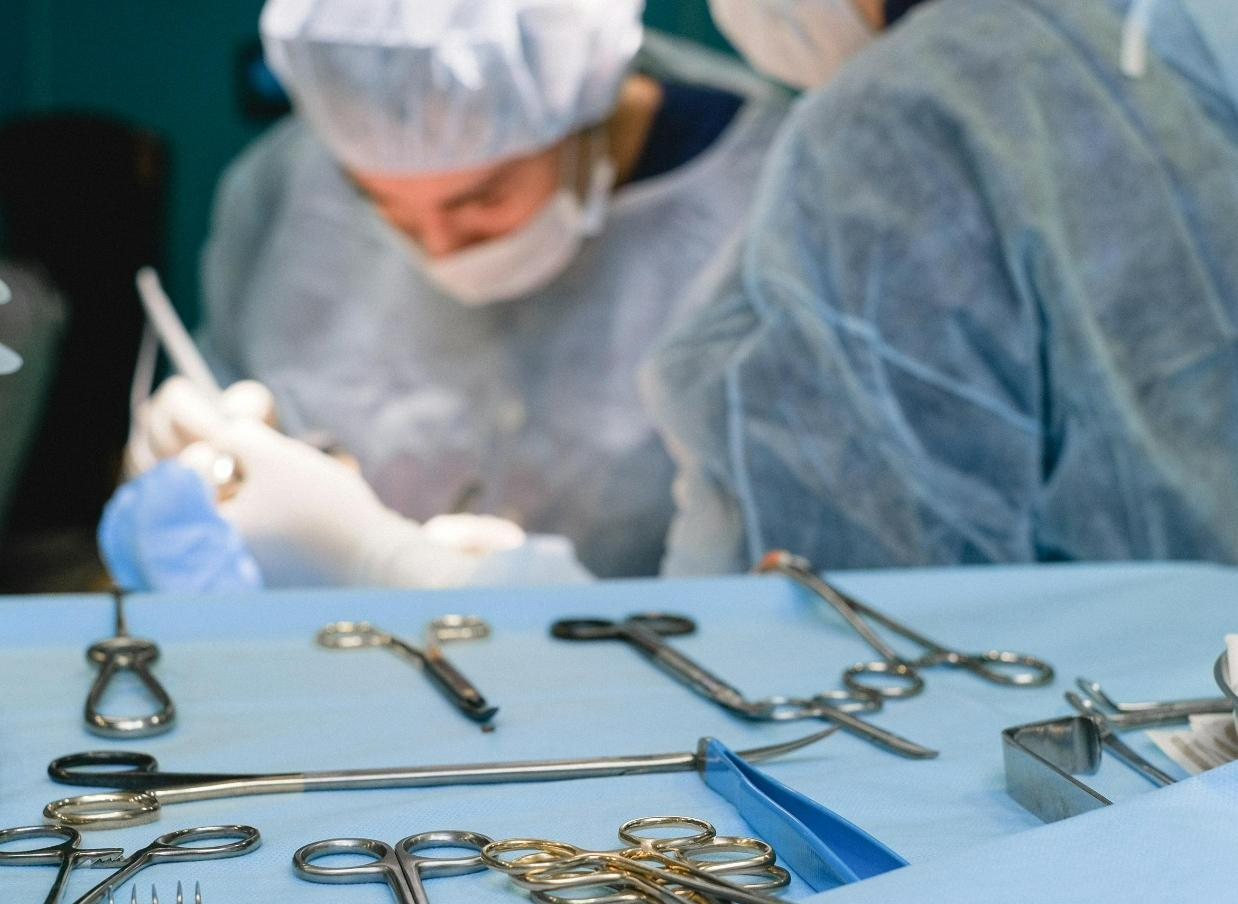
Training of a highly qualified oral and maxillofacial surgeon who is able to apply and implement the acquired skills and knowledge in practical health care, taking into account innovative technologies using evidence-based medicine methods of the latest achievements in diagnosis and treatment.
What will you learn?
1st course
- Work with literature, on the Internet, in the library, preparation of presentations; of a scientific project, registration of interesting clinical cases, design of a portfolio.
- Clinical analysis of patients, using active teaching methods (CBL, work in small groups,ТАМЕ, Interdisciplinary Learning), solving clinical situations
- Work in the department, management of patients, participation in morning medical conferences, preparation of medical documentation, participation in rounds, clinical analyses of patients, performance of duty, mastering practical skills at the "workplace"
- Mastering and consolidating skills in the Center for Modern Educatinal Technologies, Completing tasks on the MOODLE platform, as well as assistance during procedures, clinical analysis of patients with interpretation of research methods, active teaching methods (work in small groups).
2nd course
- Practical trainings on conducting examinations for surgical diseases of adults and children in simulation conditions, under the supervision of a clinical mentor / participation in rounds, performance of duty, mastering practical skills at the "workplace";
- Clinical Analysis of Patients, Active Teaching Methods (CBL, Small group work), solving clinical situations;
- Work in the department, management of patients, participation in morning medical conferences, preparation of medical documentation, assistance in emergency and planned surgical interventions under the guidance of a clinical mentor and staff of the School of Dentistry.
3rd course
- Work in the department, participation in morning medical, pathological, anatomical, scientific and practical conferences, tumor boards.
- Initial session with patients, diagnosis, differential diagnosis, prescription of a treatment plan, direct management under the guidance of a teacher and clinical mentors, provision of specialized care to patients in need of reconstructive and restorative operations, operations using contour plastic techniques, surgical treatment of patients with defects and deformities of the face and jaws, and independent surgical interventions, modern techniques surgical intervention, surgery to restore movement in the TMJ, osteotomy, osteoplastic surgery.
- Surgical treatment of defects and deformities of the face and jaws using contour plastic.
- Reconstruton of the nose in case of complete and partial defects, including in children.
- Causes of defects. Types of surgical intervention.
- Technique of nose reconstruction surgeries for complete and partial defects.
- Features of surgical intervention for complete and partial nasal defects in children.
- The introduction of modern surgical techniques requires special training of maxillofacial surgeons.
- Restoration of auricles in case of partial and complete defects and deformities
- Otoplasty, or plastic surgery of the auricles
- Correction of a protruding auricle.
- Correction of cup-shaped ears.
- Correction of microotia, a defect in the underdevelopment of the outer ear.
- Causes of auricular defects and indications for surgery. Efficiency.
Final learning outcomes
- Establish effective communication with the patient and his environment, with other healthcare professionals.
- Uses the obtained examination data to make a differential diagnosis and diagnosis. Compiles an algorithm for providing qualified care to patients with maxillofacial pathology in accordance with updated diagnostic and treatment protocols.
- Provides qualified assistance and demonstrates practical skills in the provision of outpatient and inpatient care to the population.
- It provides comprehensive treatment based on evidence-based medicine.
- Differentiates patients with comorbidities, prescribes joint treatment with other health care professionals.
- Establishes effective communication with the patient and his environment, with other healthcare professionals
- Provides effective, comprehensive preventive care to the population on the basis of dispensary observation and cancer alertness, taking into account the epidemiological situation.
