Infectious diseases (adults, children)
Group of educational programs: R011 Infectious diseases (adults, children)
Cipher: 7R01107
Duration of study: 2 years, 140 credits
Admission conditions: higher medical education, internship, or a document demonstrating the qualification of the «doctor» under the program of higher medical education, doctor's certificate, entrance exam in accordance with the Admission Policy
Tuition fee for 1 year: 2 000 000 tenge
Mission
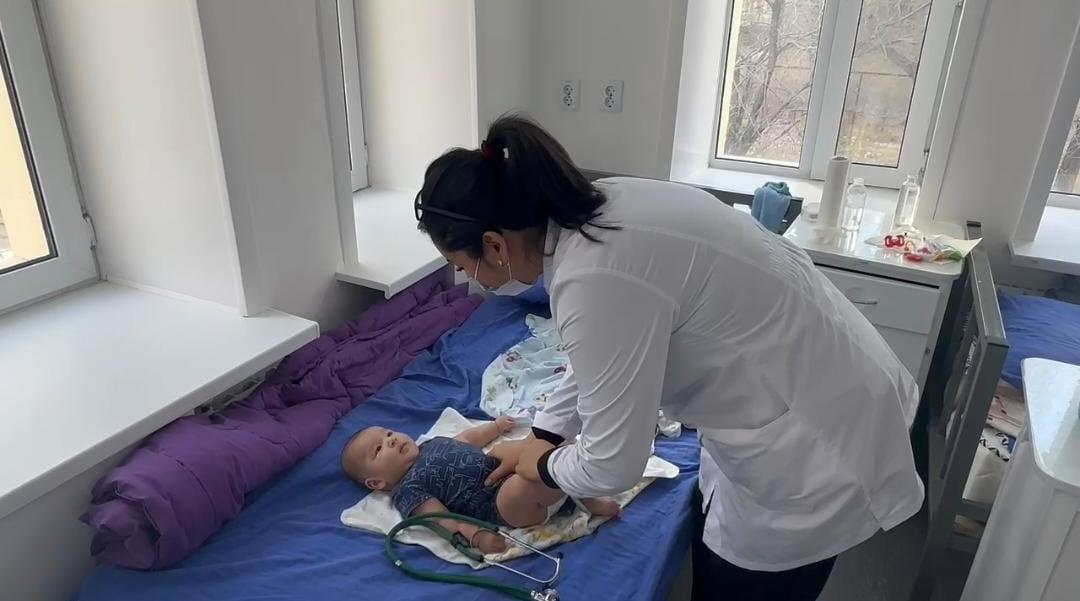
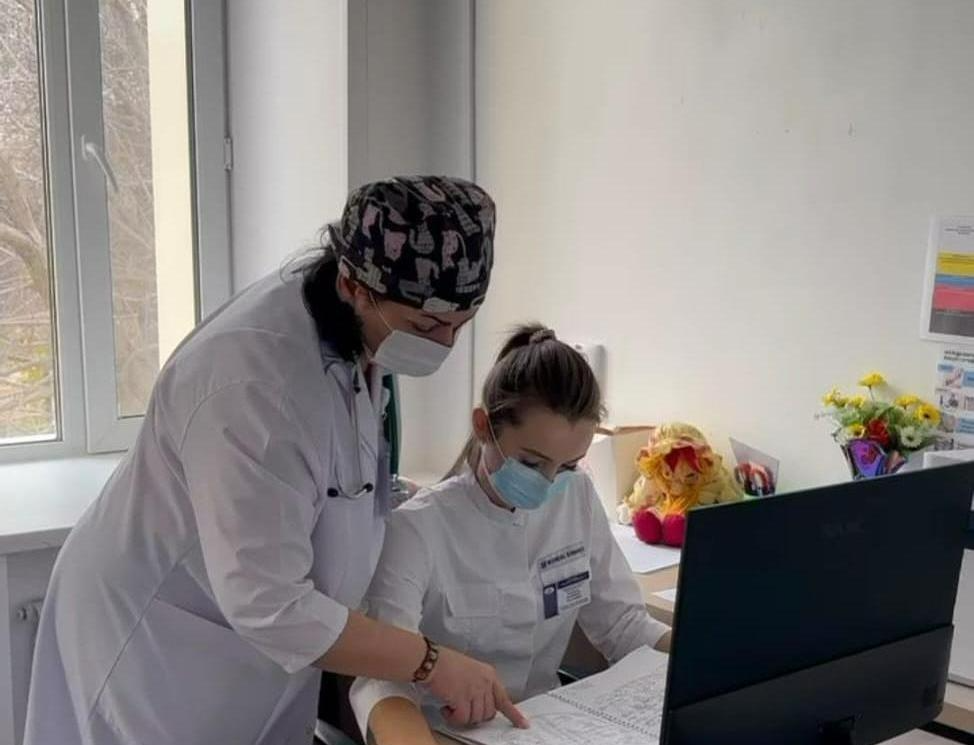
Training highly qualified specialists able to meet the needs of society in providing medical care to patients with an infection profile, apply and develop advanced innovative technologies in medicine.
What will you learn?
1st course
- Methods of modern diagnostics, differential diagnosis of infectious diseases at the outpatient clinic level in adults and children.
- Carrying out sanitary and anti-epidemic, sanitary and preventive measures to prevent and identify particularly dangerous infectious diseases
2nd course
- Methods of diagnosis, differential diagnosis of infectious diseases at the hospital level in adults and children
- Tactics for managing patients with neuroinfectious pathologies with spinal puncture for therapeutic and diagnostic purposes
- Provide modern medical care to the population for diseases caused by the human immunodeficiency virus (HIV infection)
3rd course
4th course
5th course
Final learning outcomes
- Effectively carry out the initial examination of an infectious patient, supervise infectious patients, diagnose and treat infectious patients..
- Effectively demonstrate monitoring of clinical and laboratory parameters and operational adjustments, and prevent complications of infectious diseases. Educate patients and their family members, carry out the prevention of infectious diseases and rehabilitation measures among the population.
- Effectively demonstrate practical skills, manipulations, procedures within the specialty
- Demonstrate skills in assessing indications for emergency and planned hospitalization in a specialized department of a hospital for infectious patients, in the intensive care unit of a hospital. Provide first medical, emergency qualified assistance.
- Effectively carry out basic treatment measures for infectious diseases that can cause severe complications and (or) death; promptly identify life-threatening disturbances in the course of the infectious process, use methods for their immediate elimination.
- Effectively use personal protective equipment, carry out anti-epidemic measures when identifying particularly dangerous, conventional infections