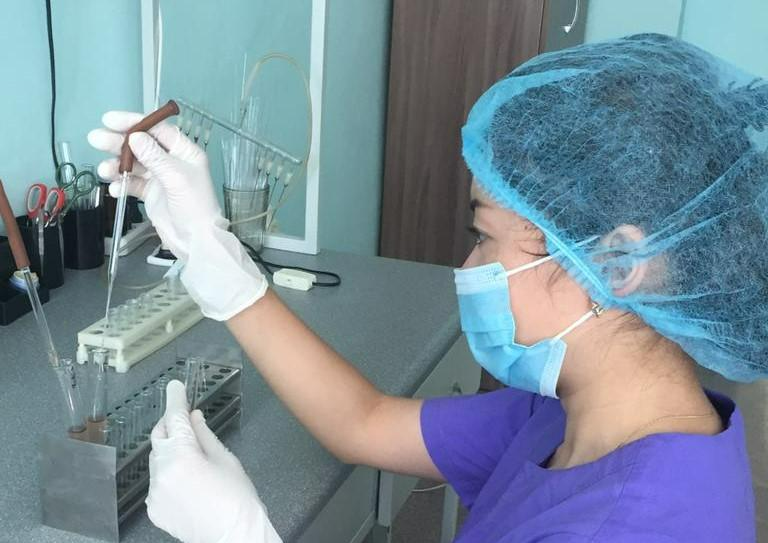
Forensic medical examination
Group of educational programs: R034 Forensic medical examination
Cipher: 7R01125
Duration of study: 2 years, 140 credits
Admission conditions:availability of higher medical education, internship, or a document indicating the qualification of a "doctor" in the program of higher medical education, a doctor's certificate, an entrance exam according to the Admission Policy of students
Tuition fee for 1 year: 2 000 000 tenge
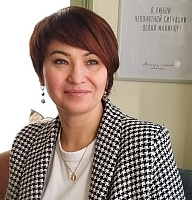
Saule Amangeldiyevna Mussabekova
Head of educational program
 +7 7212 503930, ext.1375
Mission
Training of family doctors with in-depth clinical training who are able to provide qualified primary medical care to patients in accordance with modern principles of evidence-based medicine.
What will you learn?
1-2 course
- To establish the fact, time, and cause of death;
- Examination of the corpse at the scene;
- Conducting research using special methods;
- Analysis of the circumstances of the incident and preparation of necessary documentation;
- Conducting expert work during extreme situations;
- Diagnosis of injuries and severity of bodily injuries.
Final learning outcomes
- Describe the corpse at the place of its discovery (incident) and apply methods of examining the corpse at the place of its discovery (incident), taking into account the category, type and type of death.
- To carry out a forensic medical examination of the corpse: external and internal examination of the corpse, its parts in various types of death, apply various techniques of sectional techniques and perform additional tests at the sectional table.
- To carry out a forensic medical examination (examination) in relation to a living person, an exhumed corpse and according to the case materials.
- To carry out a forensic medical examination (examination) of a corpse in cases of nonviolent death from various diseases, to carry out differential diagnosis for different causes of nonviolent death.
- Plan the volume of additional instrumental and/or laboratory studies during the production of forensic medical examination (examination) of organs and tissues of the corpse, remove and direct objects from the corpse and its parts for additional instrumental and (or) laboratory examination in accordance with the established procedure. .
- Interpret the information received when studying the submitted documentation, substantiate expert conclusions and issue a medical death certificate taking into account the current International Statistical Classification of Diseases. .
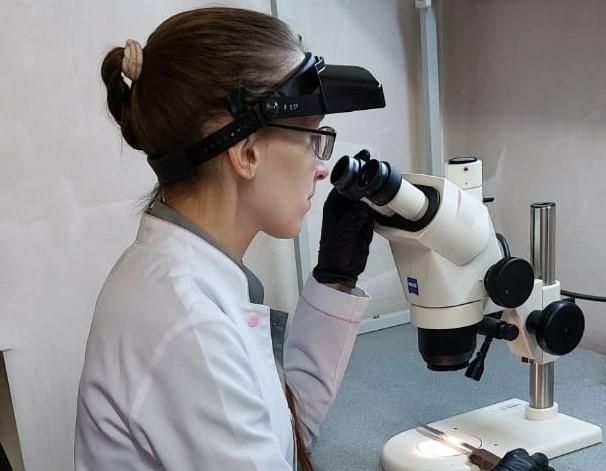
- Integrate modern technologies into conducting forensic medical research, use standard equipment, equipment and devices specified in the equipment standard for conducting forensic medical examination of corpses.