
Family Medicine
Group of educational programs: R038 Family Medicine
Cipher: 7R01124
Duration of study: 2 years, 140 credits
Admission conditions: availability of higher medical education, internship, or a document indicating the qualification of a "doctor" in the program of higher medical education, a doctor's certificate, an entrance exam according to the Admission Policy of students
Tuition fee for 1 year: 2 000 000 tenge
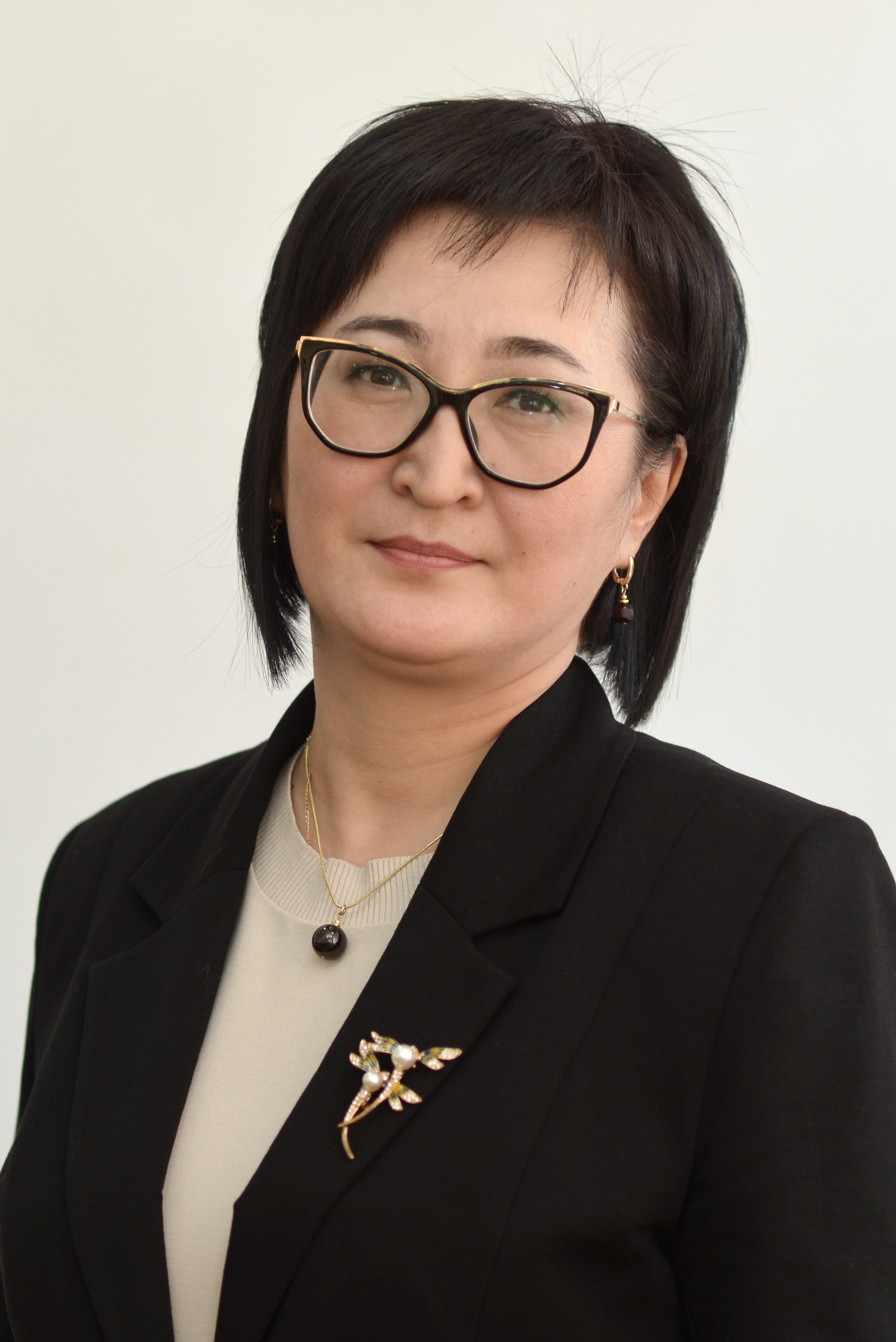
Abugalieva Tleuzhan Orazalievna
Head of educational program
 +7 7212 503930, ext.1716
Mission
Family doctors training with in-depth clinical training, capable to provide qualified primary medical care to patients in accordance with modern principles of evidence-based medicine
What will you learn?
1st year
- Possess regulatory legal acts regulating the activities of a family doctor, work with information technology at the PHC level
- Work in a team to provide patient-oriented care
- To work with screening programs, the Disease Management Program (PMS), the universally progressive model of patronage of pregnant women and young children (USPM), the technology of preventive counseling (individual, group)
- To carry out an examination of temporary and permanent disability of patients and apply the ICF to determine the limitation of the ability to function
- Possess the skills of management and treatment, dynamic observation, rehabilitation of patients with diseases of internal organs among the adult population
2nd year
- To master the skills of patronage of newborn children, monitoring the assessment of child development, child management skills according to the IVBDV program, management and treatment of children with the most common diseases at the PHC level, counseling parents on vaccination
- Possess the skills of managing pregnant women with physiological pregnancy, antenatal care, providing medical care to pregnant women with extragenital diseases, including hypertensive conditions
- Methods of contraception
- Possess the skills of management and treatment, dynamic observation of patients with surgical, traumatological, otorhinolaryngological, ophthalmological, oncological, phthisiological, dermatovenerological, psychiatric, neurological diseases at the PHC level
- Possess palliative care skills
- Providing medical assistance in emergency situations
Final learning outcomes
- Have skills in managing elderly patients.
- To carry out primary disease prevention (preventive examination, preventive vaccinations, screenings).
- Master the skills of managing patients with chronic non-communicable diseases according to the disease management program and the universally progressive model of patronage of pregnant women and young children.
- Provide dynamic monitoring.
- Management and treatment of a comorbid patient at the PHC level.
- The application of the principles of evidence-based medicine in their work.
- Determine indications for call service at home and organize a hospital at home, work with the Portal of the Bureau of Hospitalization.
