
Cardiology (adult, children's)
Group of educational programs: R001 Cardiology (adult, children's)
Code: 7R01108
Duration of Study: 3 years, 210 credits
Admission Requirements: possession of higher medical education, internship, or possession of a document indicating qualification as a "physician" under the higher medical education program, physician certificate, entrance exam according to the Admission Policy
Tuition Fee per Year: 2 000 000 tenge
Mission
Training of a qualified specialist cardiologist with professional competencies, capable and ready for independent work in outpatient and inpatient care, providing specialized, high-tech, emergency and palliative care.
What will you learn?
- Electrophysiology of the heart;
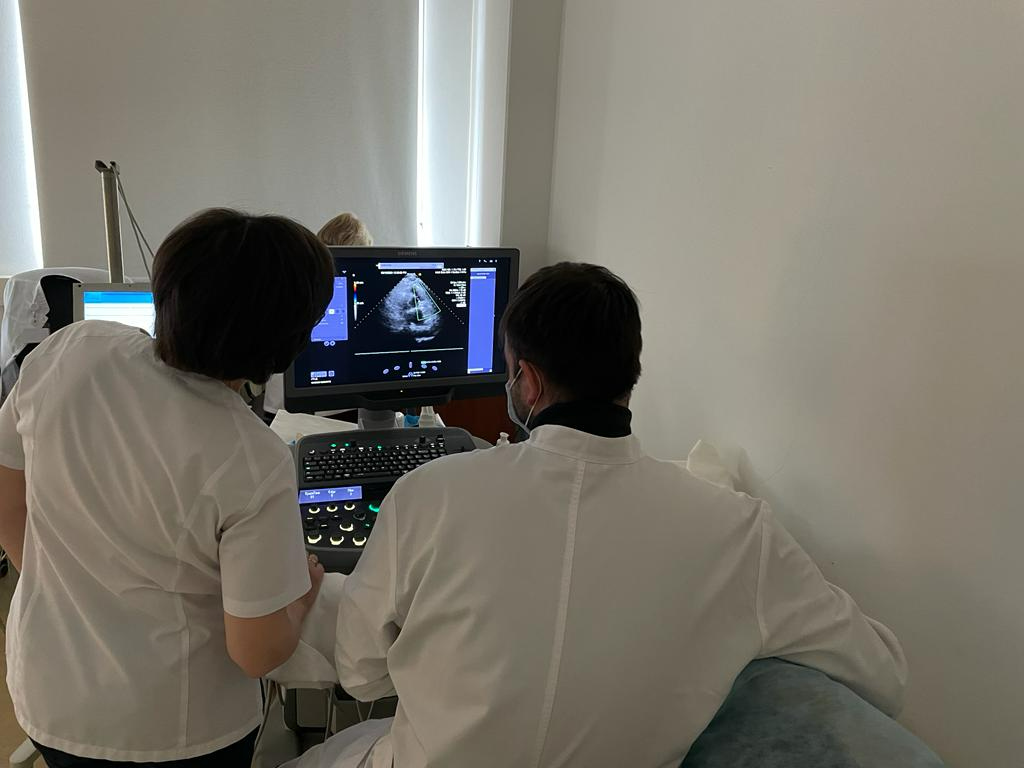
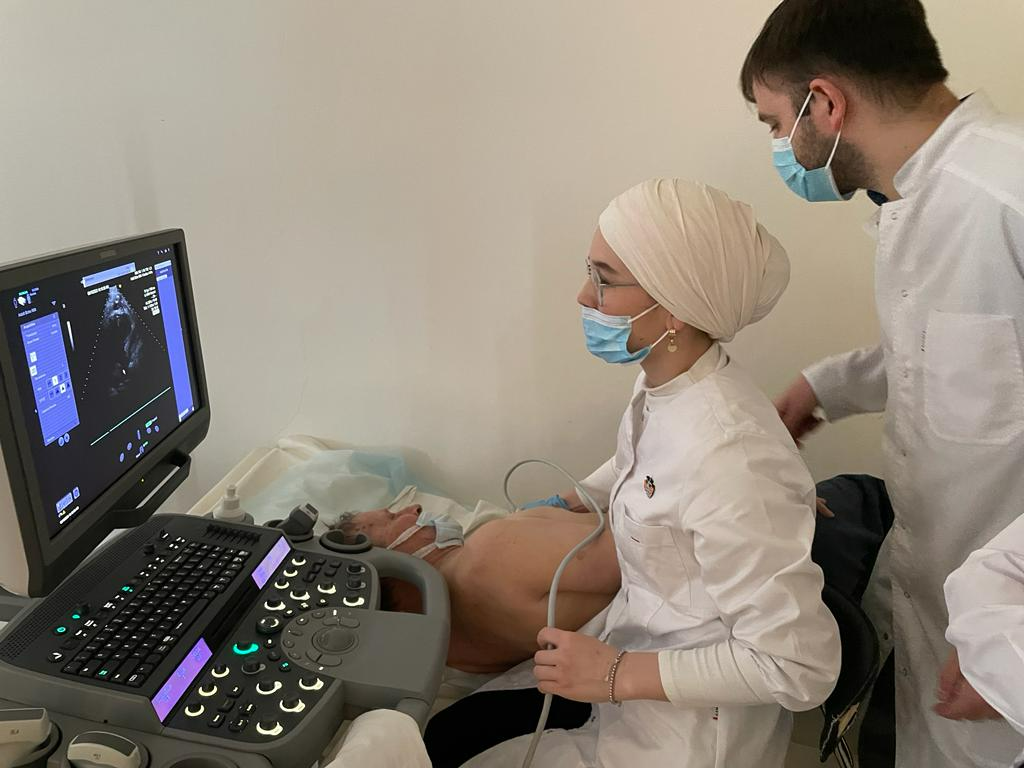
- Non-invasive cardiovascular imaging;
- Basics of cardiology in the hospital setting for adult and pediatric practice.
- Diagnosis, treatment, prevention, cardiac rehabilitation for diseases of the cardiovascular system, taking into account modern recommendations, including tactics for managing pregnant women with heart disease;
- Sports heart and patient management tactics.
- Basics of interventional cardiology and interventional arrhythmology;
- Features of non-invasive cardiovascular diagnostics;
- Interpretation of laboratory and instrumental examination results;
- Treatment tactics and management of patients with cardiovascular diseases in outpatient practice.
Final learning outcomes:
- Demonstrates knowledge of the structure and function of the heart, electrophysiological basis of heart function, pathogenetic mechanisms of cardiovascular system pathology.
- Possesses skills for objective examination of cardiac patients, conducting differential diagnosis of the main cardiac syndromes, establishing and formulating clinical diagnosis, conducting diagnostics, treatment, prevention, medical rehabilitation, dynamic observation of adult and pediatric patients with cardiovascular system pathology at all levels of medical care.
- Independently performs and interprets the results of instrumental studies: electrocardiography (ECG), Holter ECG monitoring, 24-hour blood pressure monitoring; evaluates the results of diagnostic studies: echocardiography (transthoracic, transesophageal), vascular Doppler ultrasound, coronary angiography, multislice computed tomography, magnetic resonance imaging of the heart.
- Demonstrates skills in modern pharmacotherapy for cardiovascular diseases and determines indications for interventional cardiology technologies.
- Defines therapeutic nutrition, basics of therapeutic physical training, indications, contraindications for interventional and cardiac surgical interventions for cardiovascular diseases.
- Conducts examination of temporary disability for cardiac patients, carries out dynamic observation; determines indications for hospitalization, diagnostic procedures, highly specialized cardiac care for adults and children. Possesses skills of cardiac rehabilitation of patients with cardiovascular diseases in outpatient clinics, rehabilitation treatment organizations, and sanatorium-resort organizations.
- Evaluates patient's condition in critical situations and provides qualified emergency care for emergency and life-threatening conditions in cardiology.
Employment:
After completing the educational program, graduates can work in public and private healthcare organizations as adult or pediatric cardiologists and obtain the right to private practice in accordance with current regulations.
