
Allergology and immunology (adult, children's)
Group of educational programs: R003 Allergology and immunology (adult, children's)
Cipher: 7R01103
Duration of study: 2 year, 140 credit
Admission conditions: higher medical education, internship, or a document demonstrating the qualification of the «doctor» under the program of higher medical education, doctor's certificate, entrance exam in accordance with the Admission Policy
Tuition fee for 1 year: 2 000 000 tenge

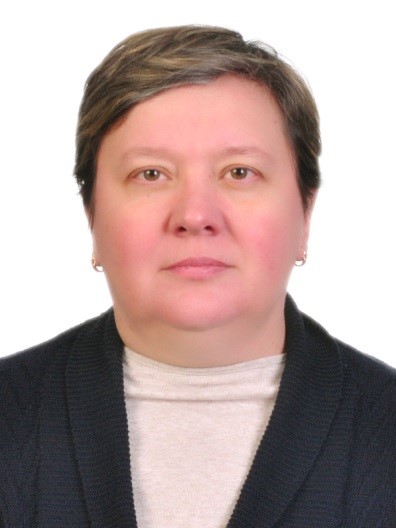
Dedova Olga Yurievna
Head of educational program
 +7 7212 503930, ext.1459
Mission
Training of highly qualified specialists who are able to meet the needs of society in providing medical care to newborn children, apply and develop advanced innovative technologies in medicine, science and practice, use the achievements of information and communication technologies, strengthen the health of newborn children.
What will you learn?
1st year
- Fundamentals of immunology and allergology;
- Identify possible causes of allergic disease and immunopathology;
- Using objective methods of examination of the patient;
- Verification of the diagnosis and management tactics of adult and child patients;
2nd year
- Conducting diagnostic laboratory diagnostics and conducting skin allergic tests;
- Verification of the diagnosis and management tactics of adult and pediatric patients with immunopathology and allergic diseases;
Final learning outcomes
- Identifies possible causes of allergic disease and immunopathology using objective methods of examination of the patient.
- Formulates the diagnosis of an allergic disease in accordance with the clinical classification, determines its form, phase, and course.
- Able to assess the severity of the patient's condition, determine the scope and sequence of necessary measures to provide assistance.
- Uses pharmacotherapeutic methods for the treatment of concomitant diseases and complications in patients with allergies and immunopathology.
- Has the skills of conducting skin Allergy tests (prick-test, scarification, intradermal, application, inhalation) and their assessment
- Holds nebulizer therapy in exacerbations of bronchial asthma and teaches the patient to use the device (nebulizer, picflowmetry)
- Communicates effectively with patients, their families and the public, depending on the circumstances, taking into account socio-economic and cultural traditions.
- Effectively works in the existing system of medical care related to the clinical specialty, coordinates patient care in the health care system, based on the current legal framework for providing medical care
