Medicine
Degree: Master of Medicine
OP group:BM086 Medicine
Cipher:6B10113
Duration of study: 6 years, 360 credits
Admission conditions:UNT results with a threshold level of 80 points and above
Core disciplines: biology, chemistry
Tuition fee for 1 year: 1 350 000 tenge
Description of the educational program
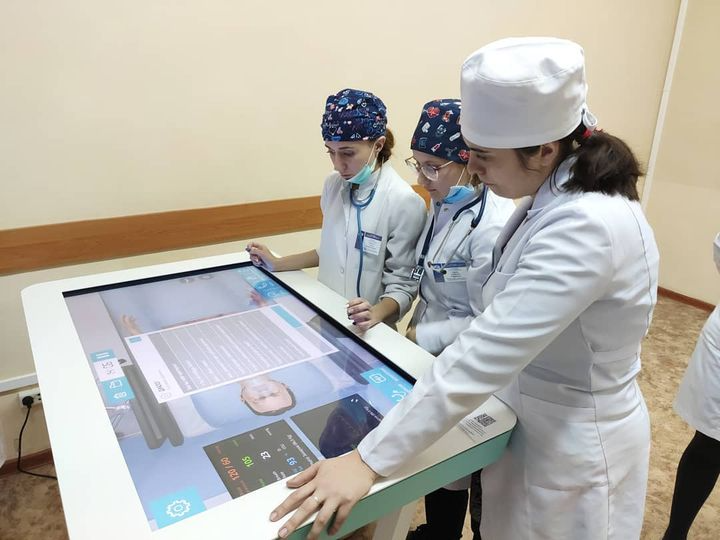
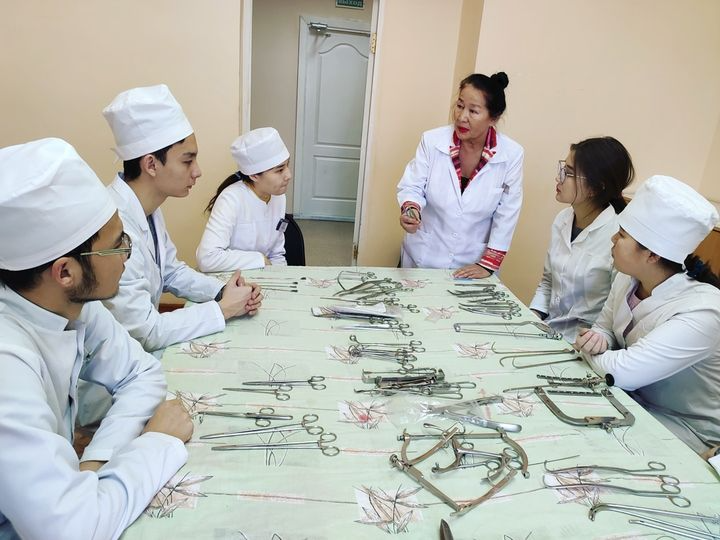
The educational program "Medicine" includes theoretical training, professional practices, experimental research, additional types of training, intermediate and final attestation. Modern simulation technologies and innovative methods are used to train a specialist: mannequins, dummies, simulators, standardized patients, virtual realities, computer programs that allow simulating and reproducing static and dynamic processes of clinical situations. Training is conducted in the state and Russian languages. In addition, the School of Medicine offers the development of the curriculum in English-speaking and multilingual groups, which undoubtedly improves the quality and capabilities of trained personnel.
Upon completion of the training, a state-issued master's degree and a certificate of completion of the internship are issued.
Mission
Training of a qualified doctor, Master of Medicine, capable of implementing successful clinical activities based on high clinical, scientific and ethical standards of healthcare.
What will you learn?
- General patterns of the origin and development of life
- The structure and functioning of human cells, tissues, and organs
- Anatomical and physiological features of our body are normal in different age periods
- Understanding the processes of damage to organs and tissues, you will see the mechanisms of various diseases from the point of view of pathological physiology, morphology, and anatomy.
- Get the basics of diagnosis and pharmacotherapy of diseases.
- Methods of diagnosis and principles of therapy for major diseases in children and adults based on the best clinical practices. Algorithms for the management of surgical, obstetric and gynecological patients.
- To consult patients (to collect anamnesis, to conduct an examination, to evaluate clinical analysis, to carry out differential diagnosis, to make a treatment plan)
- Provide emergency medical care, including first aid and intensive care.
- To carry out preventive and rehabilitation measures among the population.
- Provide psychoemotional support to patients and their relatives with various conditions and diseases.
- To comply with the highest standards of ethical and professional conduct, legal norms in patient care, focus on quality and safety in healthcare
- The application of scientific principles and knowledge of evidence-based medicine in clinical practice and participation in scientific research.
- The ability to improve knowledge and skills throughout professional activity for continuous development and provision of high-quality medical care
Final learning outcomes
- Demonstrate and put into practice knowledge in the field of biomedical, clinical, epidemiological and socio-behavioral sciences, including generally accepted, developing and constantly updated knowledge
- Demonstrate interpersonal and communication skills leading to effective information exchange and collaboration with patients, their families and healthcare professionals, including through the use of information technology
- Provide effective patient-centered care, including appropriate and effective measures aimed at the diagnosis, treatment and prevention of diseases
- Demonstrate commitment to professional duties and ethical principles
- Demonstrate the qualities necessary to maintain continuous personal and professional growth, continuous improvement of the quality of medical care based on constant self-assessment and lifelong learning
- Be aware of and demonstrate responsibility for their actions within the framework of the current regulatory framework of the healthcare system and be guided by them in their practical activities to ensure optimal medical care
- Demonstrate the ability to research and evaluate the treatment outcomes of their patients, evaluate and implement treatment principles based on scientific evidence.