
Medicine (joint educational program with KSMU Kazan)
Partners:
- NJSC “Karaganda Medical University” (Ministry of Health of the Republic of Kazakhstan)
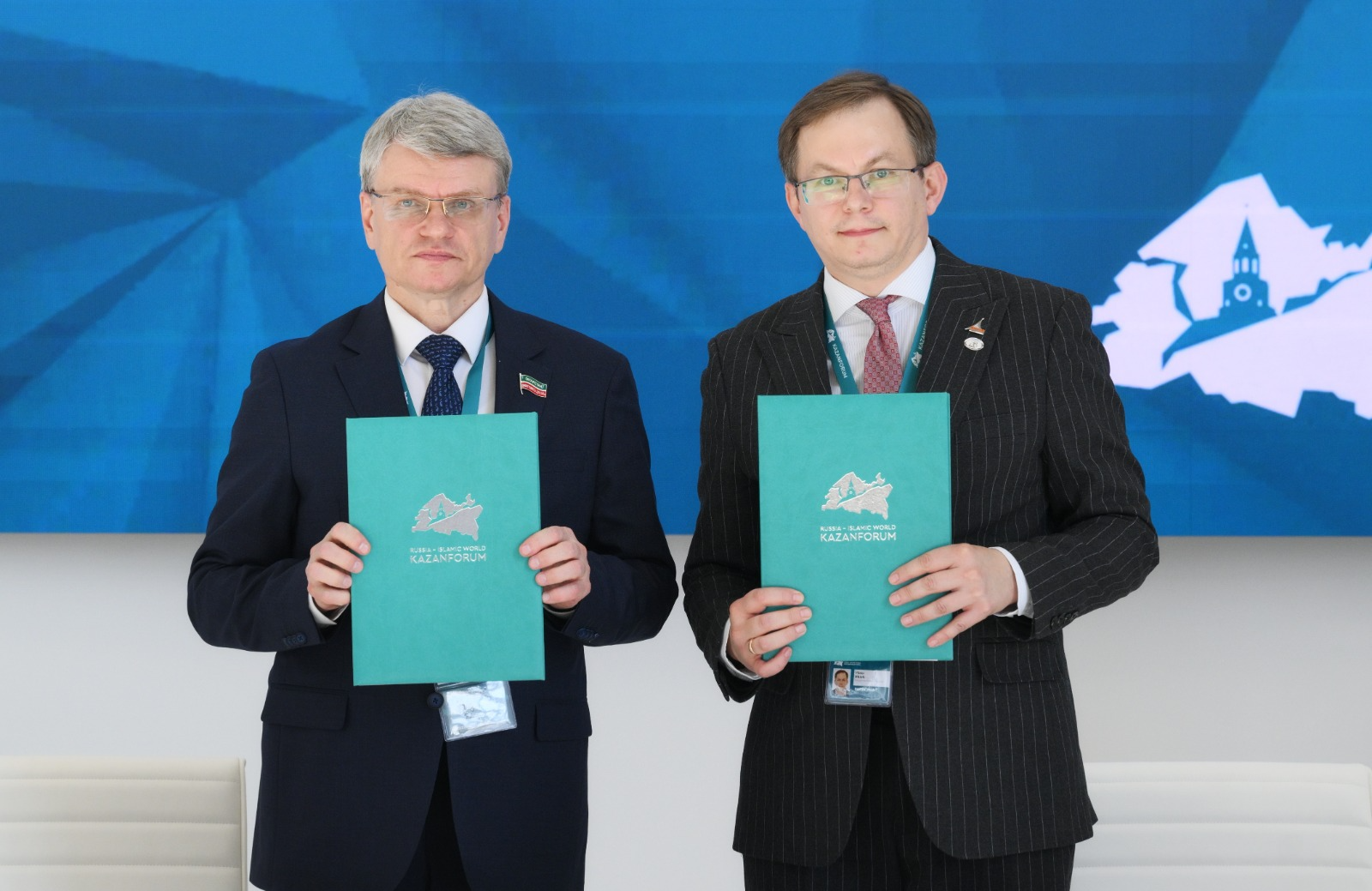
- Kazan State Medical University (Ministry of Health of the Russian Federation)
Degree: Master of Medicine
Program Group: BM086 Medicine
Code: 6В10117
Duration of study: 6 years
Format of study: 6 years
- Years 1–3 — training at Karaganda Medical University (Kazakhstan)
- Years 4–6 — training at Kazan State Medical University (Russia)
Admission requirements: Unified National Testing (UNT) results: minimum 65 points for admission to KSMU (Russia), minimum 70 points for admission to KMU (Kazakhstan).
Profile disciplines: Biology, Chemistry, Russian language
Tuition fee per year / 60 credits: 1 500 000 KZT
 +7 7212 503930, int.1224
 Additional Opportunities for Admission:
“Compatriot” Program:
- Applicants are entitled to special admission conditions if: Their parents, grandparents were born on the territory of the former USSR.
- Benefits for compatriots: The possibility of studying on preferential tuition terms — equal to those for citizens of the Russian Federation.
Mission of the Educational Program
Training competent specialists in the field of medicine who possess profound theoretical knowledge, practical skills, and research competencies in line with international standards.
Description of the Educational Program
Modern medicine requires the training of specialists with fundamental theoretical knowledge, practical skills, and scientific thinking. In the context of globalization and the integration of medical education, there arises a need for the exchange of advanced educational technologies, scientific research, and clinical practices. The joint educational program “Medicine” combines the expertise of two leading medical universities — Karaganda Medical University (Republic of Kazakhstan) and Kazan State Medical University (Russian Federation). The program is aimed at training qualified specialists capable of working effectively in the international medical environment. Training covers clinical practice, preventive medicine, scientific research, teaching, and healthcare management.
What will you learn?
- A solid theoretical and practical foundation is formed. Training includes humanities and social sciences, development of critical and scientific thinking, study of the Kazakh and Latin languages, as well as informatics.
- Particular attention is given to natural sciences — biology, chemistry, physics, mathematics — and basic medical sciences: anatomy, physiology, histology.
- Students are also introduced to the history of medicine, healthcare economics, acquire patient care skills, and undergo their first practical training.
- A solid theoretical and practical foundation continues to be developed. Training includes humanities and social sciences, the development of critical and scientific thinking, study of the Kazakh and Latin languages, as well as informatics.
- Special emphasis is placed on natural sciences — biology, chemistry, physics, mathematics — and basic medical sciences: anatomy, physiology, histology.
- Students also become familiar with the history of medicine, healthcare economics, acquire patient care skills, and complete their first professional practice.
- A key stage in developing the clinical thinking of future doctors. Training is structured in accordance with international standards for medical education.
- Students study pathological anatomy and physiology, deepen their knowledge of diagnostics through propedeutics of internal diseases, pharmacology, general and operative surgery.
- Special attention is given to the integration of biomedical knowledge into medical practice, enabling effective application of theory in clinical situations.
- Students also study healthcare organization, management, and psychology of leadership.
- Research skills are developed through research methodology, evidence-based medicine, and medical informatics.
- Practical training includes professional practice, as well as mastering surgical procedures and emergency care.
- Students move on to advanced clinical training, covering the key areas of medicine. The program is implemented in accordance with the standards of both Kazakhstan and the Russian Federation, ensuring compliance with international requirements for physician training.
- Special attention is given to therapy and surgery (including general, pediatric, urology, ophthalmology, and otorhinolaryngology), as well as related disciplines: psychiatry, neurology, clinical immunology, dentistry, and forensic medicine.
- Students also master the specifics of providing care to children and women, studying pediatrics, obstetrics, and gynecology.
- The curriculum includes practical training as a physician’s assistant.
- This stage represents intensive clinical training, where students are brought as close as possible to real medical practice. Training is based on international standards, allowing the integration of the best educational approaches.
- Students study in depth:
• Obstetric-gynecological and pediatric practice
• Internal medicine
• Oncology
• Diagnostics
• Clinical pharmacology
• Infectious diseases
• Medical rehabilitation and emergency care
- They master modern methods of diagnosis, prevention, and treatment.
- Special attention is devoted to medical errors, patient safety, and professional responsibility.
- Practical training takes place in hospitals and polyclinics, where students act as physician assistants, honing their professional skills in real clinical situations.
- The final stage of physician training, which includes clinical rotations, emergency care, and final certification.
- Training is conducted according to the international standards of Kazakhstan and Russia, with a strong emphasis on practical work in hospitals and polyclinics.
- Students immerse themselves in therapeutic, surgical, obstetric-gynecological, and pediatric fields, actively participate in emergency care, and acquire skills in anesthesiology and resuscitation.
- In parallel, they carry out scientific research activities.
- Practical training is aimed at consolidating clinical skills in the role of a physician’s assistant.
- The final stage is state certification, conducted at both universities, confirming the graduate’s readiness for professional practice at the international level.
Awarded Qualification: Physician
Opportunities upon Completion of the 6-Year Program:
- Employment in the Russian Federation without the need for additional accreditation.
- Admission to residency in the Republic of Kazakhstan in the chosen specialty.
Employment Opportunities
Graduates of the “Medicine” (Dual Degree) educational program can work in the following institutions and organizations:
- State and private medical institutions (polyclinics, hospitals, diagnostic centers, specialized clinics).
- Medical research institutes and laboratories (participation in fundamental and applied research).
- Educational institutions (teaching positions in medical universities and colleges).
- Pharmaceutical companies (clinical research, medical consulting, development of new pharmaceuticals).
- Insurance companies and healthcare organizations (medical insurance, medical auditing, expert activities).
- International organizations (WHO, UNICEF, international healthcare cooperation programs).
- Centers of digital medicine and medical technology startups (development and implementation of digital healthcare solutions).
