
Public health (scientific and pedagogical direction)
Academic degree awarded master of medical sciences in the educational program “ Public health”
Group of educational programs: M140 Public Health
Cipher: 7М10119
Period of study: 2 years, 120 credits
Admissions Passing complex testing
Tuition fee per year:1 200 000 tenge
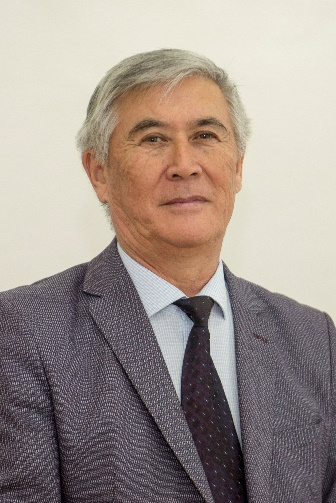
Kulov Dusentay Barkenovich
Head of educational program
 +7 7212 503930, ext.1431
 Description of the educational program
To train specialists with in-depth scientific and pedagogical training for the public health, education and science service
Mission
To train specialists with in-depth scientific and pedagogical training for the public health, education and science service
What will you learn?
1st course
Basic and professional knowledge and skills
- In the field of higher education pedagogy
- Management psychology
- To promote and strengthen health
- According to biostatistics
- On epidemiology
- On the theory and practice of scientific writing
2nd course
Special knowledge and skills
- On issues of health and social protection of vulnerable populations
- By environment and health
- Analysis and evaluation of health program services
- In the field of preparation and writing of research work
During the training process, you will have practical training in healthcare organizations
Final learning outcomes
- Know the main stages of science development, philosophical problems in medicine and healthcare.
- Apply the methodology of research in the field of public health and ensure their implementation in accordance with ethical principles, conduct research based on evidence to form evidence-based recommendations
- Know and apply concepts and methods of social psychology, leadership in professional education and management
- Improve the knowledge and skills of a foreign language necessary for academic work, communication with foreign specialists, writing scientific papers and further publication in peer-reviewed journals
- Improve knowledge of new educational technologies and develop professional skills of a high school teacher, effectively solve pedagogical issues to improve student learning
- Perform statistical analysis and assessment of public health problems, model and forecast health parameters and individual elements of health systems
- Analyze and identify cause-and-effect relationships of population health, problems of the health system, and offer science-based solutions. Assess the burden of diseases (including alimentary-dependent ones) and conduct a clinical and economic analysis of health interventions
- Audit, evaluate, and reorganize services and interventions in the health system to improve health indicators and reduce health inequalities
- Have a modern interdisciplinary vision of health promotion concepts and skills taking into account the determinants of health and health inequalities
- Build effective intersectoral interaction with the population, community members, organizations, authorities, and the media
- Study and evaluate the impact of the environment on public health, develop measures to manage risk factors / Protect the population from harmful environmental factors, infectious diseases and other risks to human health, and at the same time address the inequality of exposure to risks
Employment
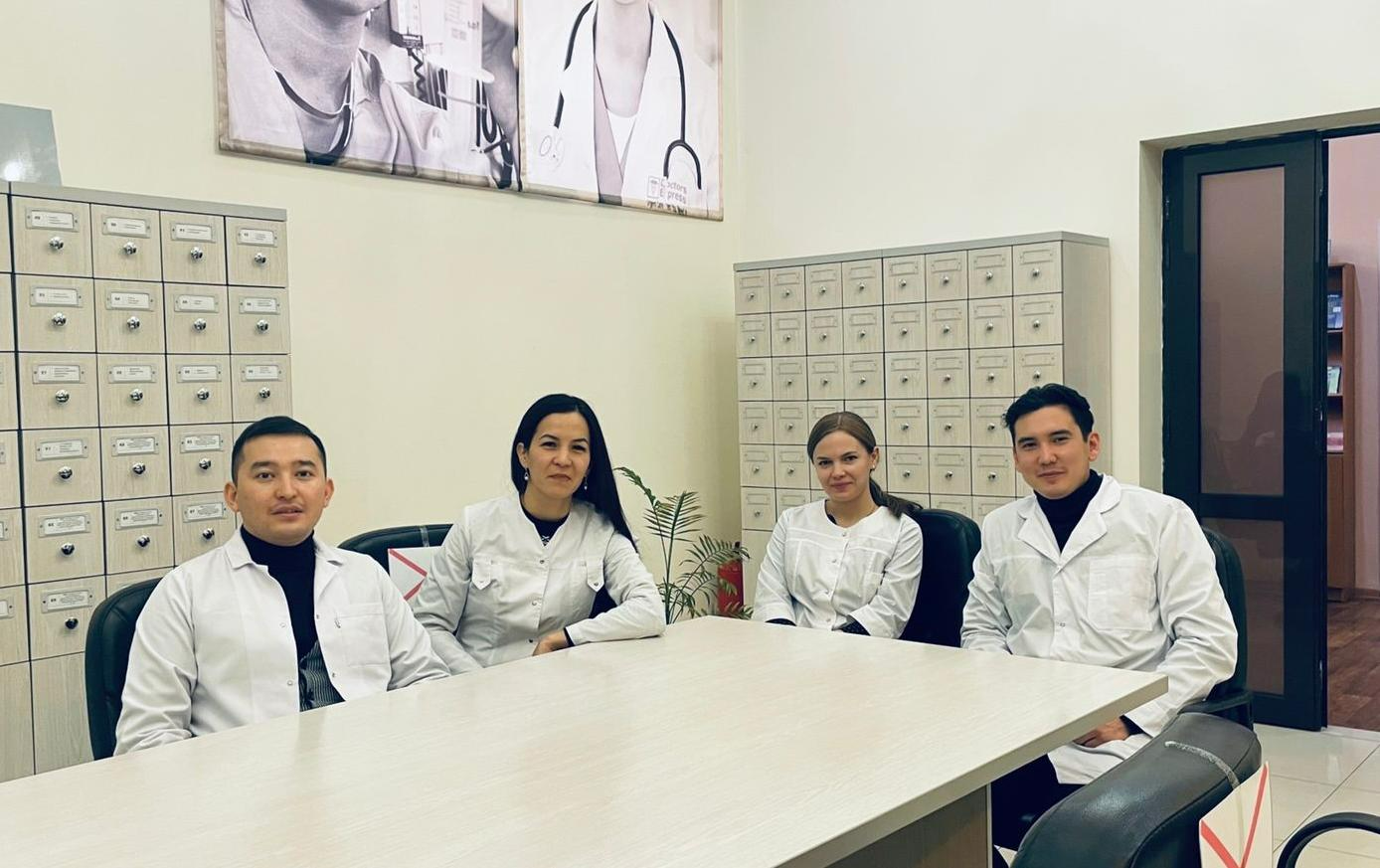
After completing the educational program, graduates can work in public and private healthcare organizations as:- Specialist of the Committee of sanitary and epidemiological control and its territorial bodies
- Employee of bacteriological and toxicological laboratories
- Researcher at research centers and institutes
- Epidemiologist
- Microbiologist
- Healthcare manager
- Medical statistician
- Methodologist of healthcare organizations
- Specialist in social work in the field of healthcare
- Teacher at a medical college and university
- Healthy lifestyle specialist
