Bioengineering (scientific and pedagogical focus)
Degree: Master of Natural Sciences
Group of educational programs: M080 Biology
Cipher: 7M05104
Duration of study: 2 years, 120 credits
Admission conditions: CT, including a test in a foreign language (English, German, French by choice), a test on the profile of groups of educational programs, a test to determine readiness for elective study in Kazakh or Russian
Tuition fee for 1 year: 550 000 tenge
 +7 7212 503930, exp.1611
Description of the educational program
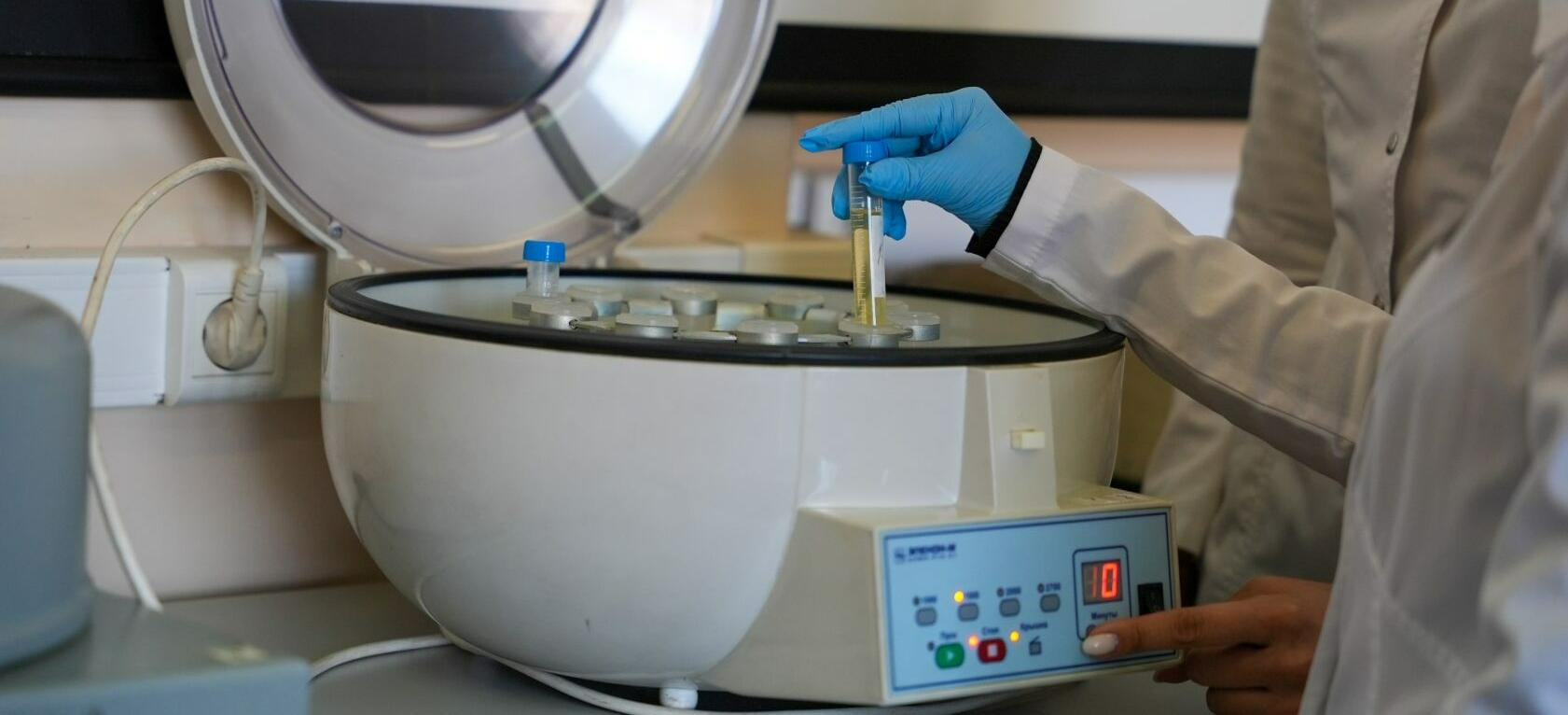
Training of specialists with a Master's degree in natural sciences with fundamental and applied knowledge in the field of modeling of living tissues, stem cells and bioprinting. capable of carrying out research, professional and practical, organizational and managerial and pedagogical activities.
Bioengineering, a rapidly growing and constantly evolving field of research, integrates engineering and life sciences in ways that promote scientific discovery, healthcare, manufacturing, agriculture, the environment, education, and politics.
The mission
Training of specialists with a master's degree in natural sciences with fundamental and applied knowledge in the field of modeling of living tissues, stem cells and bioprinting, capable of carrying out research, professional and practical, organizational, managerial and pedagogical activities.
What will you learn?
- The ability to design and carry out comprehensive research, including interdisciplinary, based on a holistic systematic scientific worldview using knowledge in the field of history and philosophy of science, as well as the application of modern methods and technologies of pedagogy, psychology and fluency in a foreign language.
- The ability to use fundamental knowledge and practical skills at the intersection of natural sciences related to biology, medicine and technology to integrate professional interdisciplinary tasks in the modern developing world.
- The ability to apply acquired knowledge and skills in the field of fundamental biomedical disciplines to solve professional problems in the field of diagnosis of human diseases.
- The ability to apply theoretical knowledge and skills in the use of modern experimental methods in the field of cellular and tissue engineering technologies to perform tasks in professional activities.
- The ability to use computational tools to design molecules and simulate biomolecular interactions to solve problems in the field of bioengineering.
- The ability to use knowledge in the field of copyright, bioethics and biostatistics when writing scientific projects, processing scientific research results, filing patent applications, publishing scientific articles to perform tasks in professional activities.
Measure, model, create
Final learning outcomes
- Identify creative approaches to find solutions to current problems in the field of diagnosis and treatment of human diseases based on knowledge and skills of biomedical disciplines.
- To apply modern experimental methods and cellular technologies in conducting research.
- Demonstrate in practice the skills of working with modern equipment and devices to perform tasks in the field of bioengineering.
- Apply bioinformatics methods and computer applications for bioengineering tasks.
- To use the acquired knowledge and skills in the field of intellectual property, bioethics, as well as biostatistics methods in the development of research projects, preparation of technical documentation on designed bioengineering methods and objects, preparation of scientific publications, implementation of research results in professional activities.