
Biomedicine
Degree:Bachelor of Science
Group of educational programs: B050 Biological and related sciences
Cipher: 6B05101
Duration of study: 4 years, 240 credits
Admission conditions: UNT results with a threshold level of 60 points and above
Major disciplines: biology, chemistry
Tuition fee for 1 year: 715 000 tenge
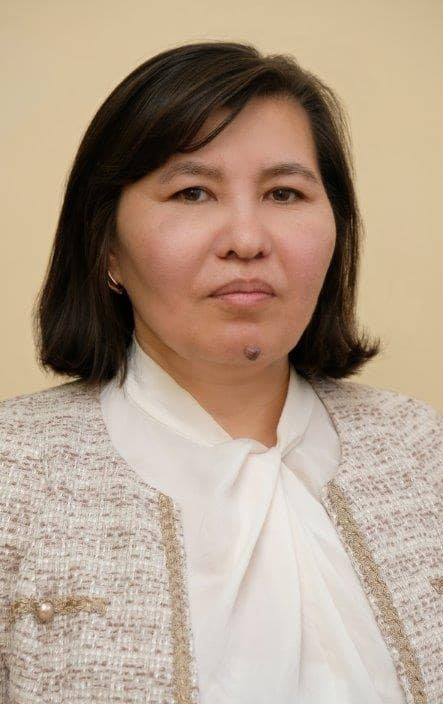
Rakhimova Bibigul Bagdatovna
Head of educational program
 +7 7212 503930, exp.1611
 Description of the educational program
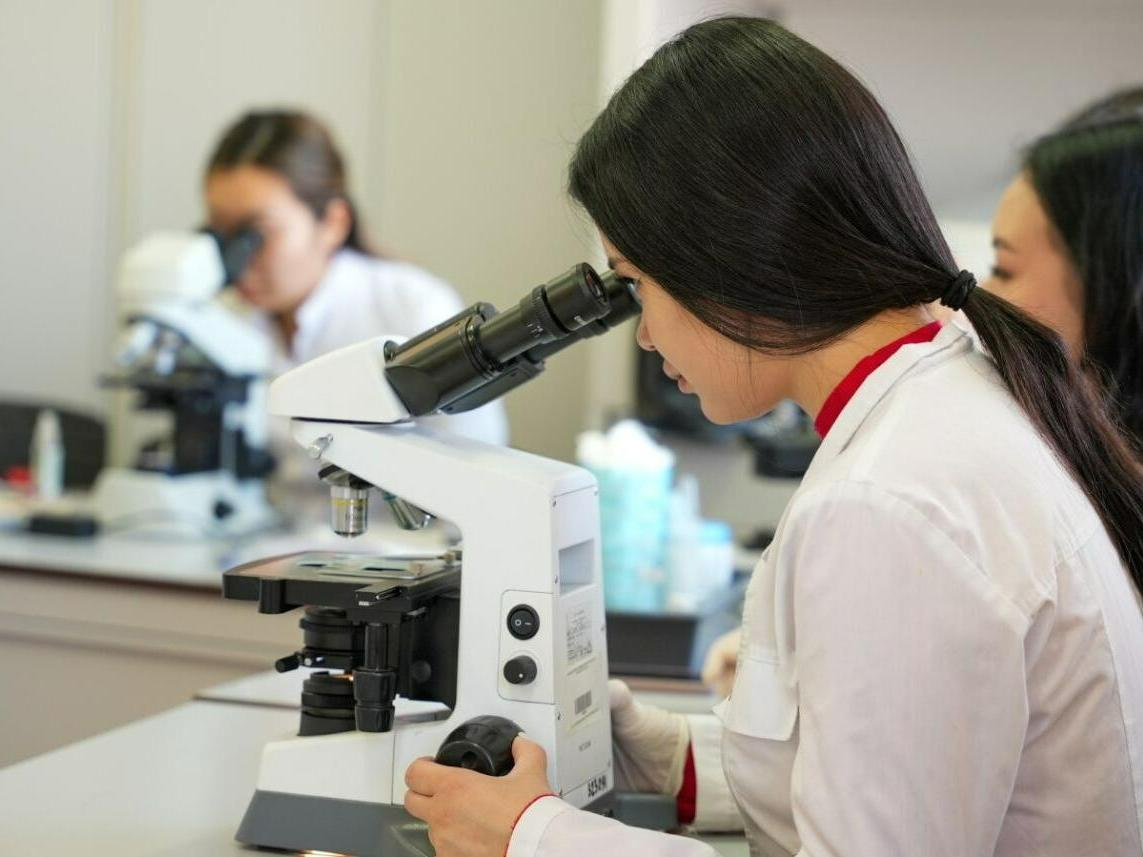
A training program for specialists with a Bachelor's degree in Natural Sciences related to the field of biomedical fields, including laboratory diagnostics, genetic engineering, embryology, all that theoretical medicine can include.
Graduate competencies
- Medical knowledge;
- Communications;
- Clinical skills;
- Professionalism;
- Personal and professional development;
- Regulatory and legal knowledge;
- Research;
Mission
Formation of a specialist with a Bachelor of Natural Sciences qualification with fundamental knowledge and practical skills in the field of biology, micro-biology and biomedicine.
What will you learn?
1st year
- To solve real communicative tasks in certain situations of communication and professional activity through the studied language and the willingness to develop physical qualities for the intellectual development of human abilities.
2nd year
-
Apply biological knowledge to explain the processes and phenomena of wildlife, use information about modern achievements in the field of natural sciences, use laboratory methods and microscopy techniques.
3rd year
-
Apply knowledge of molecular biology, genetics, cell biology, molecular biophysics of cellular processes, genomics and proteomics, epigenetics and bioengineering to solve applied problems, implement practical and research skills.
4th year
- To know the patterns of functioning and regulation of immunological processes in a healthy body from the standpoint of molecular immunology. It is capable of monitoring the quality of atmospheric air, assessing the size of the sanitary protection zone, determining the maximum permissible discharge of wastewater into a reservoir, determining specific water consumption, determining the chlorine demand of water.
Final learning outcomes
- The ability to apply knowledge of molecular biology, genetics, cell biology, molecular biophysics of cellular processes, genomics and proteomics, epigenetics and bioengineering to solve applied problems, to implement practical and research skills.
- To implement practical and research skills, the ability to regulate the interaction between humans and the environment through environmental protection from pollution and rationalization of nutrition.
- The ability to apply modern methods of embryology and prenatal diagnostics, food microbiology with the basics of food safety to analyze and solve practical and research problems.
- The ability to apply biological knowledge to explain the processes and phenomena of wildlife, to use information about modern achievements in the field of natural sciences, to use laboratory methods and microscopy techniques.
