Department of clinical pharmacology and evidence-based medicinе
 +7 7212 503930, int.1224
The development of the department is closely linked to the growing role of clinical pharmacology and evidence-based medicine in practical healthcare, as well as the constant qualitative changes in the organization of the educational process, with active use of information technologies.
The department pays special attention to the methodology of scientific research, biomedical ethics, principles of conducting clinical research, reading and analyzing medical publications, identifying incorrect information in medical literature and advertising, as well as the principles of preparing and presenting student scientific papers and publications.
There are 24 employees working in the department.
Science
The foundation for the department's promising development is the growing understanding of the role of clinical pharmacology and evidence-based medicine in practical healthcare, as well as the constant qualitative changes in the organization of the educational process with the active use of information technologies.
As a result of achieving targeted performance indicators, the department has ranked second in the university for three consecutive years.
The main areas of scientific research by the department staff include:
- Research aimed at improving the system of rational use of medicines for practical healthcare;
- Conducting research in the field of medical education, participation in international EU Erasmus projects;
- Clinical trials of drugs in phases 1-3;
- Study of new plant-derived medicines;
- Screens for the toxicity of dietary supplements.
Student Research Club
The department has actively operated a student research club for many years. The results of the club members' work are presented at annual scientific conferences for young scientists, published in KKSON, RINC, and other scientific-practical journals, as well as in the materials and collections of republican and international conferences. Special attention is given to the methodology of scientific research, biomedical ethics, principles of conducting clinical research, reading and analyzing medical publications, identifying incorrect information in medical literature and advertising, and the principles of preparing and presenting student scientific papers and publications.
Education
The department is a unique example of the continuity of education. The training of specialists is conducted at both the basic theoretical level and at the levels of internship and residency. Students study pharmacology, clinical pharmacology, and evidence-based medicine. This lays the foundation for critical thinking, acquires knowledge in pharmacology, and develops clinical skills in the effective and safe use of medications.
The Department of Clinical Pharmacology prepares students with modern clinical and pharmacological thinking, capable of interpreting the results of clinical studies of medications, appropriately selecting and prescribing the most effective and safe drugs, their combinations, and dosing regimens, taking into account the data of evidence-based medicine, the presence of comorbidities, and the physiological profile of the patient in a specific clinical situation, as well as predicting and identifying early-stage adverse and undesirable effects of medicinal substances.
All staff members hold certificates of advanced pedagogical and professional training. The results of the educational activities of the department's teaching staff are reflected in numerous publications and presentations at international scientific and practical conferences at both republican and international levels. Department staff are recipients of the international "Bolashak" scholarship program.
The department has been closely collaborating with the visiting professor from the University of Otago School of Pharmacy in New Zealand, David Woods, for a long time. Annually, Professor David Woods conducts a series of seminars on subjects such as Pharmacology and Fundamentals of Evidence-Based Medicine as part of academic mobility.
Clinic
The department actively collaborates with the Health Department of the Karaganda Region on issues related to the work of the Regional Formulary Commission, the National Center for Rational Use of Medicines, clinics, research institutes, and the National Scientific Center for Health Development named after S. Kairbekova on the development of national clinical protocols for diagnosis and treatment, conducting clinical trials of medications, and implementing a roadmap to contain the resistance of infectious agents to antimicrobial drugs in Kazakhstan.
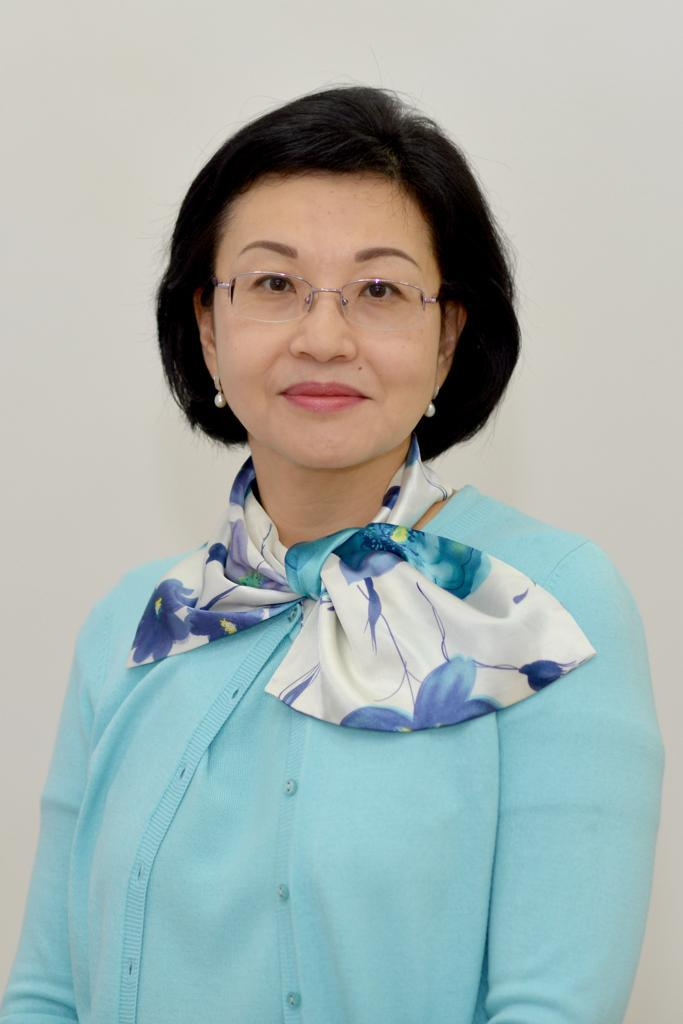
The head of the department, Sh.S. Kalieva, is a member of the Regional Council for Providing Emergency Care to Seriously Ill Patients in the Karaganda Region, including pregnant women and children.
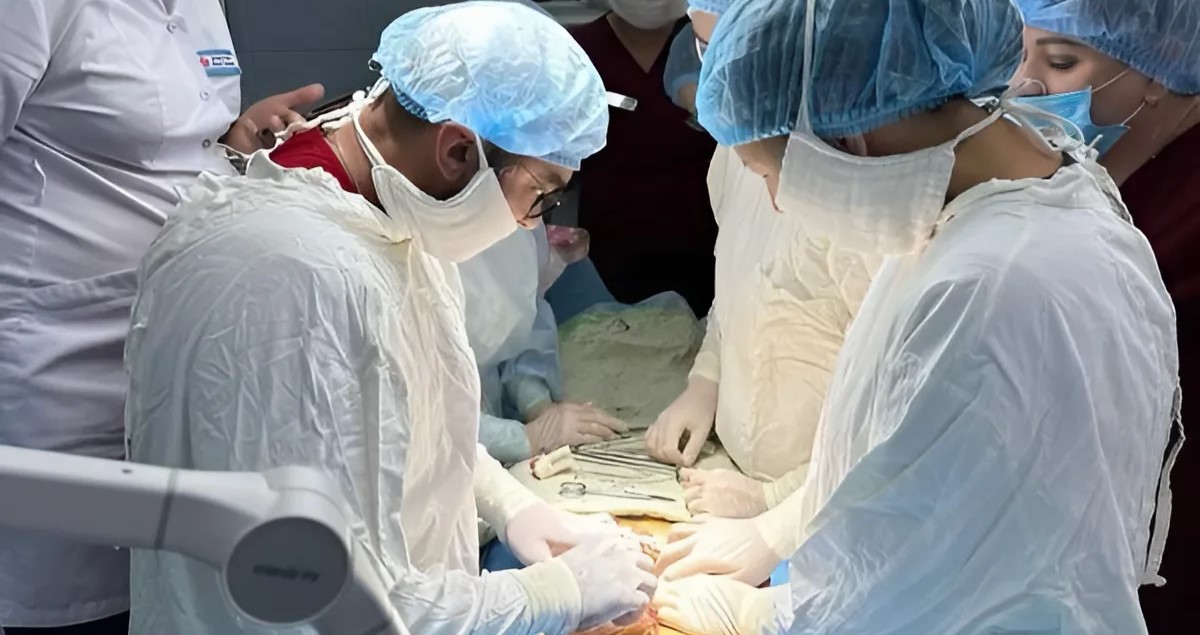
Department staff are practicing clinical pharmacologists and perform clinical work at 8 clinical bases of the department:
- State Communal Enterprise "Multidisciplinary Hospital named after Professor K.Zh. Makazhanov";
- State Communal Enterprise "Regional Clinical Hospital";
- State Communal Enterprise "Regional Children's Clinical Hospital";
- State Communal Enterprise "Regional Psychoneurological Dispensary";
- University Clinic of the NAO "MUK";
- Dental Clinic of the NAO "MUK";
- "Institute of Public Health and Occupational Health";
- State Communal Enterprise "Polyclinic No. 5 in Karaganda".
From 2020 to 2023, 228 councils were held, more than 350 severely ill patients were consulted, over 40 independent expert evaluations of complex clinical cases were conducted, and 900 clinical pharmacological evaluations were performed.
Teachers

Scientific degree: Doctor of Medical Sciences
Position: Teacher
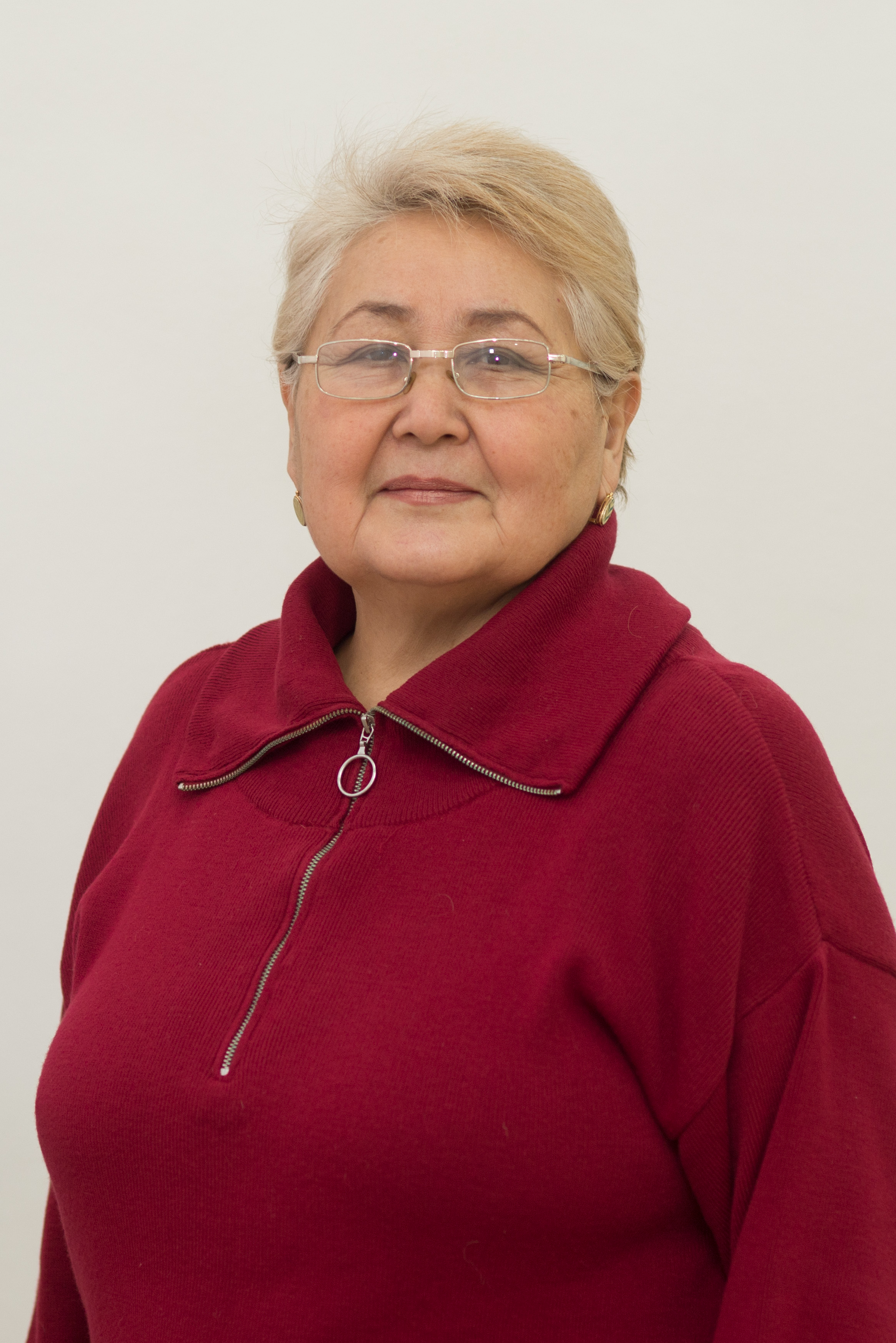
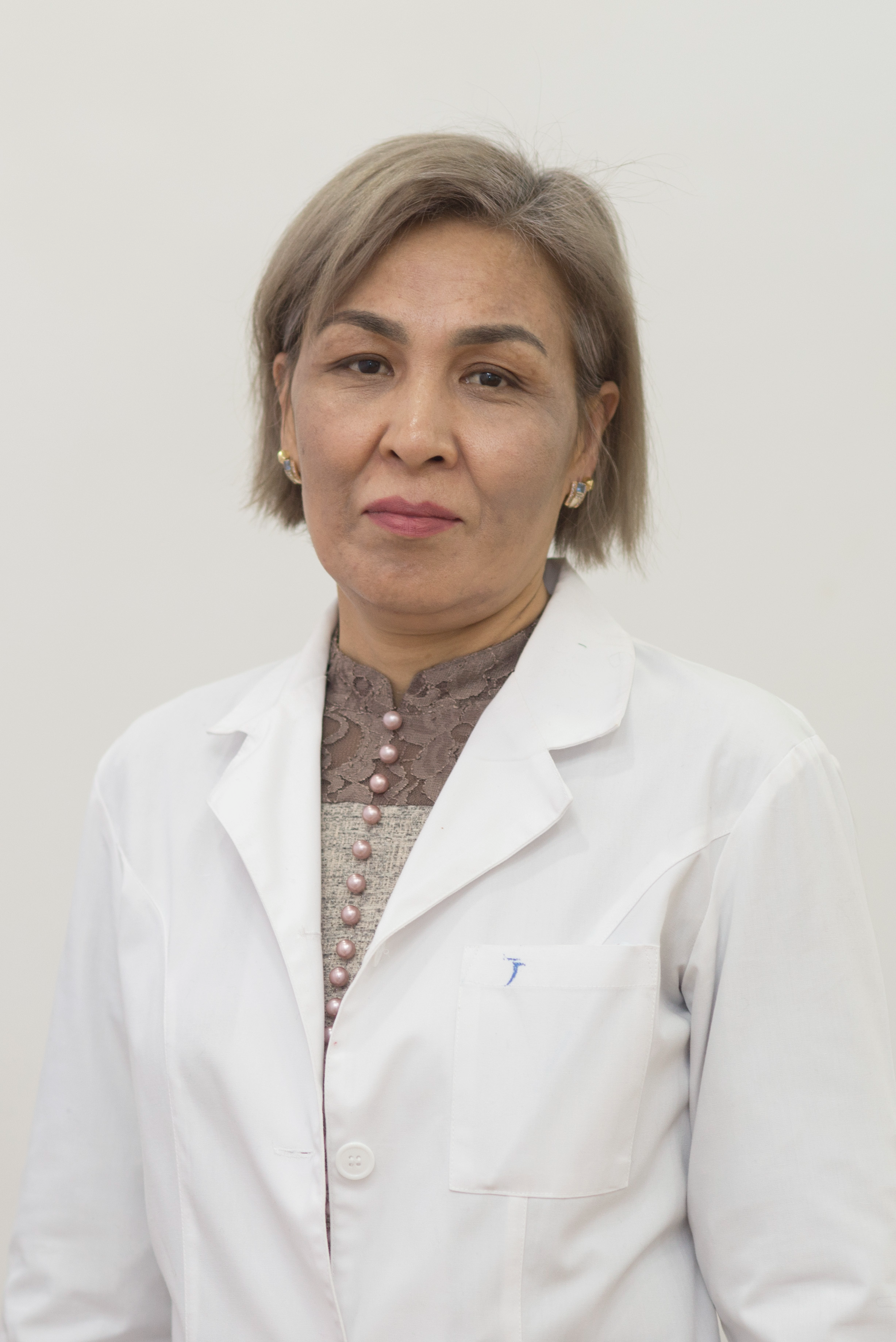
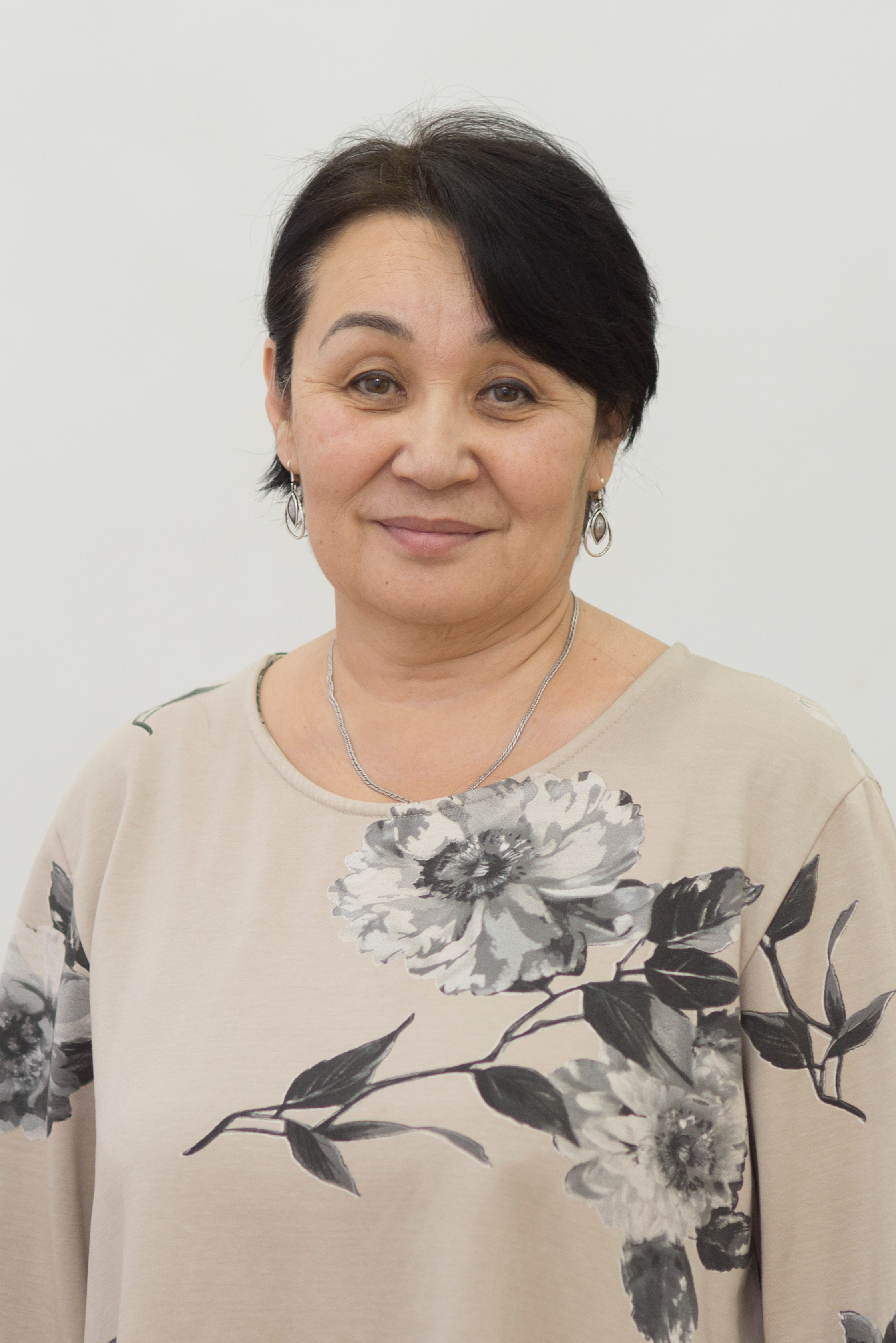
Scientific degree: Doctor of Medical Sciences
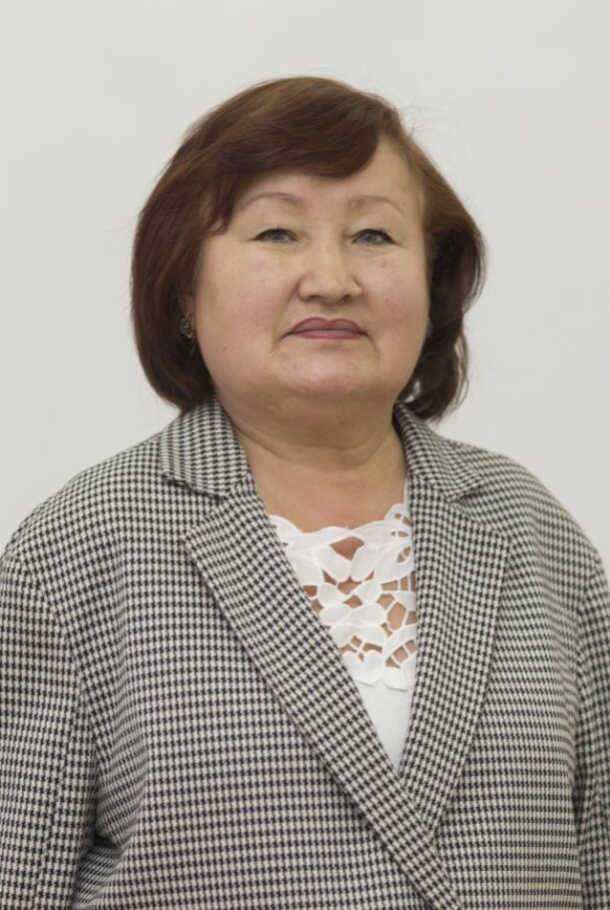
Academic degree: Candidate of Chemical Sciences
Academic title: Teacher
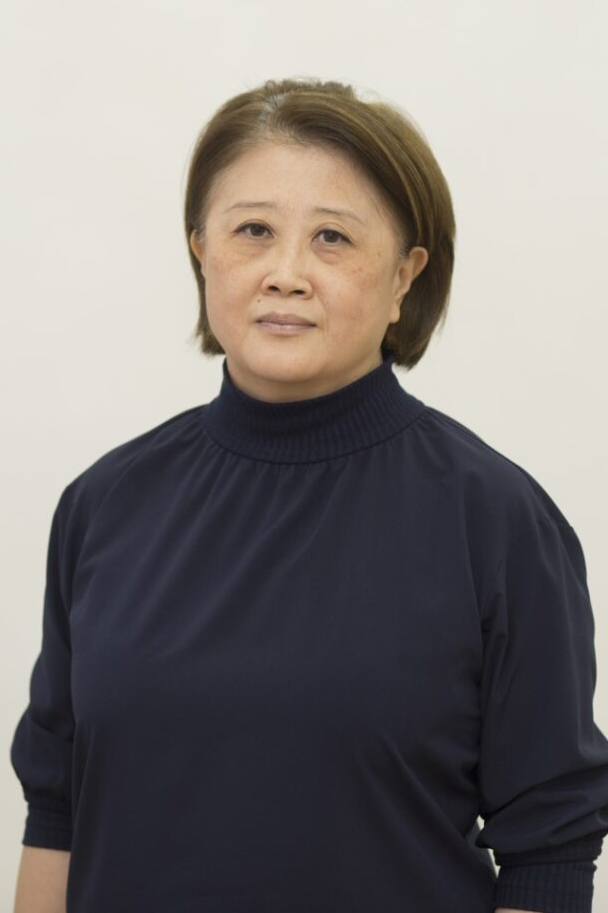
Academic degree: Candidate of Medical Sciences
Academic title: Teacher
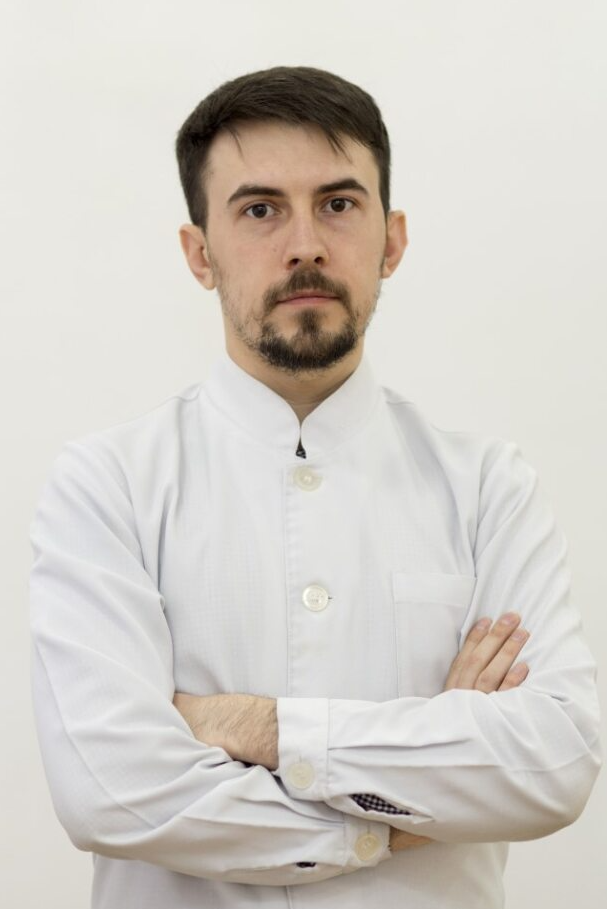
Academic degree: Master of Medicine Degree
Academic title: Teacher
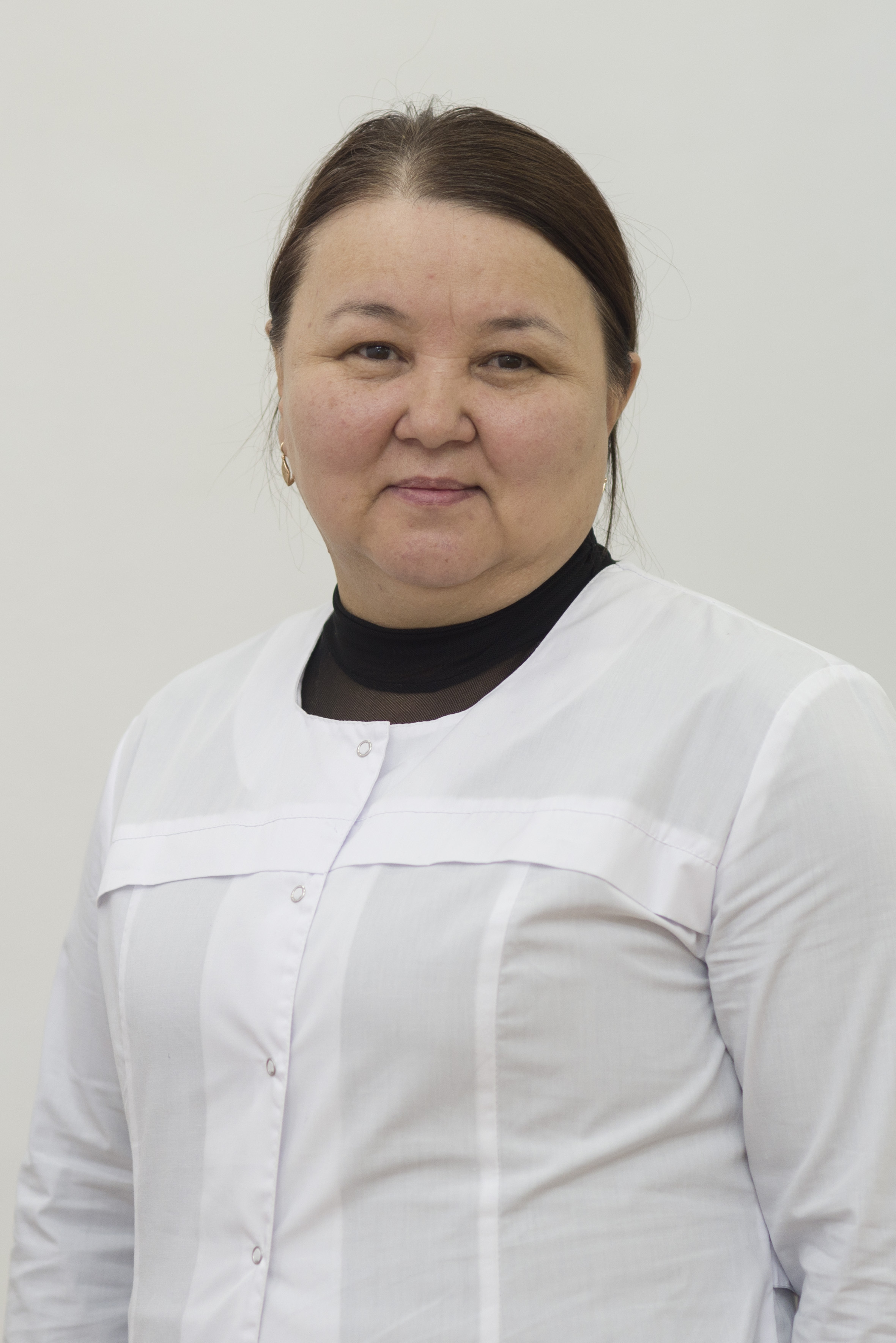
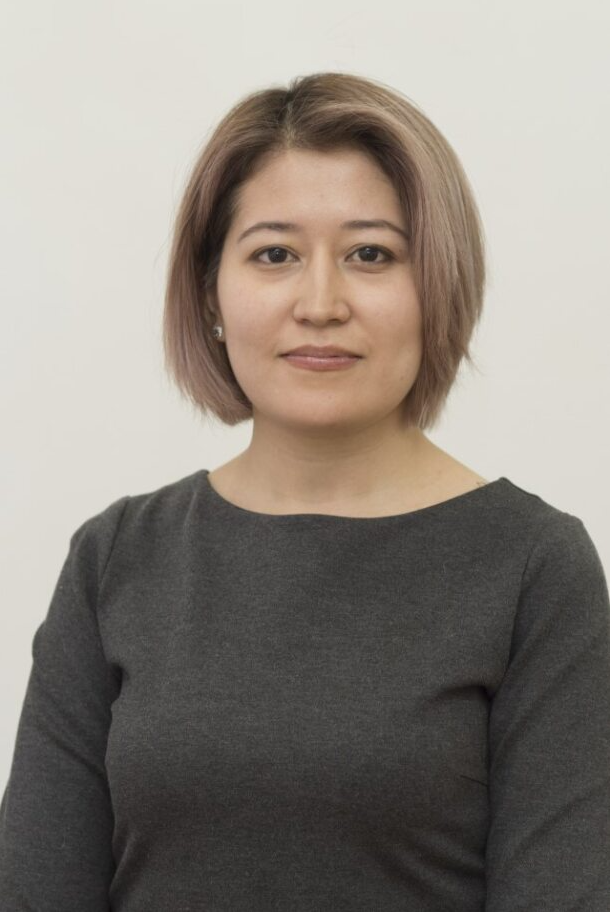
Scientific degree: PhD
Academic title: Teacher
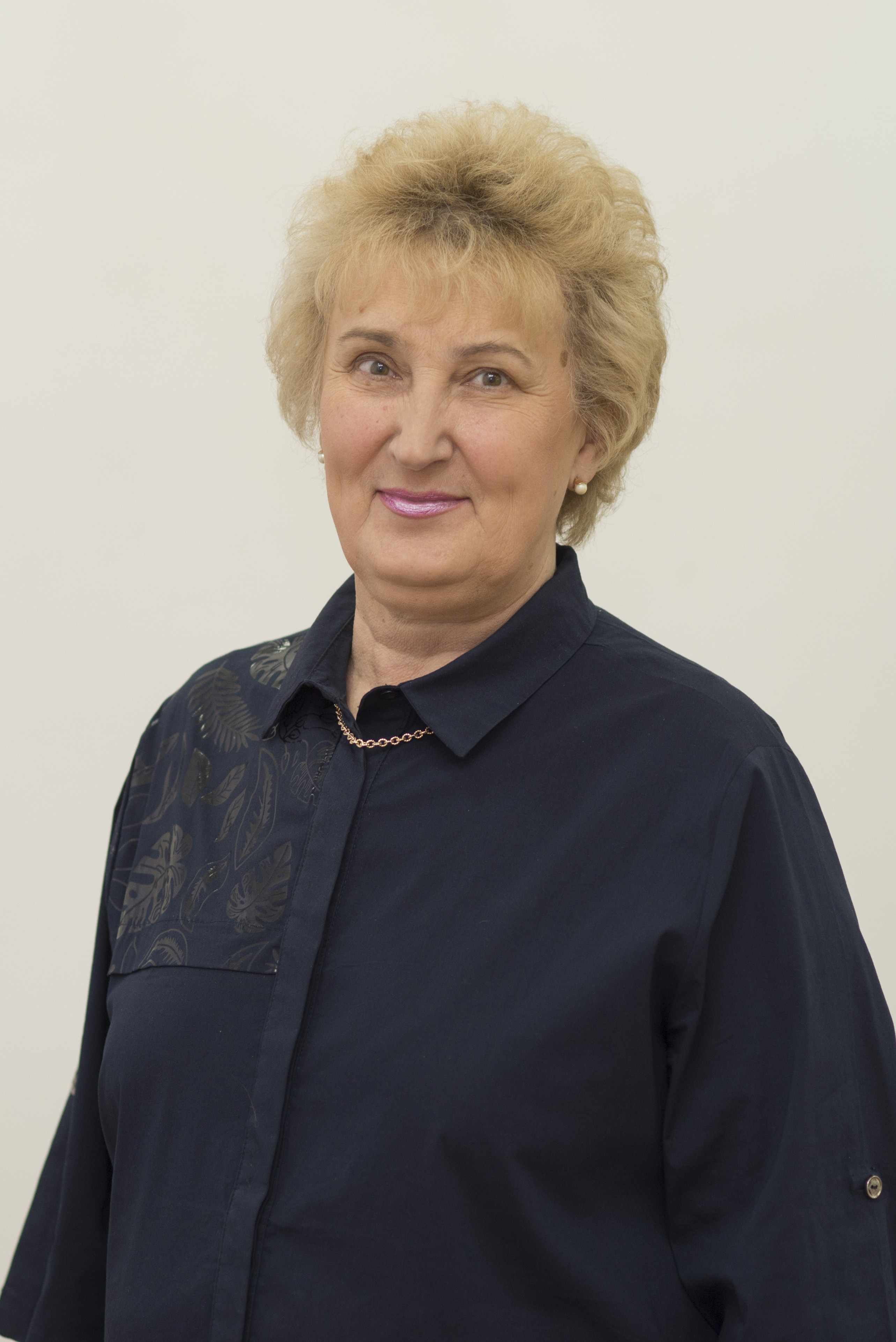
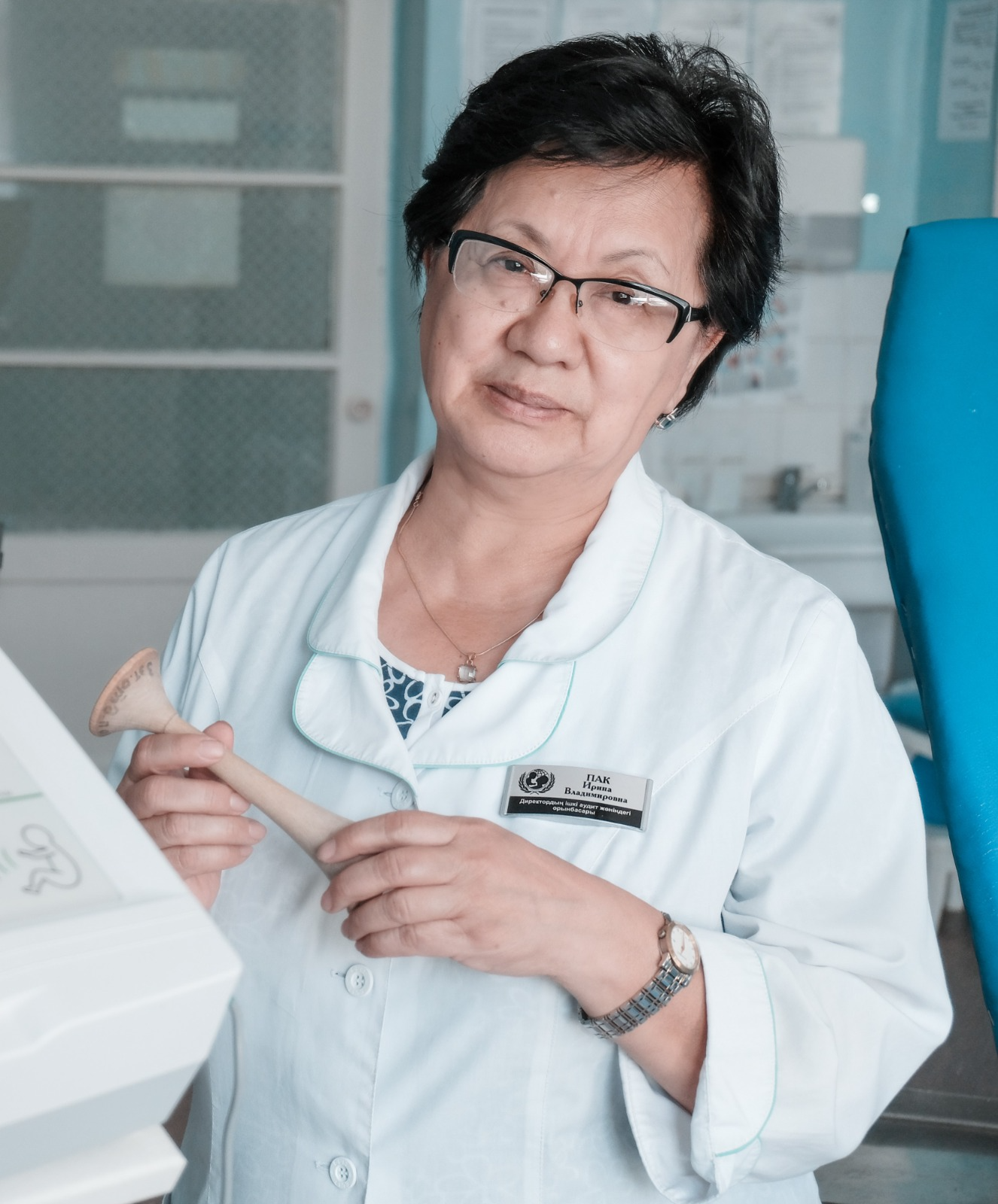
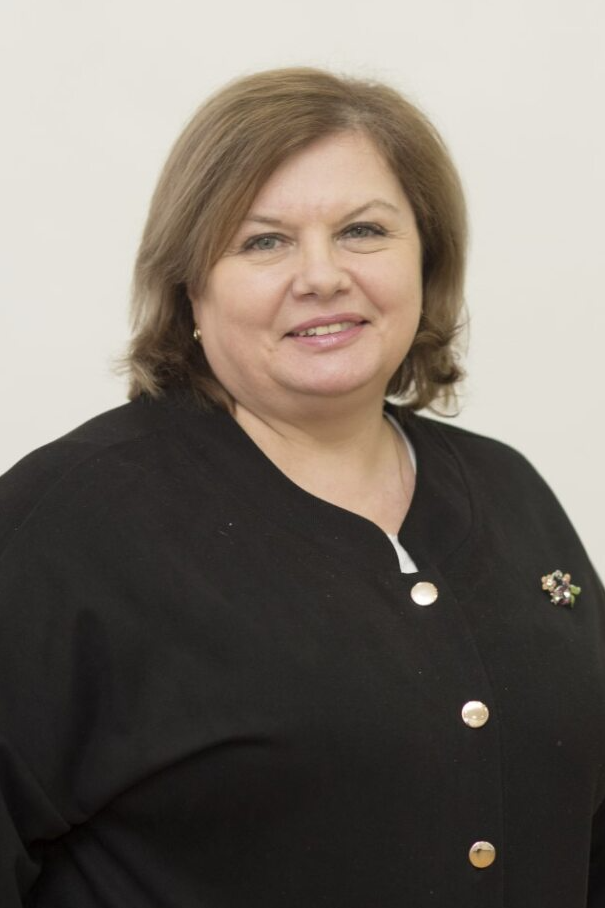
Academic degree: Candidate of Medical Sciences
Academic title: Teacher

Scientific degree: Master's degree in Pharmacy
Academic title: Teacher
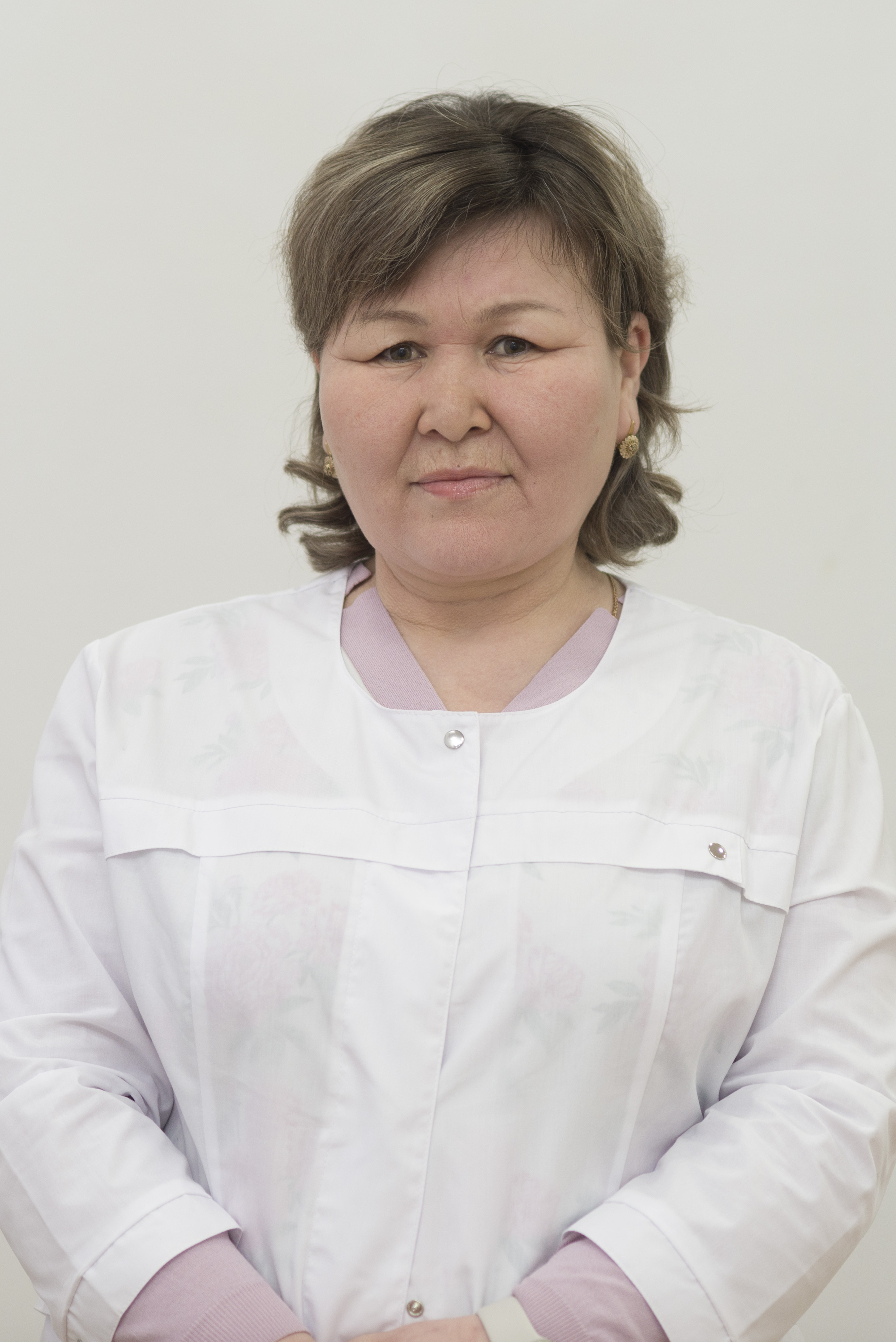
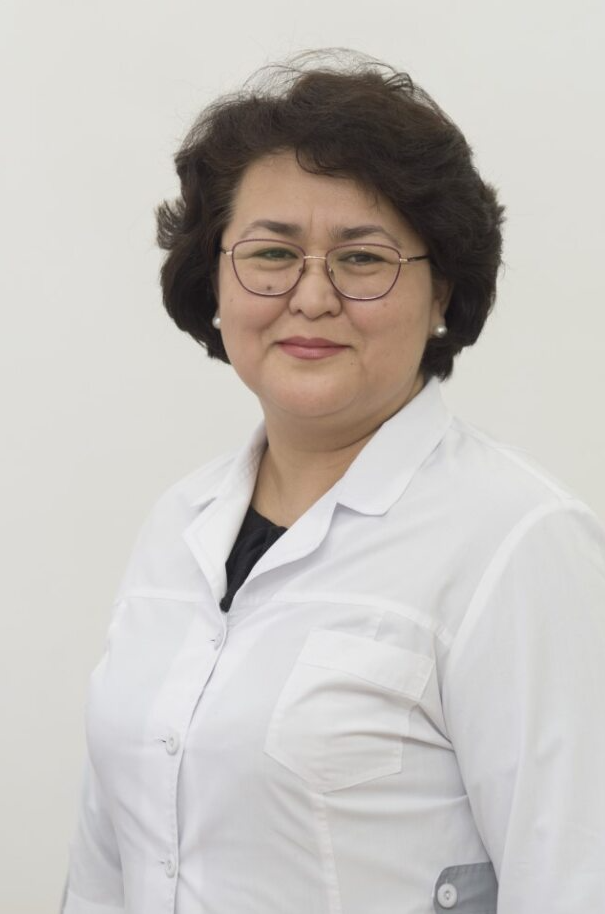
Academic degree: Master of Public Health
Academic title: Teacher
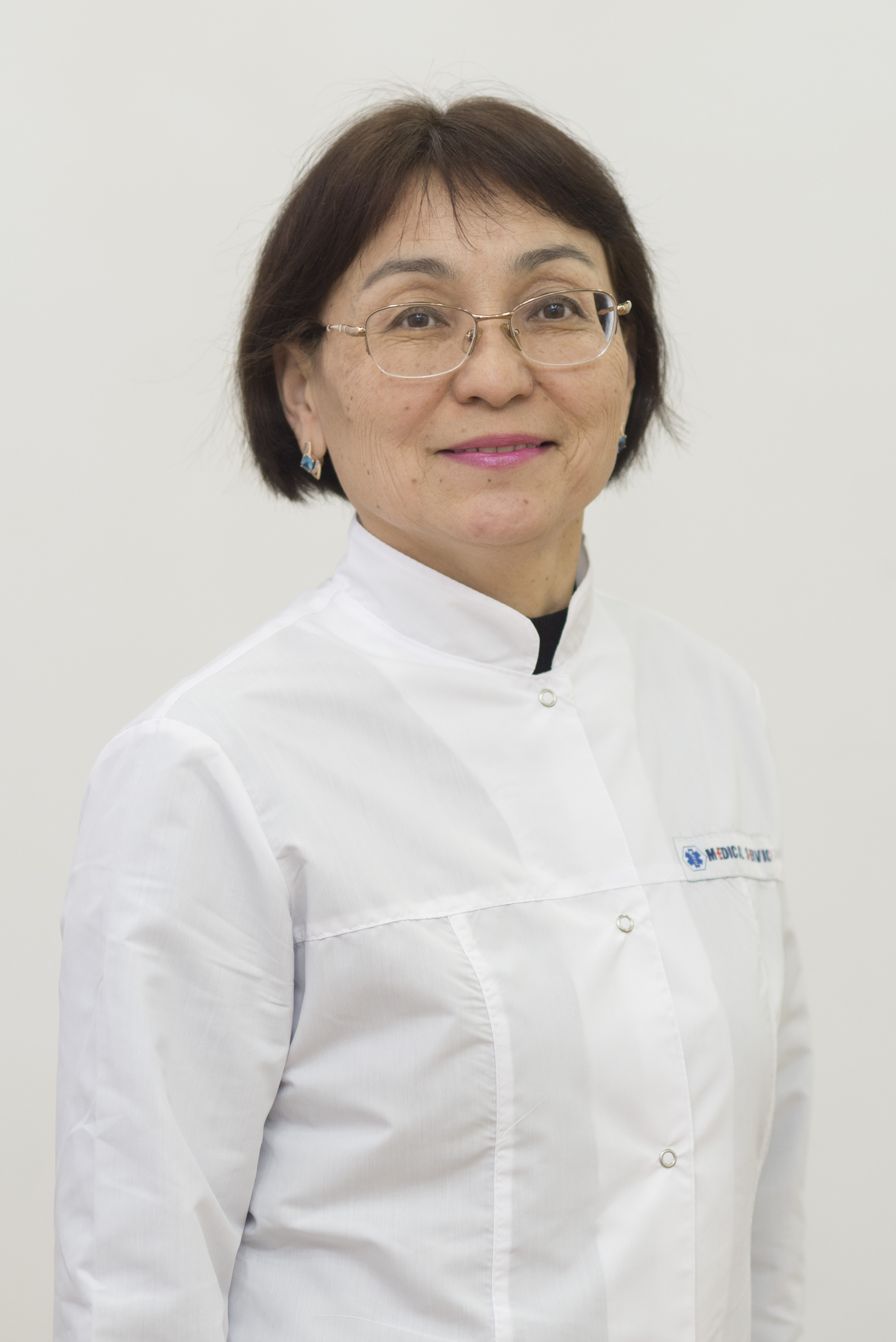
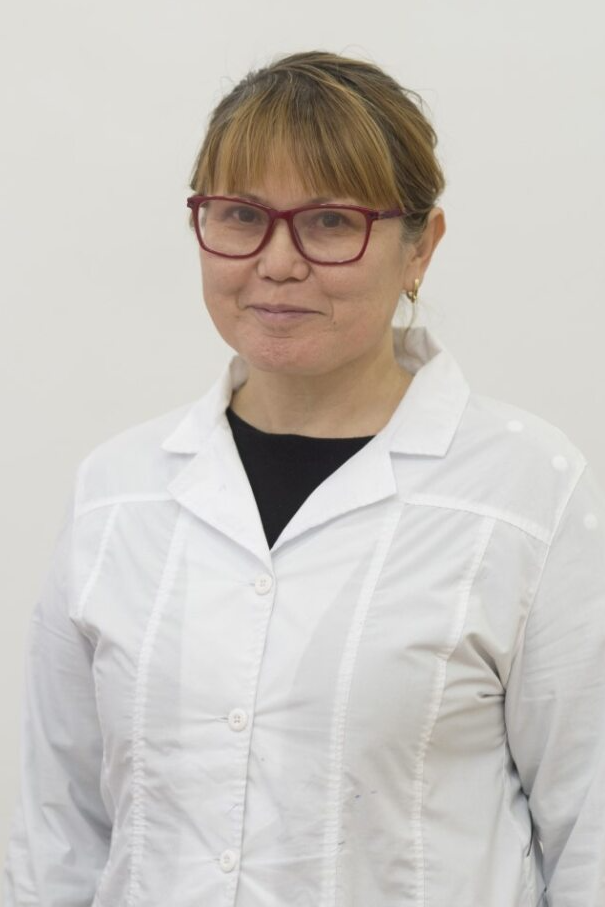
Academic degree: Candidate of Medical Sciences
Academic title: Teacher
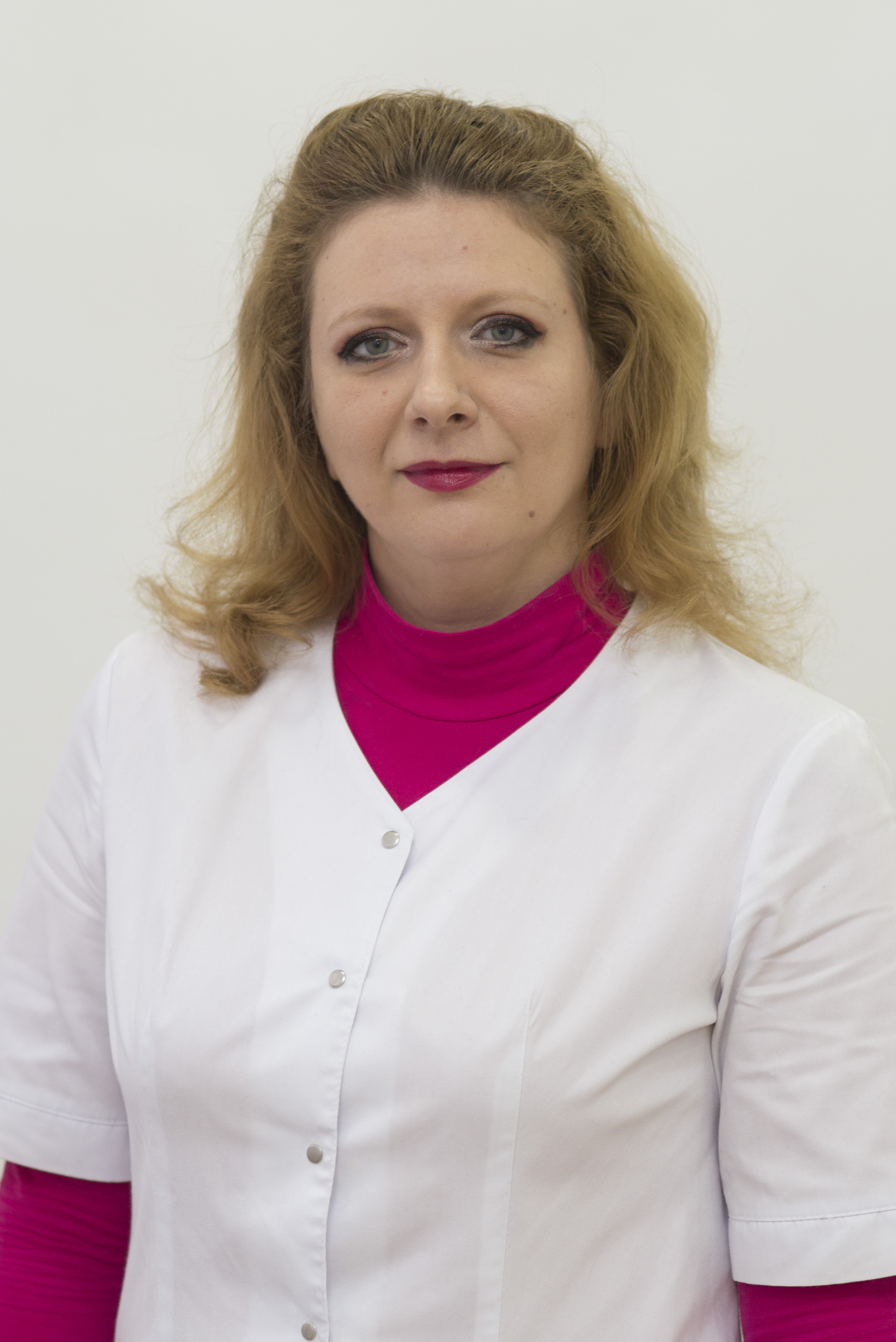
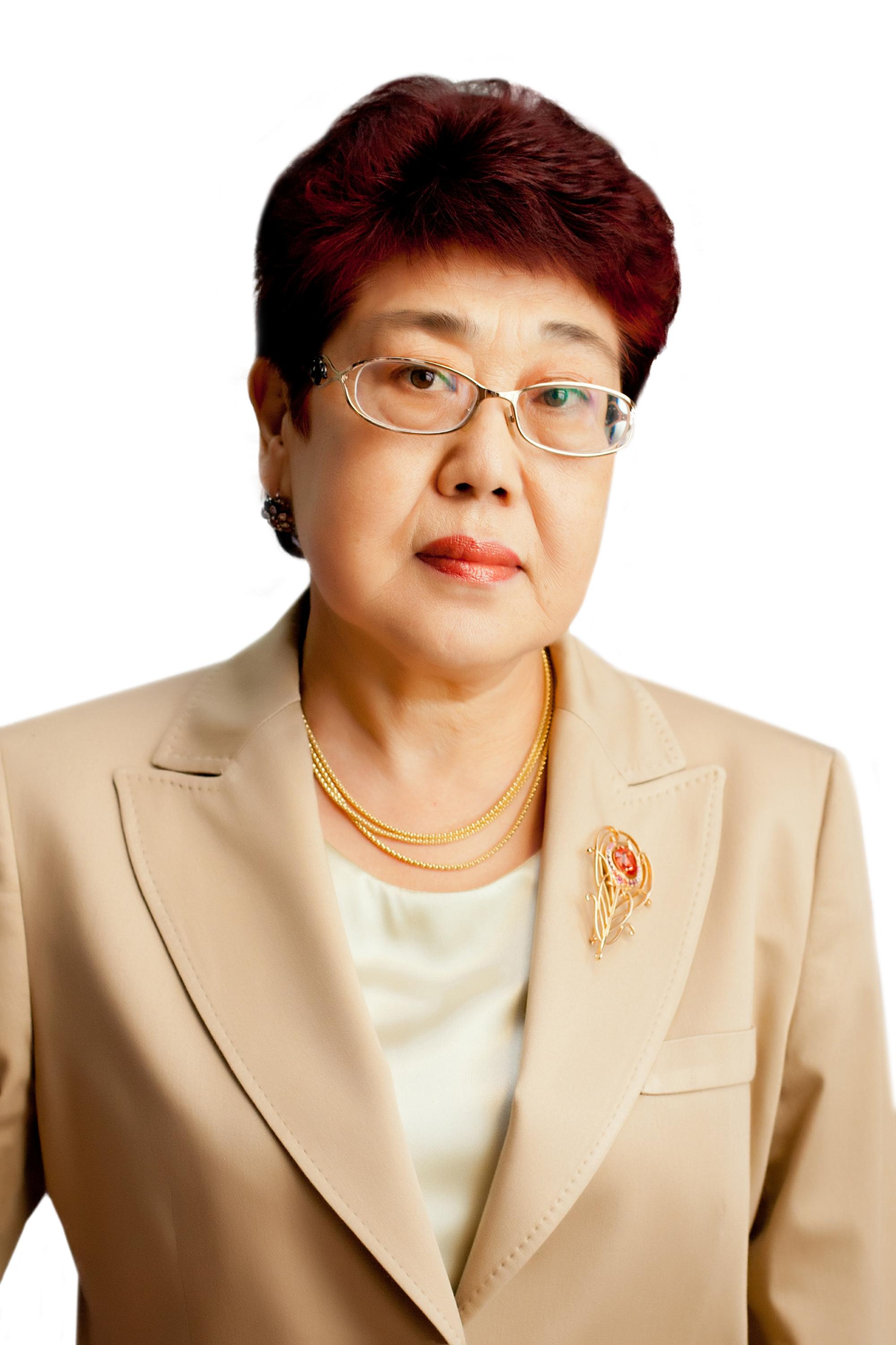
Scientific degree: Doctor of Medical Sciences
Position: Teacher
History of the Department
- 1988 - the course of clinical pharmacology was established based on the department of anesthesiology and resuscitation.
- 2009 - the course of clinical pharmacology and pharmacotherapy was transformed into the department of clinical pharmacology and evidence-based medicine.
- 2018 - unification of the departments of general and clinical pharmacology.