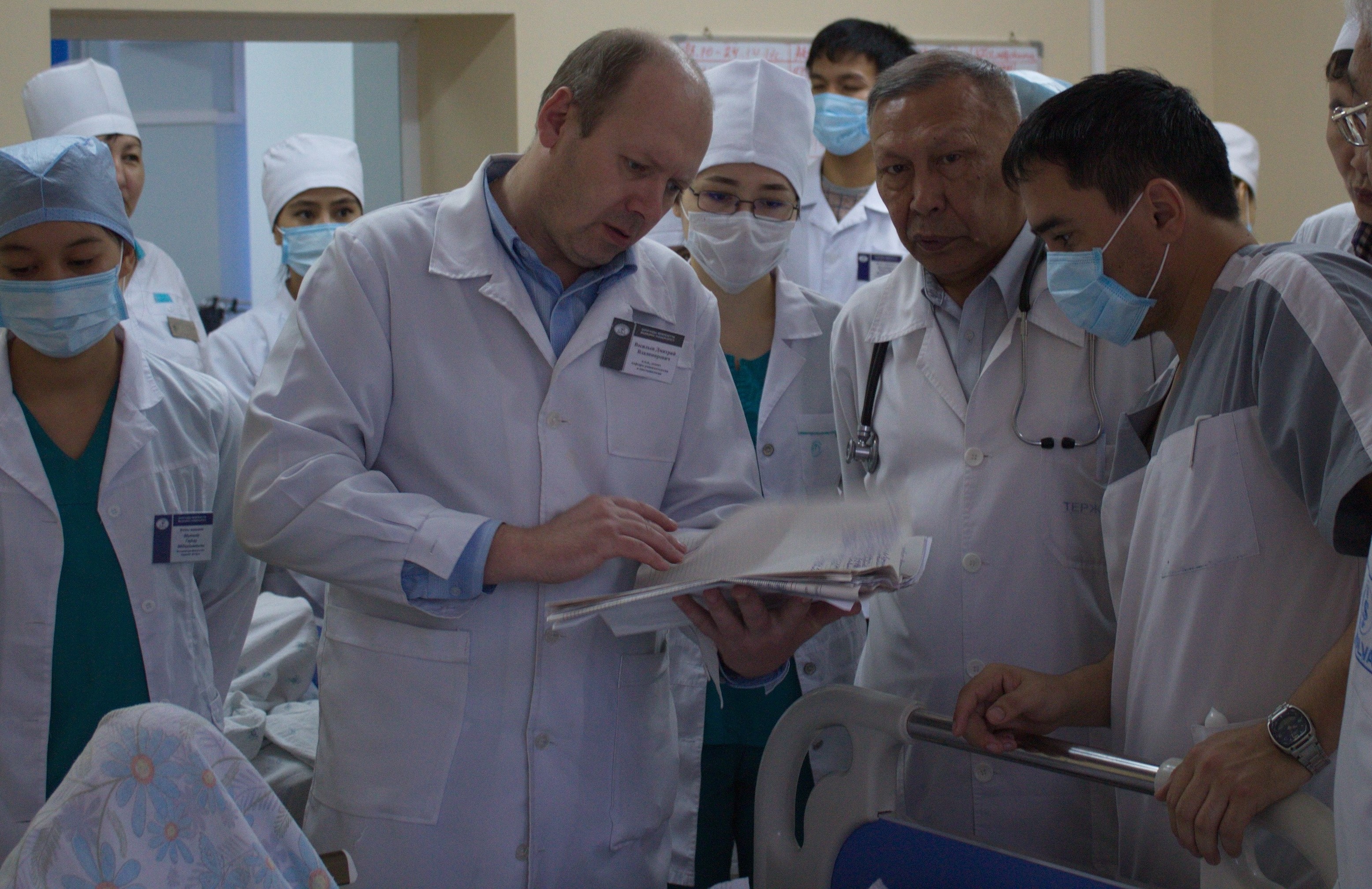
Department emergency medicine, anesthesiology and resuscitation
 +7 7212 503930, внутр. 1478
The department consists of employees with the highest and first qualification categories in the specialties "Adult Anesthesiology and Resuscitation", "Pediatric Anesthesiology and Resuscitation", and "Emergency and Urgent Medical Care". The main clinical base of the department is the Clinic of Karaganda Medical University.
The department conducts expert evaluation of the call records of emergency medical teams, and independent expert evaluations regarding the quality of medical care provided.
Throughout the entire undergraduate educational trajectory, training methods are implemented based on methodological recommendations developed by the department’s staff for students, interns, residents, and doctors in the Simulation and Educational Technologies Center for clinical skills training.
The department’s faculty consists of 17 staff members.
Science
The main directions of the department's scientific activities are related to the study of multiple organ failure and the development of septic processes in resuscitation patients due to the translocation of intestinal microflora into the systemic bloodstream as a result of intestinal wall damage, with the identification of biomarkers of this complication. The research topics are formulated into grant-based scientific projects.
The results of the completed part of the research have been published in peer-reviewed journals indexed in the Scopus and Web of Science databases (https://pubmed.ncbi.nlm.nih.gov/36764959/; https://pubmed.ncbi.nlm.nih.gov/37652762/; https://pubmed.ncbi.nlm.nih.gov/37113895/).
The department also has a student scientific club, which includes 1st, 2nd, and 3rd-year residents specializing in "Adult and Pediatric Anesthesiology and Resuscitation." At the monthly meetings, relevant issues of anesthesiology and intensive care based on evidence-based medicine are discussed.
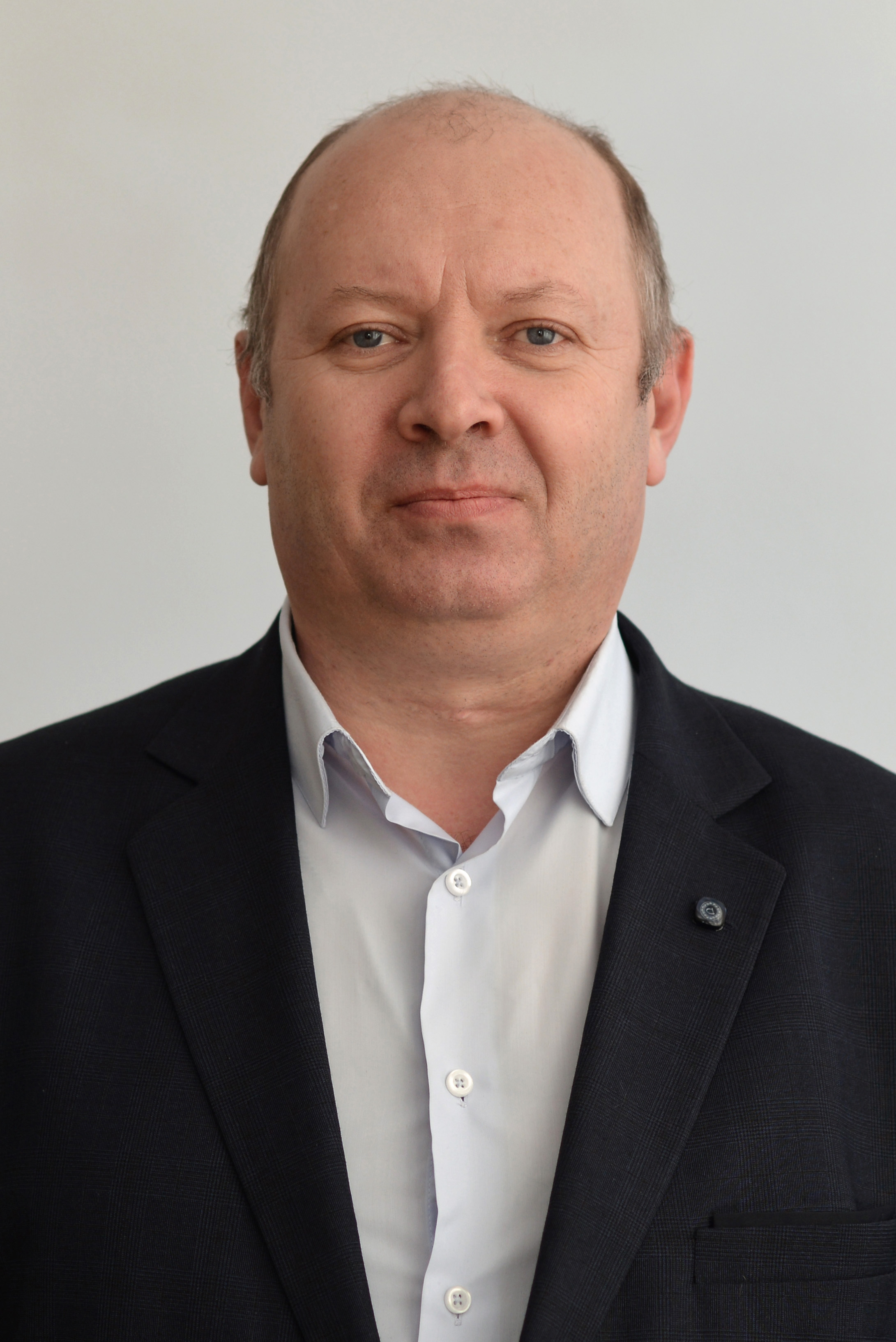
Chairperson - Associate Professor PhD Mugazov M.M.
Education
The department provides education in undergraduate and internship programs, with practical sessions for 5th-year students and 6th- and 7th-year interns.
The main focus of educational activities in undergraduate and internship programs is training in emergency medical skills at both pre-hospital and hospital stages, as sequential levels of the treatment process in various critical conditions. Students and interns reinforce and further develop their clinical skills and emergency care techniques during independent work under the supervision of clinical mentors, often while accompanying emergency medical service teams on field visits.
Throughout the entire trajectory of undergraduate education, the educational process incorporates teaching methods based on the guidelines developed by the department staff (Abisheva B.I. et al., 2021, 2022, 2023) for students, interns, residents, and doctors to learn clinical skills in the simulation and educational technology center (using clinical cases). Copyright certificates have been obtained for these methodological guidelines.
Postgraduate education of university graduates continues through the implementation of residency programs at the department in specialties such as "Adult and Pediatric Anesthesiology and Resuscitation" and "Adult and Pediatric Emergency Medicine."
The primary focus in residency education is the development of clinical thinking in future specialists and expanding the scope of independent emergency medical care and intensive therapy for patients of various profiles.
Clinic
The department's faculty provides consultative and diagnostic assistance, oversees patients during shifts in anesthesiology and intensive care units, and participates in emergency medical service shifts. The department conducts reviews of emergency medical service call records, independent evaluations of the quality of medical care, and investigates fatal cases in the Karaganda region and across Kazakhstan. It also participates in the development of legal and regulatory documentation (Clinical Protocols of the Ministry of Health of the Republic of Kazakhstan, Standards for the Organization of Medical Care in the Republic of Kazakhstan).
As part of training in innovative technologies in anesthesiology and intensive care, foreign experts are invited to the department. Professor David Chiumello from the University of Milan (Italy) delivered a lecture series for anesthesiology residents, department staff, and practicing physicians.
The department's clinical bases, which collaborate with the department in training students and residents and in the medical work of department staff, include most hospitals in the city of Karaganda and the Karaganda region, as well as several stations of the Regional Emergency Medical Service.
Teachers
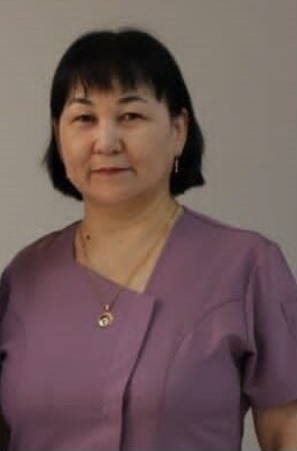
Academic degree: Assistant Professor
Academic title: Teacher
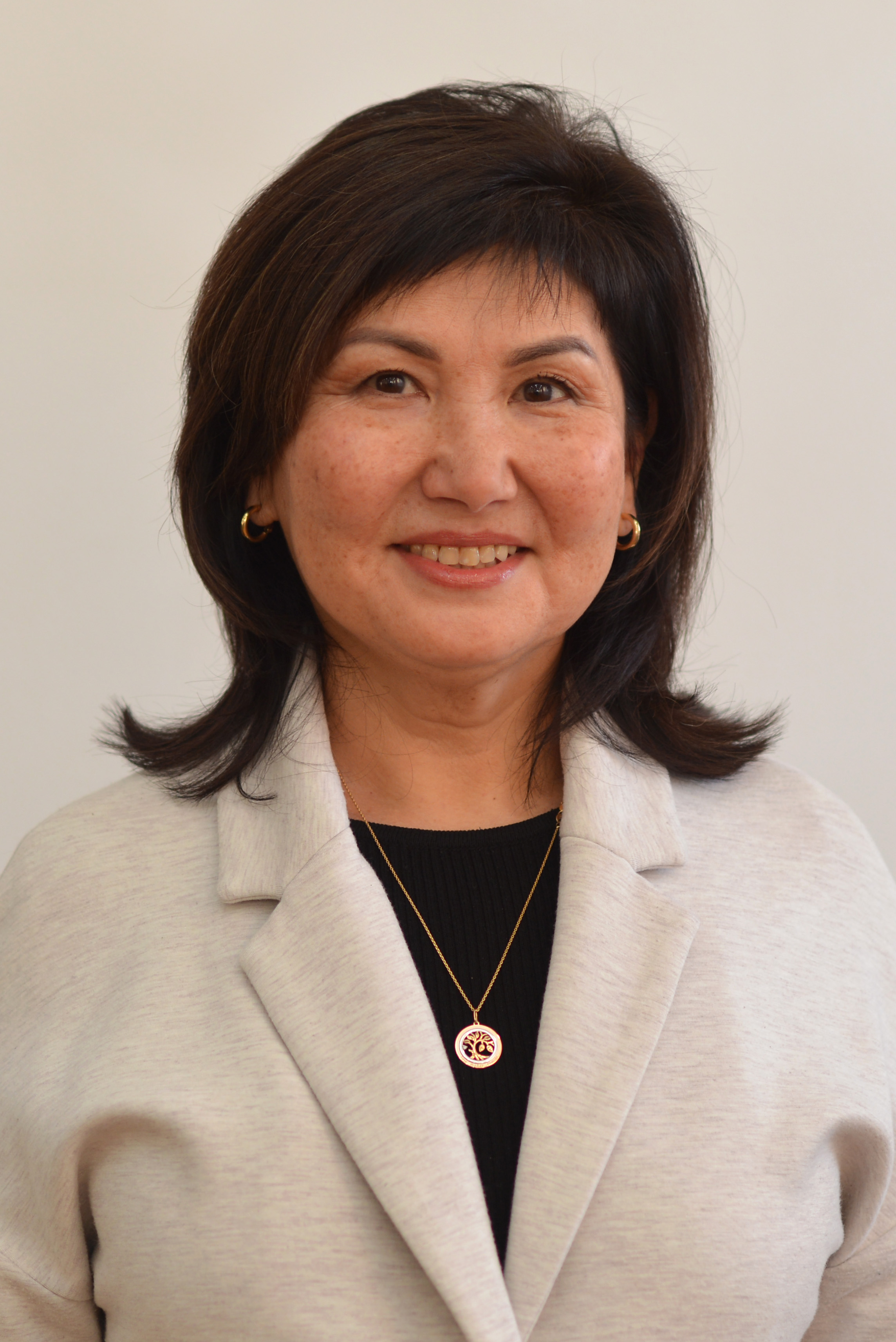

Academic degree: Candidate of Medical Sciences
Academic title: Teacher
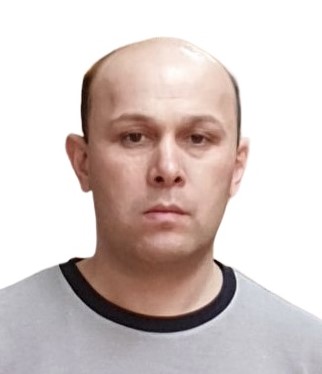
Scientific degree: PhD degree
Academic title: Teacher
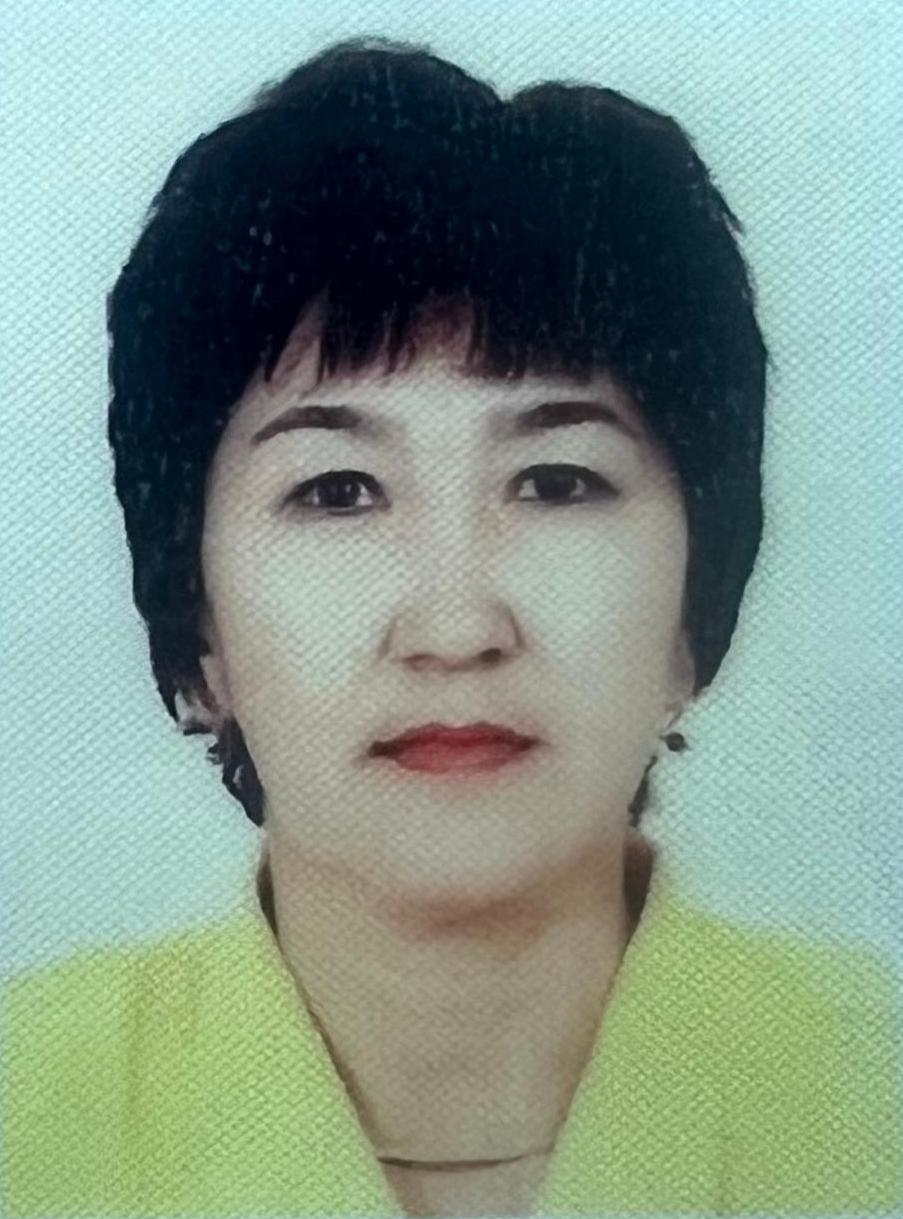
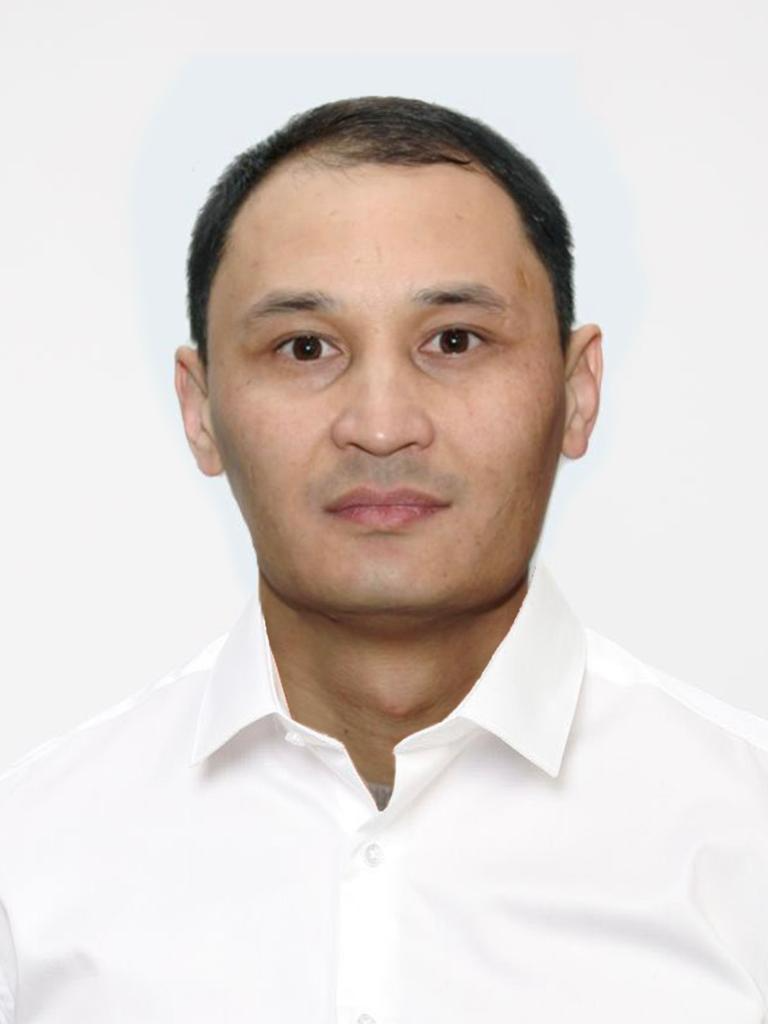


Academic degree: Candidate of Medical Sciences
Position: Teacher

Academic degree: Candidate of Medical Sciences
Academic title: Teacher


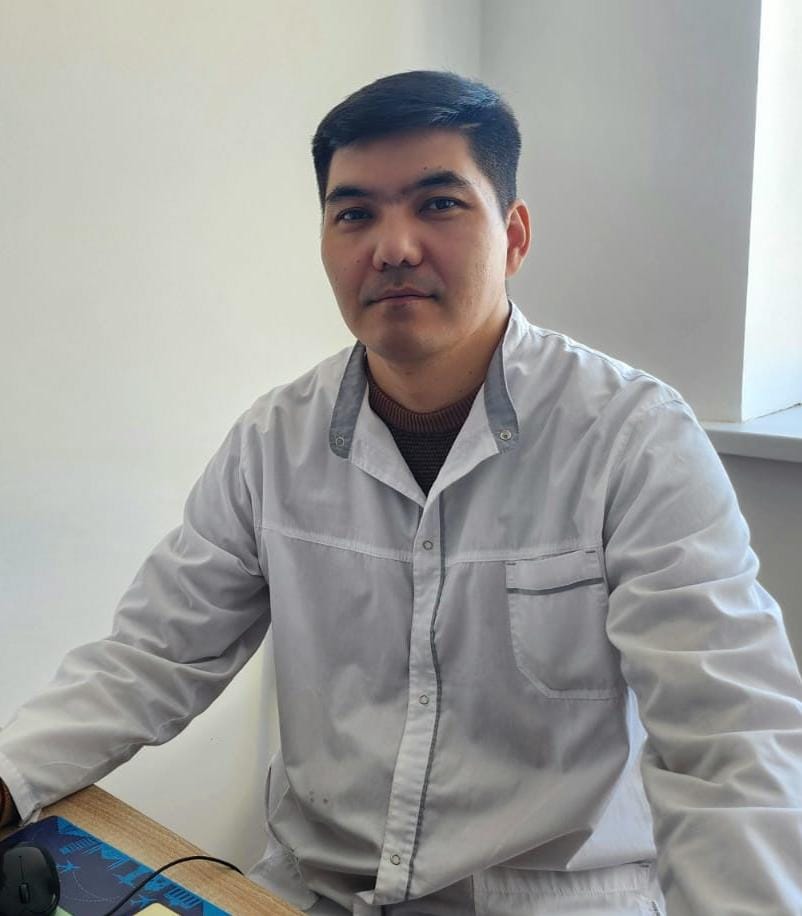
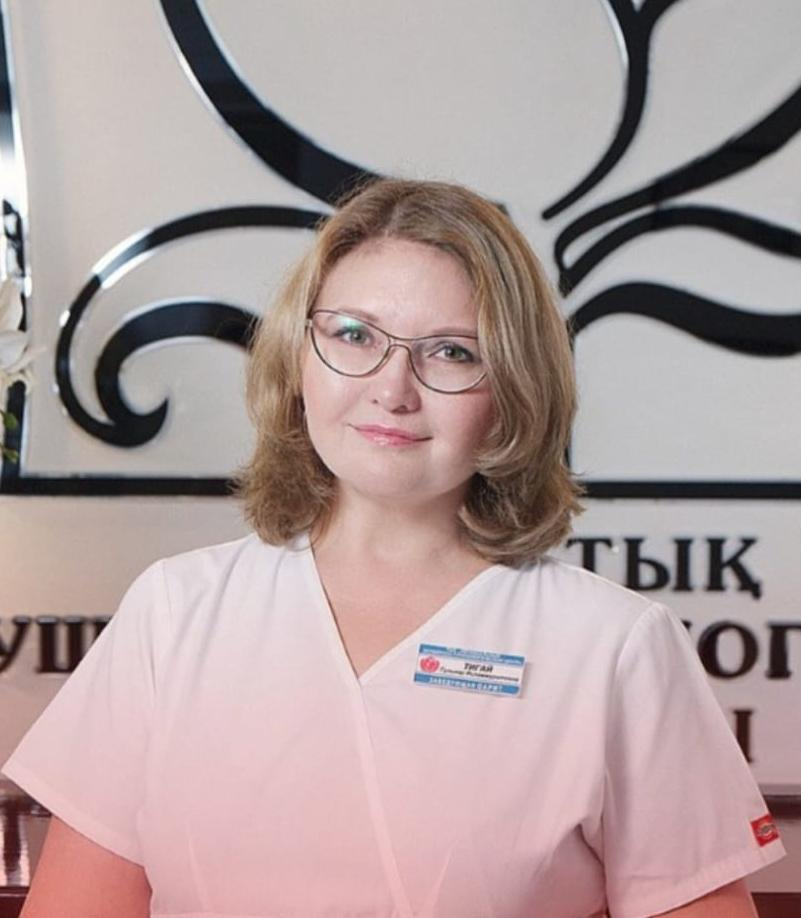
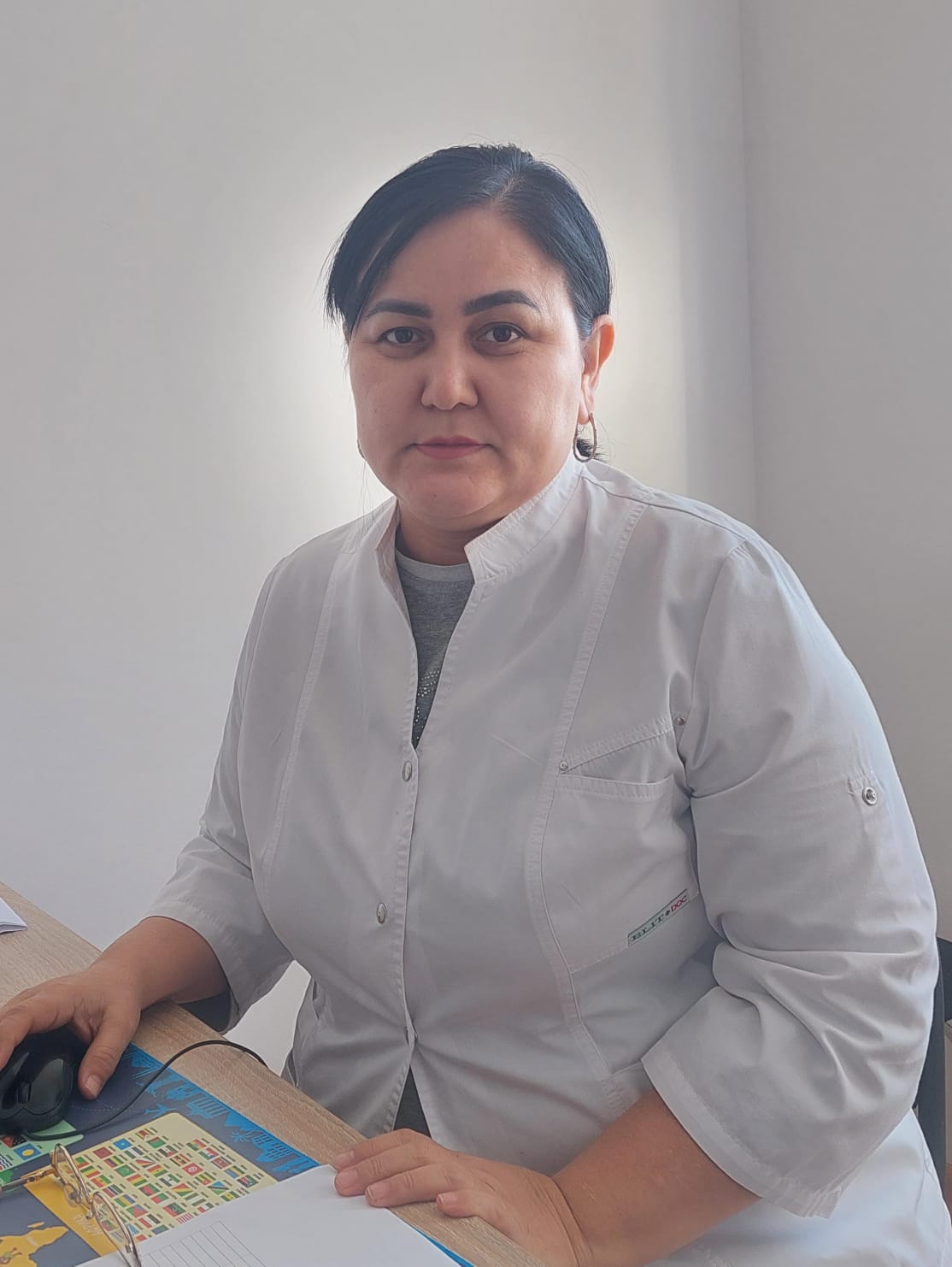
Scientific degree: Assistant Professor
Position: Teacher

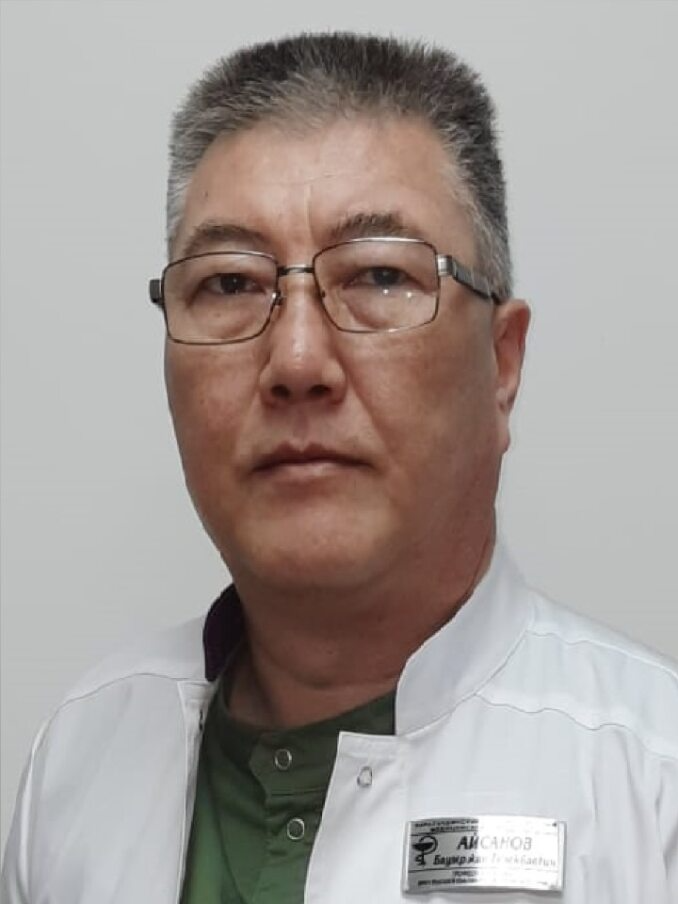
Academic degree: Candidate of Medical Sciences
Academic title: Teacher
History of the Department
- 2020 - The Department of Emergency Medical Services, Anesthesiology, and Intensive Care was established.